
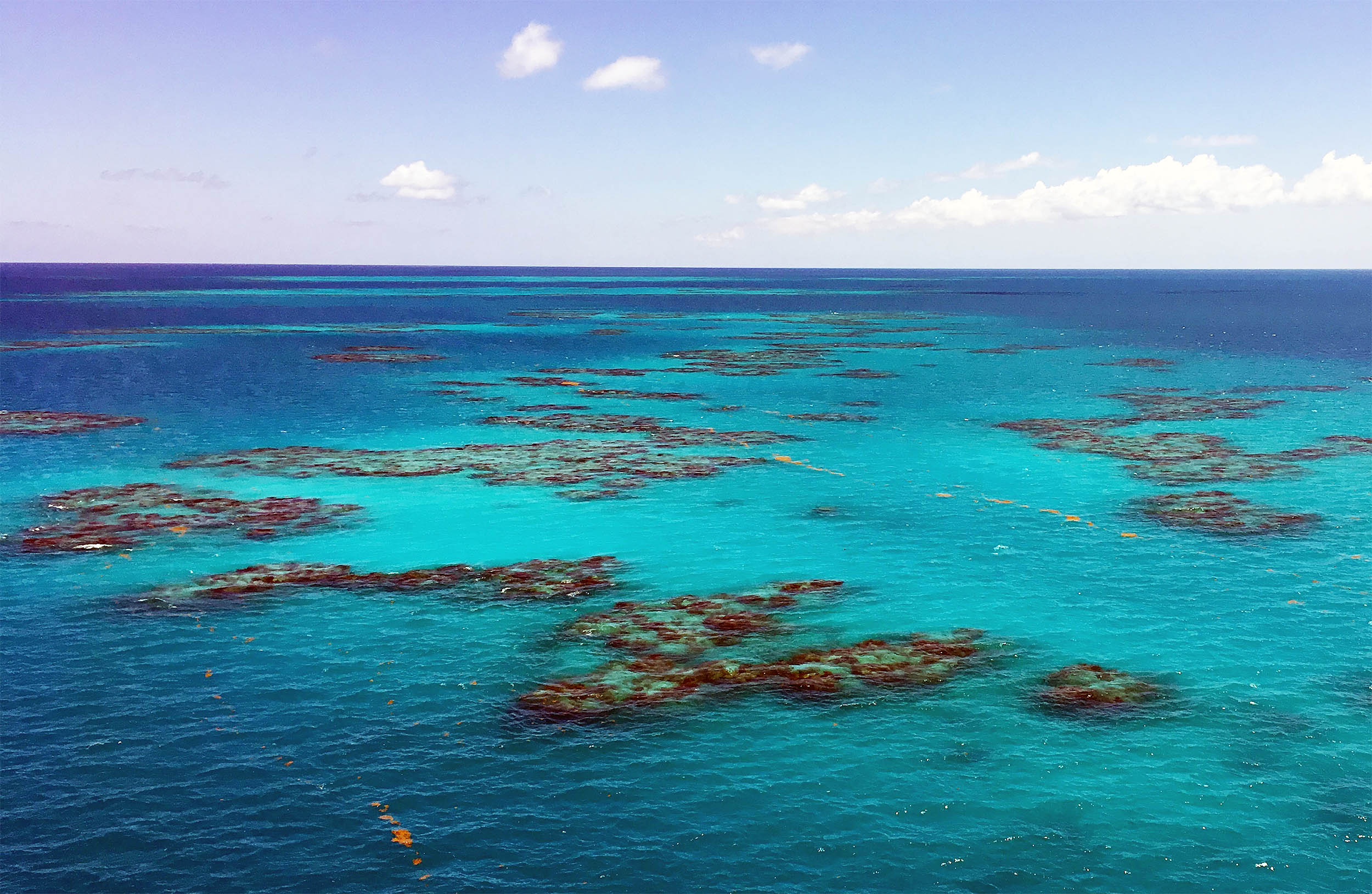
Sargasso Sea Faces Mounting Threats, New Research Highlights Critical Role in Global Climate
HAMILTON, BERMUDA - The Sargasso Sea, a unique oceanic region in the western North Atlantic and the only sea on Earth without land boundaries, is facing increasing pressures from climate change and human activity, according to a newly published study. Researchers warn that disruption to this vital ecosystem could have far-reaching consequences for marine life and global climate patterns.
The Sargasso Sea, famed for its floating Sargassum seaweed mats, provides critical habitat for a diverse range of species. Though, these mats are now posing challenges themselves, masking the calls of sperm whales and entangling juvenile turtles in discarded fishing nets. The study, published in Frontiers in Marine Science, underscores the seaS importance as a breeding ground for eels originating from rivers across North America and a key feeding area for migratory species like humpback whales.
Established in 2014, the Sargasso Sea Commission recognizes the region as a “haven of biodiversity” and is advocating for measures such as rerouting ships around dense Sargassum blooms and establishing marine protected areas. Governments are also engaged in negotiations for a treaty aimed at reducing plastic pollution and safeguarding crucial migratory routes that intersect with the Sargasso sea.
Beyond its ecological significance, the Sargasso Sea plays a significant role in regulating Earth’s climate. Alterations to the sea’s unique conditions could impact storm tracks over Europe and the Atlantic’s capacity to absorb excess heat. The study emphasizes that protecting this ”sea without shores” is crucial to mitigating increasingly unpredictable global changes.
