
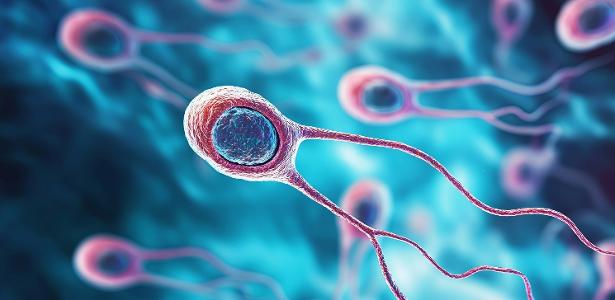
Sperm Quality: A Reflection of Men’s Overall Health
Recent discussions at the 40th Brazilian Urology Congress in florianópolis highlighted a growing understanding: sperm quality is a powerful indicator of a man’s overall health. For years, research heavily focused on female factors in infertility, but emerging evidence reveals a strong link between lifestyle and sperm health.
historically,infertility issues were considered to originate with the woman in roughly 50% of cases,and with the man in the other half. The emphasis on female fertility stemmed from the known decline in both the quantity and quality of a woman’s eggs with age. As Professor Pasqualotto explained, a female embryo begins with 6 to 7 million follicles in the ovaries, which develop into eggs, but this number dwindles to just 1 million at birth, demonstrating a natural decline over a woman’s lifetime.
In contrast, sperm production, a 74-day process occurring within the testicles, was long believed to be unaffected by age. Sperm mature as they travel through coiled tubes, and this production continues consistently from adolescence onward, resulting in a completely new supply of sperm approximately every three months.
“With this continuous renewal, we previously thought sperm wouldn’t be susceptible to age-related issues,” stated a urologist from Rio Grande do Sul. However, current research demonstrates that sperm quality is vulnerable to a range of external factors, including pollution, radiation exposure, infections, alcohol consumption, smoking, drug use, high cholesterol, and obesity. This shift in understanding underscores the importance of men proactively addressing their health to optimize reproductive potential and overall well-being.
