
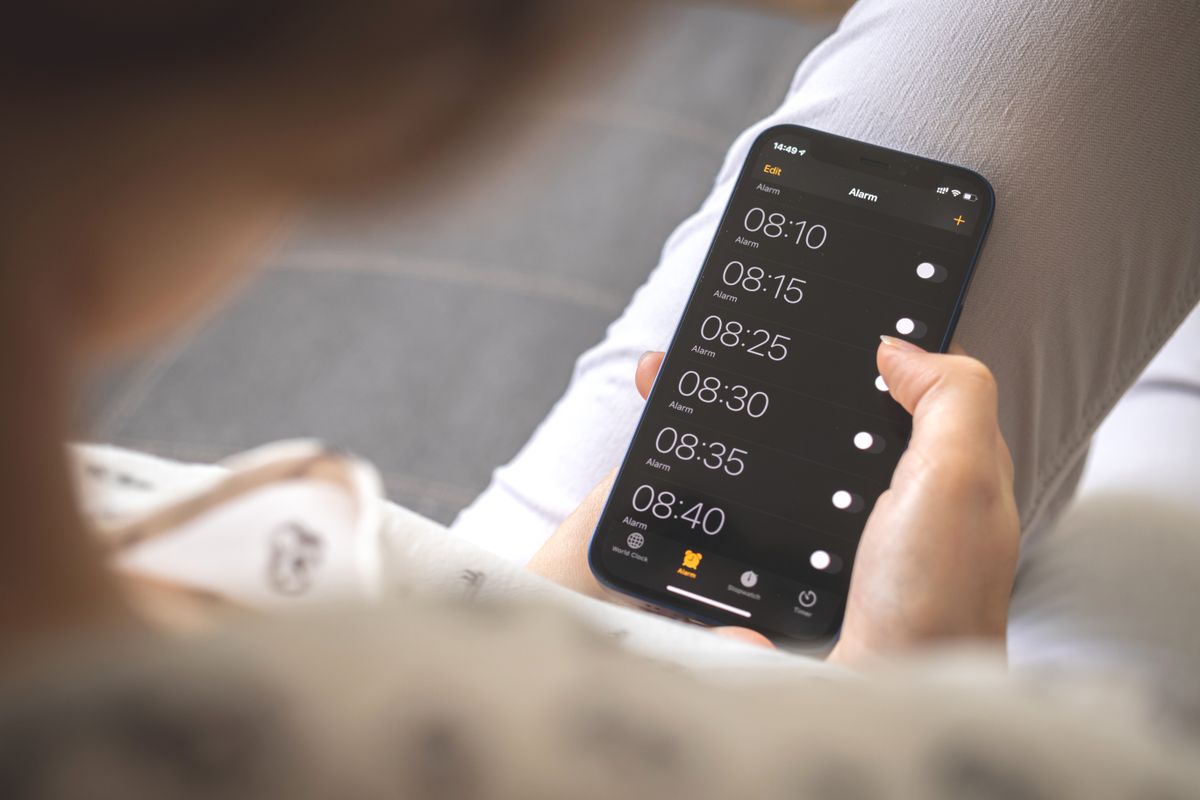
Snoozing Yoru Alarm isn’t a Gentle Wake-Up – it’s a Series of Micro-Panic Attacks,Experts Warn
New research reveals that repeatedly hitting the snooze button doesn’t offer restorative rest,but instead triggers a cascade of stress hormones and neurological delays that can negatively impact your entire day. What seems like a harmless extension of sleep is, according to sleep scientists, a disruptive practice that undermines alertness and even poses a risk to cardiovascular health. Millions rely on the snooze function daily, unaware they’re initiating a cycle of physiological stress before their feet even hit the floor.
Sleep inertia, the groggy, disoriented feeling after waking, is significantly worsened by snoozing. Rather than easing into wakefulness, individuals are subjecting themselves to repeated shocks to the system, possibly hindering cognitive function for hours. This isn’t simply about feeling tired; it’s about a measurable impairment of neurological processes and a strain on the body’s stress response.
Experts describe sleep inertia as creating a “heavy, drunk and confused feeling” that can last up to four hours, initiating the day with a neurological delay.This isn’t a fleeting moment of sluggishness, but a prolonged period where the brain struggles to fully activate.
The problem extends beyond mental fogginess. Sleep researcher Matthew Walker likens the alarm clock’s jarring interruption - and subsequent snoozing – to a direct assault on the cardiovascular system. Each alarm triggers a release of stress hormones like cortisol and adrenaline, causing a spike in heart rate, mirroring the body’s “fight-or-flight” response.
Repeatedly activating this response within a short timeframe – as happens with multiple snoozes – isn’t a harmless habit. Rather,it’s a series of “micro-panic attacks” on the nervous system. Three snoozes within half an hour deliver three acute stress responses, setting a potentially damaging tone for the day.
Sleep medicine professionals offer a straightforward solution: eliminate the snooze button altogether. Set your alarm only for the actual time you need to rise. If you typically wake at 7:30 AM after a series of snoozes from a 7:00 AM alarm, simply set the alarm for 7:30 AM. The uninterrupted sleep, even if shorter, is demonstrably more restorative than fragmented, stress-induced rest.
For those struggling to resist the urge to snooze, a simple relocation of the alarm clock can be effective. Placing the device across the room forces a physical act of getting out of bed to deactivate it, diminishing the immediate temptation to fall back asleep. Experts suggest that after a few days, individuals will experience a noticeable betterment in alertness and overall well-being.
