
RFK Jr. Draws Criticism for Linking Autism to Circumcision and Tylenol Use
Robert F. Kennedy Jr. has faced backlash from autism scientists for citing studies suggesting links between autism and both circumcision and acetaminophen (Tylenol) use during pregnancy. Kennedy jr. made the claims during a recent appearance, referencing research that has been widely criticized for methodological flaws and misinterpretations.
One study cited by Kennedy Jr., published in Scientific American, examined data from a large health records database and found a correlation between circumcision and a slightly increased risk of autism spectrum disorder.However, experts immediately cautioned against drawing causal conclusions.
“It had a small sample size, limiting the power of its conclusions, and did not account for many Muslim circumcisions that are not done by doctors, which likely skewed the results,” said psychologist David S. Mandell of the Coalition of Autism Scientists in a statement to Scientific American. The study’s association between circumcision and autism was also found to be notable only for children aged 0 to 4, not 5 to 9, further raising doubts about the findings.
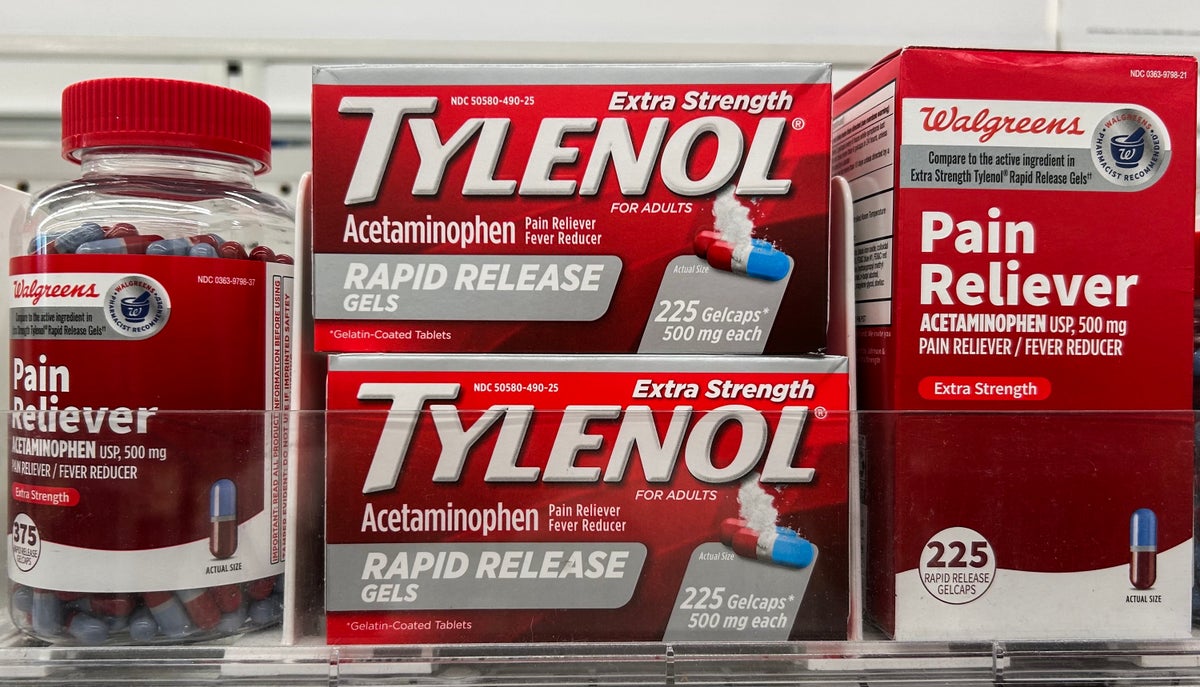
Kennedy Jr. also pointed to research exploring a potential link between acetaminophen use during pregnancy and autism. While some studies have indicated a possible association, the evidence remains inconclusive and requires further inquiry.
Experts emphasize that observational studies,like those cited,can only demonstrate correlation,not causation.”Relying on weak evidence like this to make claims about the causes of autism is ‘terribly alarming,'” stated Dr. Helen Tager-Flusberg,a leading autism researcher,adding that such claims are ”ultimately confusing and distressing to families.”
The controversy highlights the ongoing challenge of identifying the complex factors contributing to autism spectrum disorder, which is understood to be influenced by a combination of genetic and environmental factors. Scientists caution against focusing on single, unsubstantiated causes, particularly when it could lead to unnecessary anxiety and potentially harmful decisions for families.
