
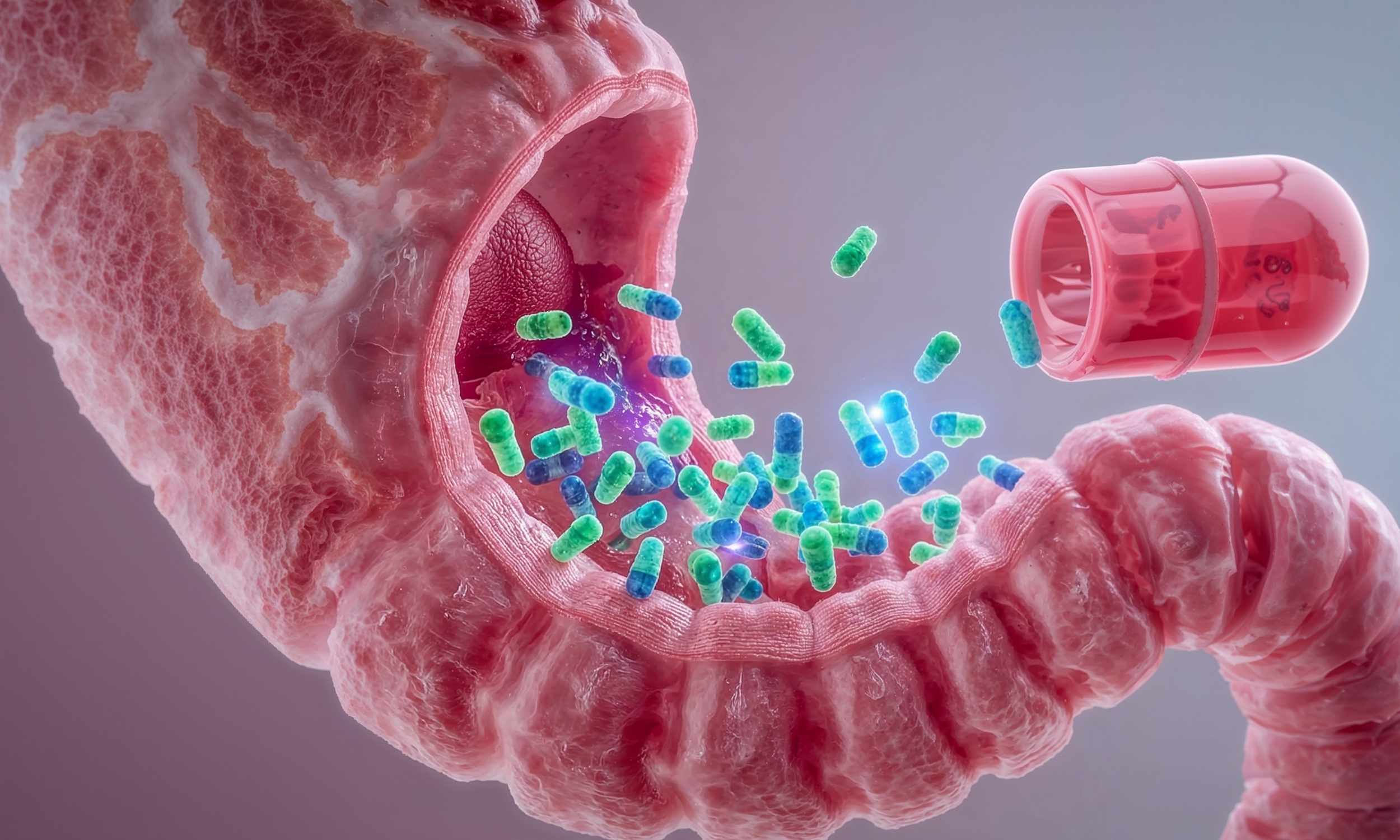
What Probiotics Can - and Can’t - Do For Your health
Probiotics, live microorganisms intended to benefit the host, are gaining attention for their potential impact on various aspects of health. While often associated with digestive wellness, research explores their effects on conditions ranging from cholesterol levels to upper respiratory infections. However,understanding the nuances of probiotic use – and potential risks – is crucial.
Heart health & Cholesterol
Studies investigating the impact of probiotics on heart health have yielded inconsistent results. Some trials have indicated a slight reduction in “bad” cholesterol, while others have shown no notable difference compared to a placebo. This suggests probiotics aren’t a guaranteed solution for improving cholesterol.
Combating Common colds
Probiotics may offer some protection against upper respiratory tract infections – the common cold, and infections of the nose, throat, and sinuses. An updated analysis of multiple trials revealed that individuals taking probiotics were less likely to experience at least one such infection. Moreover, episodes of these infections tended to be shorter in duration, though the strength of this effect varied depending on the specific probiotic strain and the population studied. These findings suggest a potential immune benefit, but probiotics should not be considered replacements for established preventative measures like vaccination, handwashing, and adequate rest.
Probiotics From Food vs. Supplements
Historically, people consumed probiotics through fermented foods like yogurt, kefir, kimchi, sauerkraut, miso, tempeh, and kombucha. These foods contribute both flavor and texture alongside beneficial bacteria and yeasts, fostering a more diverse gut microbiome. However, it’s significant to note that not all commercially available fermented products contain live cultures, as pasteurization and other processing methods can eliminate them. Consumers can increase the likelihood of consuming live organisms by checking labels for “live and active cultures” and ensuring products are refrigerated.
Beyond fermented foods, a diet rich in vegetables, fruits, whole grains, beans, nuts, and seeds is vital for nourishing the existing microbes in your gut. dietitians generally recommend prioritizing a varied, fiber-rich eating pattern before resorting to probiotic pills for everyday digestive support.
Supplement Safety & Considerations
Before starting a probiotic supplement,especially if you are a child,pregnant,or have a compromised immune system,consulting a healthcare professional is essential. In rare instances, critically ill individuals or those with central lines have developed serious infections from probiotic organisms.
Probiotic supplement labels typically indicate dosage in “colony forming units” (CFUs),representing the number of live microbes expected at the end of the product’s shelf life. Dosages commonly range from 1 to 10 billion CFUs per day, but the optimal amount varies depending on the specific strain and the intended health benefit.
Currently, the most prudent approach is to select a probiotic targeted to a specific health goal – such as alleviating a clearly defined symptom – and to maintain realistic expectations. open dialog with healthcare providers and prioritizing food-based sources are key to utilizing probiotics effectively and safely.
This article is based on information originally published by Earth.com.
