
Nutrition trends 2025: The Rise of the Functional & Plant-Forward Snack
The snack landscape is undergoing a critically important change, shifting from simple satiety to proactive health management. As we look towards 2025, key trends point towards a focus on nutrient density, plant-based options, and personalized nutrition, all while acknowledging a growing consumer desire for enjoyment alongside wellness.
From Satiety to “food as Medicine”
Consumers are increasingly seeking snacks that offer benefits beyond simply filling them up. This “Food as Medicine” trend is driving demand for ingredients known to support specific health functions. Fermented foods like kimchi,prized for their positive impact on gut health,are gaining traction,as are fiber-rich ingredients recognized for their anti-inflammatory properties. This represents a shift in viewpoint – snacks are evolving from an occasional indulgence to an active component of preventative healthcare.
Prioritizing Protein Intake
Meeting daily protein needs is a cornerstone of a healthy diet. the German Nutrition Society recommends adults consume 0.8 to 1 gram of protein per kilogram of body weight daily. Incorporating this into a snacking routine is achievable through convenient options like:
* Greek yogurt with berries: 150g provides approximately 15g of protein, alongside probiotic benefits.
* Grainy cream cheese with cucumber: 100g offers a low-calorie, refreshing protein source.
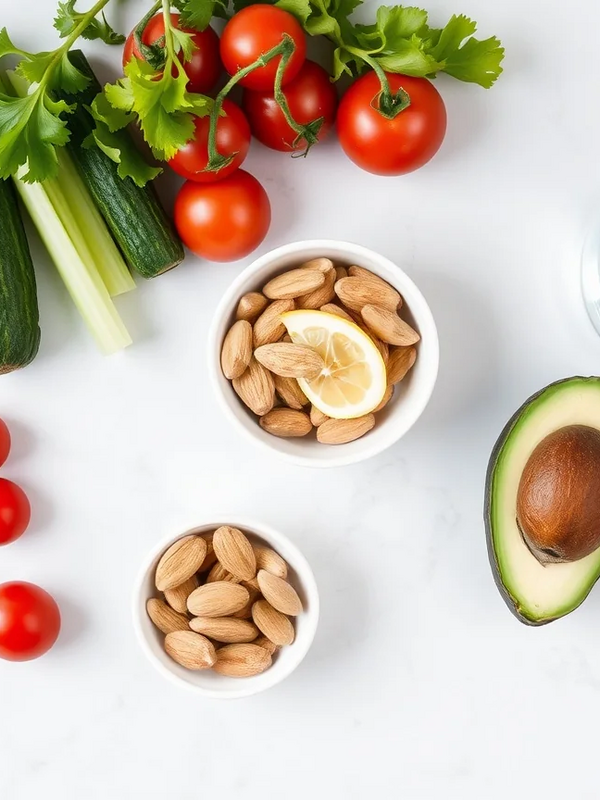
* Almonds: A handful delivers a combination of protein, healthy fats, and fiber.
Beyond these quick options, functional snack recipes can further boost protein intake:
* Vegetable sticks with hummus: Carrots, peppers, and cucumber paired with two tablespoons of hummus provide plant-based protein and fiber.
* Roasted Chickpeas: A simple oven-baked snack offering a satisfying crunch and protein boost.
* Edamame: One cup of steamed soybeans delivers around 18g of protein.
Plant-Based Power & Beyond Meat Substitutes
Plant-based nutrition is moving beyond the realm of restrictive diets. Instead of relying on artificial meat alternatives, the focus is shifting towards celebrating the inherent nutritional value of vegetables, fruits, and legumes. These plant-based snacks are naturally lower in calories while being rich in essential vitamins and phytochemicals. Examples include:
* Apple slices with peanut butter: One tablespoon of unsweetened peanut butter provides fiber, healthy fats, and protein.
* Zucchini chips: Baked until crispy, these offer a healthier alternative to traditional potato chips.
* Tomato and mozzarella skewers: Cherry tomatoes and mini mozzarella with basil provide a low-carbohydrate, flavorful snack.
Density Over Counting: A Shift in Mindset
Consumers are increasingly prioritizing the quality of their food over strict calorie counting. This trend is even being amplified by the growing awareness of natural nutritional approaches, potentially spurred by the rise of weight loss medications. The challenge for the food industry lies in making healthy,transparent products as affordable and accessible as less nutritious alternatives.
the Future is Personalized & Enduring
Technology is poised to play a crucial role in shaping the future of nutrition. Apps and wearable devices are enabling personalized dietary recommendations based on individual health data, factors like the female cycle, and specific fitness goals. Emerging ingredients like algae proteins and mushroom extracts are also expected to contribute to new snack categories.
Together, sustainability is becoming a non-negotiable factor. Consumers are increasingly demanding regional, seasonal, and climate-pleasant food options, moving beyond a focus on convenience to prioritize environmental duty.
Ultimately, the path to achieving health and wellness through snacking is becoming more scientifically informed, individualized, and enjoyable.
