
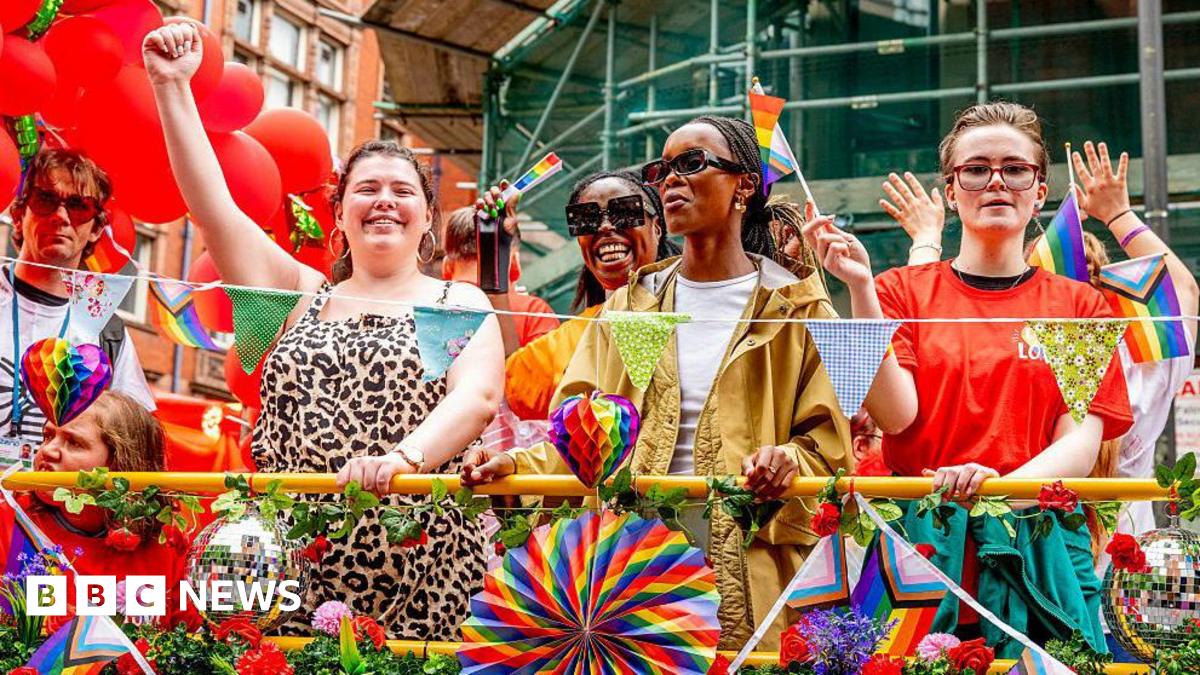
Manchester Pride, a cornerstone of the city’s LGBTQ+ calendar for over two decades, has ceased operations in its current form, leaving workers and artists facing financial losses and prompting a re-evaluation of the event’s future.
The organization’s collapse follows growing criticism regarding the scale and focus of the annual Pride celebration, with concerns raised about staging events outside of Manchester’s Gay Village and prioritizing spectacle over direct support for LGBTQ+ communities. The future of a large-scale Manchester Pride event remains uncertain, but Manchester city Council has pledged support for a “new chapter” beginning next August.
Manchester Pride’s Board of Trustees released a statement on social media expressing “regret” for delays in interaction, explaining they were attempting to secure financial opportunities.The board stated it had hoped to mitigate financial impact for contributors and expressed sincere apologies to those now facing losses.
The organization acknowledged the dedication of two decades to the celebration and community activities, and expressed hope for a “positive and lasting legacy for the Pride movement in Greater Manchester.”
The fallout has sparked concern among those who relied on income from the event. Abbie, a queer artist and practitioner, highlighted the charity’s role in supporting individuals like herself, stating, “This charity is there to platform and support queer artists and practitioners…For all of those people to be at a loose end when this is the charity that is meant to raise them up more than anybody - that’s where it’s deeply frustrating and really upsetting.”
Lexi, a member of the community, expressed openness to supporting a revised event, saying, “I would be happy to put my money into something, especially if it’s going to go back to the community.” She suggested exploring a “cheaper, more sustainable Pride.”
Prior to the collapse, complaints centered on the event’s direction. Some felt it had strayed from its roots, focusing on large-scale productions rather than grassroots community engagement.
The BBC reached out to Manchester Pride for comment but did not receive a response.
