
Up to 13% of Dementia Diagnoses May Be Misattributed to Liver Dysfunction, New Research Suggests
Washington D.C. – A meaningful percentage of individuals diagnosed with dementia may actually be experiencing cognitive decline caused by undiagnosed and treatable liver disease, according to a new study published in the American Journal of Medicine. Researchers found that up to 13 percent of patients exhibiting dementia-like symptoms may instead be suffering from hepatic encephalopathy – a condition were toxins build up in the blood due to liver malfunction, impacting brain function.
The findings, stemming from an analysis of over 68,807 medical records from a national database of non-veteran patients, build upon earlier research conducted with veteran populations. Researchers, including Virginia Commonwealth University biostatistician Scott Silvey and Dr. Jasmohan Bajaj, utilized the FIB-4 score – a non-invasive blood test – to assess liver health and identify potential cases of misdiagnosis. The higher prevalence observed in the broader US population suggests the issue may be more widespread than previously thought.
“The prevalences and determinants of a high FIB-4 are striking, including a greater proportion of patients who were not white in the high FIB-4 group,” Silvey and his team explain in their published research. They hypothesize that disparities in access to therapy and medical care could contribute to this trend.
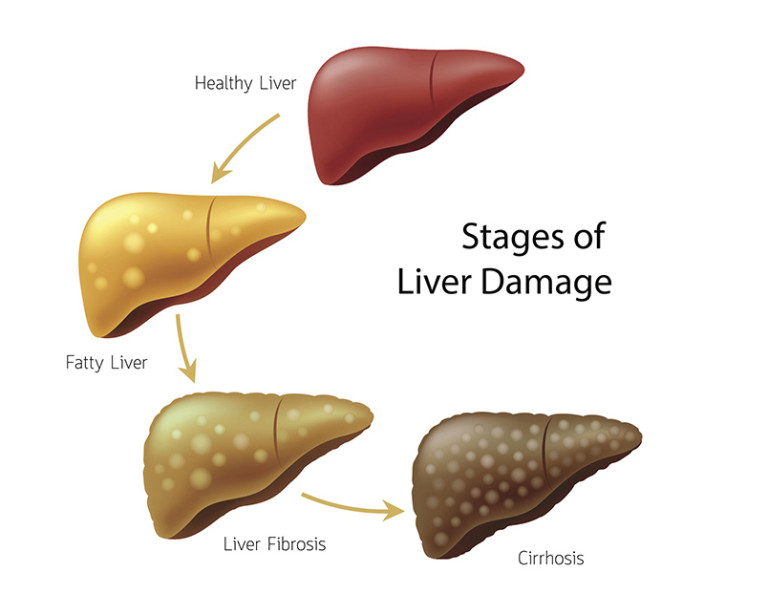
Hepatic encephalopathy occurs when a damaged liver fails to filter toxins from the blood, allowing them to reach the brain and impair cognitive function. Unlike many forms of dementia, hepatic encephalopathy is potentially reversible with treatment focused on improving liver health.
The study highlights the critical link between liver function and brain health, noting that liver malfunction can stress other vital organs, including the kidneys, pancreas, heart, and brain.”This vital link between dementia and liver health emphasizes the importance of screening patients for potentially treatable contributors to cognitive decline,” Bajaj stated.
Researchers point to the need for increased screening for liver disease in patients presenting with cognitive decline, potentially preventing misdiagnosis and enabling timely intervention. A recent study from Duke Health (Kuo Du et al., Nature Aging, 2024) suggests that liver damage, where healthy tissue is replaced with scar tissue, may even be reversible.
