
Gaza Ceasefire Faces Strain as Hostage Remains Dispute Emerges
GAZA – Concerns are rising over the durability of the ceasefire between Israel and Hamas as disagreements surface regarding the return of hostage remains. Israel’s Defense Minister, Israel Katz, has instructed the IDF to prepare a “complete plan” to defeat Hamas in Gaza should the conflict resume, particularly if Hamas fails to fully implement the peace agreement.
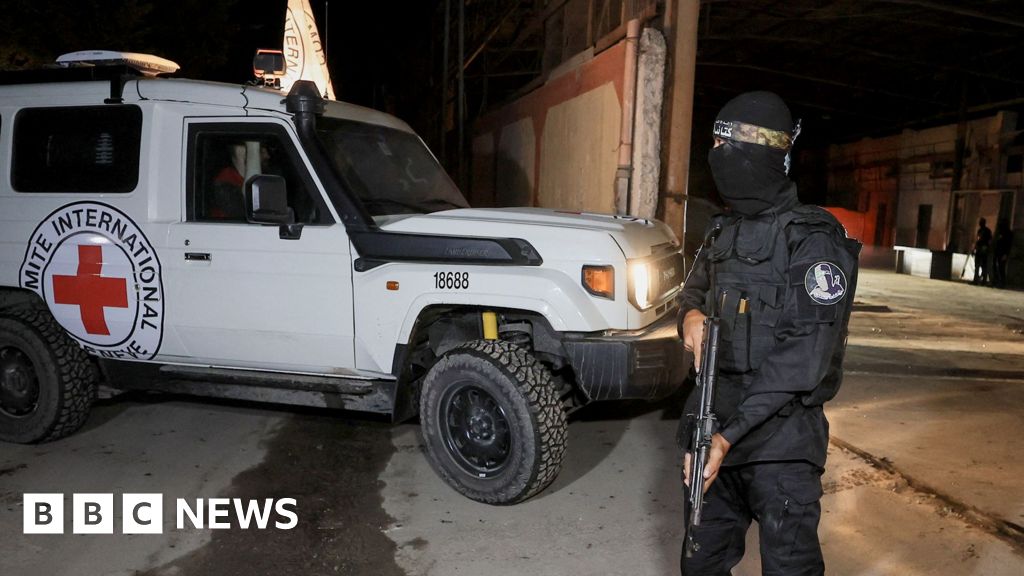
The latest exchange of remains hit a snag Tuesday when Israel determined one of four bodies returned by Hamas was not one of the missing hostages. Despite this, the US is downplaying claims of a ceasefire violation.
The current US-brokered ceasefire agreement, accepted by both Israel and Hamas, initially aimed for the handover of all 48 hostages by noon on Monday. While Hamas returned all 20 living hostages on Monday, the agreement acknowledges the possibility that locating all remains may prove arduous. In exchange for the remains of Israeli hostages, Israel has so far returned the bodies of 90 Palestinians, at a rate of 15 Palestinian bodies for each deceased Israeli hostage.
UN Humanitarian Chief Tom Fletcher has urged Israel to immediately open all border crossings into Gaza to allow for a significant increase in humanitarian aid – “thousands of trucks a week” – as stipulated in the ceasefire plan. He also called on Hamas to “make strenuous efforts to return all the bodies of the deceased hostages,” emphasizing that “withholding aid from civilians is not a bargaining chip.”
Simultaneously occurring, residents in Gaza report growing anxiety about the ceasefire’s longevity, leading to increased food prices as Palestinians stockpile supplies. traders and suppliers are reportedly hoarding goods, creating artificial shortages and driving up profits in anticipation of renewed conflict.
“Every time we start to feel safe, new threats appear, and we fear the war will start all over again,” said Neven Al-Mughrabi, a displaced resident from Gaza living in Khan Younis. She noted a 30% surge in the price of essential goods like flour, oil, and sugar, driven by fears that aid deliveries will cease.
