
Gold Threads Complicate Knee Pain Diagnosis, Highlight Risks of Unproven Implants
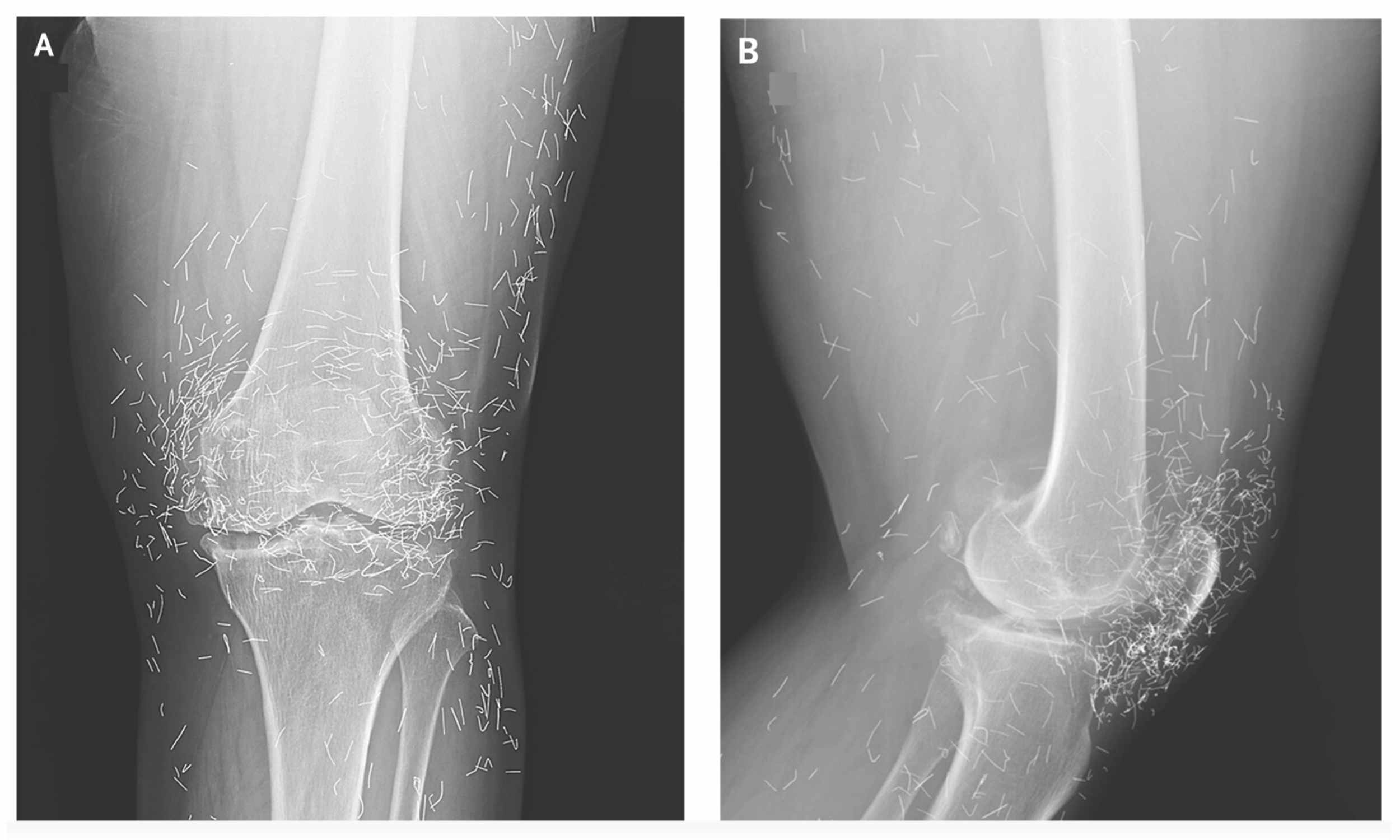
A recent case study published in The New England journal of Medicine details how implanted gold threads interfered with the diagnosis of a woman’s knee pain, raising concerns about the use of unproven treatments and their potential to delay appropriate medical care.
The patient had undergone gold thread implantation, a practice that gained traction after earlier reliance on similar thread implantation techniques. When she presented with knee pain, standard imaging revealed numerous visible threads within her joints. While magnetic resonance imaging (MRI) can be used, the presence of metal necessitates careful screening. Evaluations have shown that certain gold and stainless steel acupuncture needles are MR compatible under specific test conditions and do not generate heat. Though,policies vary based on the exact composition,length,and location of the metal. For example, 24k gold sutures are considered MRI conditional, meaning scanning can only proceed under strict parameters.
Even when MRI scans are possible, metal can create distortions - artifacts – that obscure soft tissues, hindering a radiologist’s ability to accurately assess cartilage, the synovium (the joint lining), and surrounding vessels. In this case, the gold threads significantly impacted image clarity. For many patients, X-ray tracking or ultrasound are simpler methods for monitoring thread position without radiation exposure.
The case highlights a broader trend: patients often seek option treatments when conventional options, like nonsteroidal anti-inflammatory drugs (NSAIDs), cause side effects or lose effectiveness. Current major guidelines for knee osteoarthritis emphasize exercise,weight control,topical or oral nsaids,and steroid injections for flare-ups. Acupuncture is conditionally considered for some patients, but implanted gold threads are not a recommended treatment option.
Currently, evidence supporting gold thread implantation remains limited to case reports.Without rigorous controlled trials, it’s difficult to accurately assess the benefits against potential risks, including thread migration, infection, imaging interference, and, crucially, the possibility of delayed access to definitive care.
The authors emphasize the importance of informed consent. patients should receive clear details about how a permanent implant could affect future diagnostic tests or therapies.Open discussion with a clinician before undergoing any procedure is vital to ensure treatment goals align with options possessing known safety profiles.
The study underscores a simple message: while pain relief is the primary objective, the chosen path should not compromise future options for scans, surgery, or proven medical interventions should they become necessary.
Link to the original study: https://www.nejm.org/doi/full/10.1056/NEJMicm1202540
