
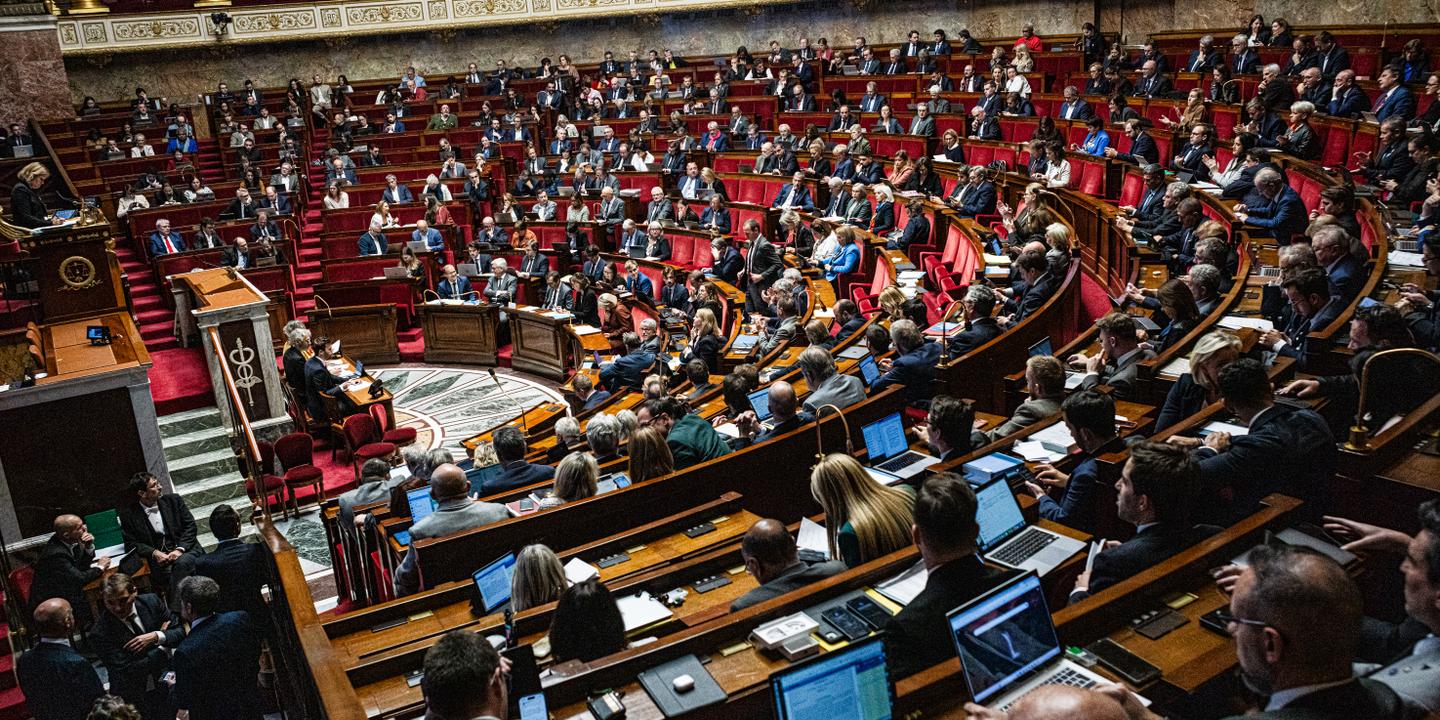
French Parliament Resumes Debate on 2026 Budget Amidst Contentious Amendments
PARIS – The French National Assembly reconvened Thursday to resume examination of the 2026 finance bill, following a nine-day pause dedicated to debate on the Social Security budget – a vote on which was ultimately delayed. The resumption signals a return to a potentially fraught process, with over 2,100 amendments still to be considered for the revenue portion of the budget alone. A vote on this section is scheduled for November 17th, but its success remains uncertain. The entire text must be delivered to the Senate by November 23rd at midnight to meet constitutional requirements.
The debate is expected to focus initially on a proposed change to tax benefits for retirees. The government aims to replace the current 10% pension reduction with a flat-rate reduction of €2,000, a move projected to generate €1.2 billion in revenue. Though, similar to committee discussions, a consensus to remove this measure is anticipated.
Beyond the retiree tax issue,numerous other tax proposals are on the agenda,including levies on small packages – a topic gaining prominence due to ongoing public debate surrounding e-commerce companies like Shein - and an increase in stamp duties for residence permits,which has drawn criticism from left-leaning parties.
The government and the Assembly have agreed to prioritize specific budget items (including defense and sports) for examination within the “expenses” portion of the budget, foregoing a full vote on that section. However, even securing a vote on the “revenue” portion is not guaranteed, as some parliamentary groups may seek to delay proceedings.
Prior to the pause,lawmakers addressed several key measures,notably taxation of high earners. While a proposed “Zucman tax” failed to pass, several taxes targeting multinational corporations and substantial dividends were approved, prompting criticism from government supporters who labeled the changes a “tax sheet.”
Minister of Public Accounts, Amélie de Montchalin, offered a more tempered assessment, stating the budget was far from a “budget Frankenstein” and that the deficit target of 4.7% of GDP remained achievable.
The coming weeks will be crucial as the National Assembly navigates these complex financial debates, with the looming deadline for Senate transmission adding further pressure.
