
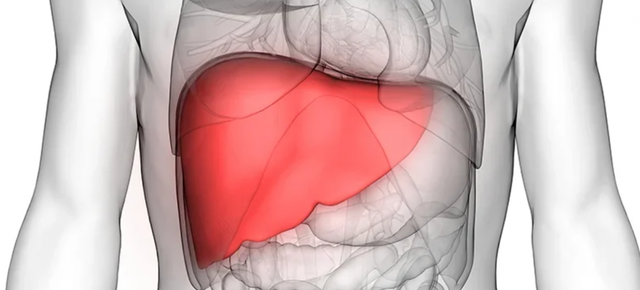
Fiber Power: Inulin Protects the Liver from Fructose‘s Harmful Effects, New Study Reveals
A recent study published in Nature Metabolism has uncovered a promising way to mitigate the negative impact of fructose, a sugar prevalent in the modern diet, on liver health. Researchers at UC Irvine School of Medicine have found that supplementing with inulin, a natural fiber found abundantly in foods like onions, garlic, and chicory, can significantly protect the liver from fructose-induced damage.
The key lies in the gut microbiome. The study demonstrates that inulin encourages the growth and activity of beneficial intestinal bacteria that actively consume fructose before it’s absorbed into the bloodstream and reaches the liver. This pre-emptive metabolism dramatically reduces the amount of fructose delivered to the liver, effectively preventing the buildup of fat (hepatic steatosis) and the development of insulin resistance – both critical factors in the progression of metabolic syndrome.
“We discovered that adding inulin to the diet reshapes the gut microbiota in a way that allows bacteria to process a ample portion of the fructose before it enters systemic circulation,” explains Dr. Cholsoon Jang, the study’s coordinator and a professor at UC Irvine.
This shift in gut bacteria doesn’t just reduce fructose delivery; it also actively combats the harmful effects that do occur. Inulin promotes a decrease in liver inflammation and lipid deposits. Simultaneously, it boosts the liver’s production of its own antioxidants, providing a crucial layer of defense for liver cells.
Importantly, the research highlights the benefits of inulin even in individuals with a normal Body Mass Index (BMI). This suggests that metabolic issues can be addressed before they become clinically apparent, offering a proactive approach to liver health.
The mechanism is multifaceted. Inulin stimulates fructose breakdown in the small intestine, limiting its journey to the colon and liver. This, in turn, reduces de novo hepatic lipogenesis – the liver’s creation of new fats – and enhances the synthesis of essential amino acids like serine and glycine. These amino acids are vital for producing glutathione,the liver’s primary cellular antioxidant,ultimately reducing oxidative stress and bolstering liver function.
The findings open exciting possibilities for personalized nutrition strategies. Researchers envision a future where individuals can have their gut microbiome analyzed to determine their efficiency in processing fructose.This would allow for tailored recommendations of specific prebiotics or probiotics, maximizing therapeutic benefits and minimizing potential side effects.
“Identifying the specific bacteria and metabolic pathways involved in fructose processing allows us to design personalized nutritional approaches,” Dr. Jang states.
The research team plans to further investigate the impact of various dietary fibers on fructose metabolism and the risk of related diseases, including obesity, type 2 diabetes, and even liver cancer.
Ultimately, the study underscores the critical importance of a fiber-rich diet for maintaining metabolic and liver health. In a food landscape dominated by ultra-processed and sugary products, prioritizing a natural diet abundant in vegetables and fiber might potentially be a powerful tool in preventing chronic disease.
