
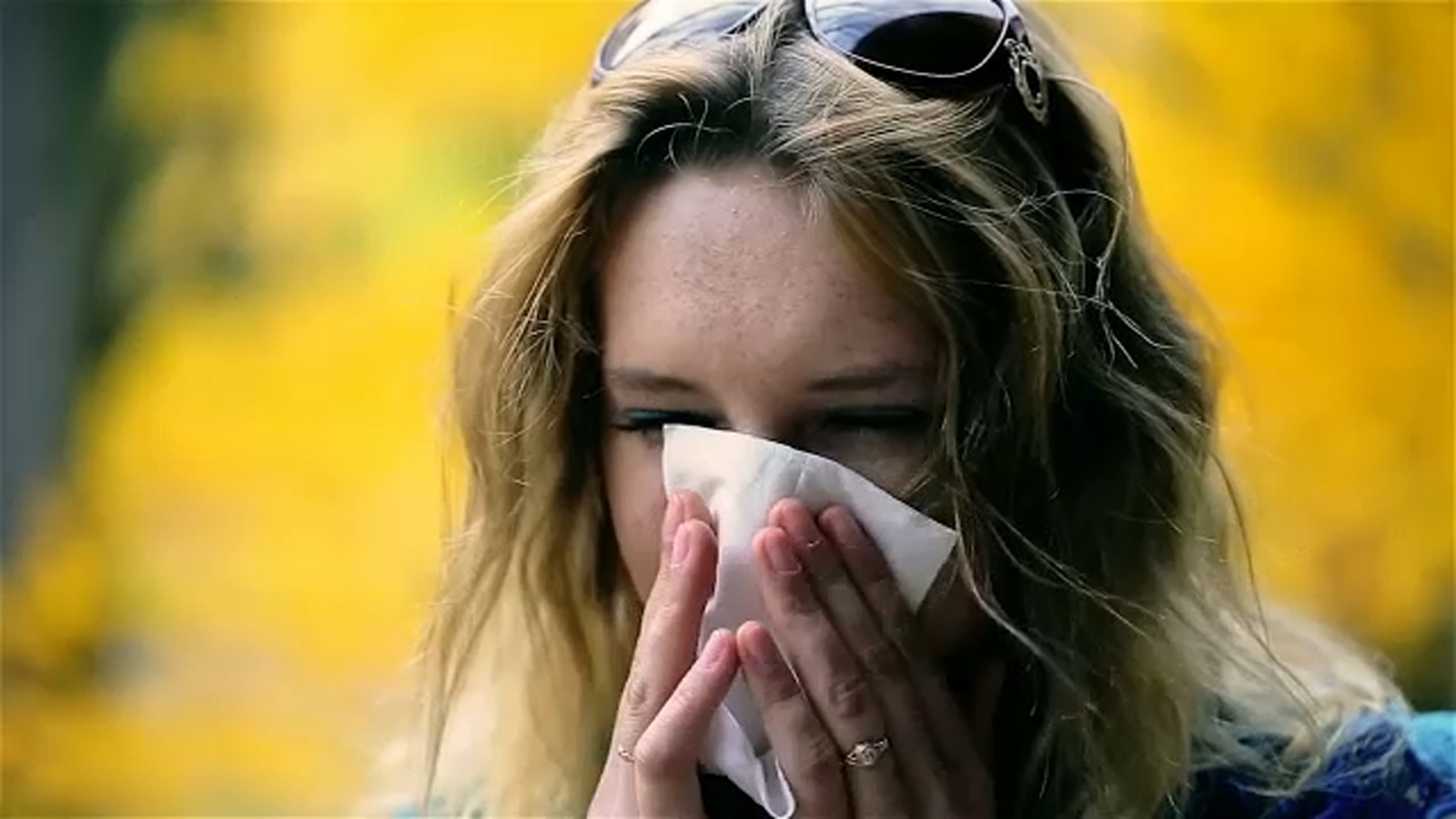
Fresno, CA – As temperatures cool and leaves begin to change, manny Central Valley residents are experiencing allergy symptoms mirroring springtime, prompting local doctors to offer advice on managing the seasonal shift.
fall allergies are arriving earlier and lasting longer, according to Dr. Buddiga of a Northeast Fresno clinic. “Almost at the end of August to the first weeks of September, I’ve been seeing fall allergies,” he said, attributing the rise to blooming ragweed affecting both children and adults. This extended allergy season, coupled with fluctuating temperatures, poses a particular risk to individuals with asthma.
The symptoms of fall allergies are often indistinguishable from spring allergies, including itchy eyes, runny noses, and throat congestion. Dr. Buddiga also notes a mild cough is a common indicator. While fall allergies typically peak around the end of October and beginning of November, the changing climate is causing symptoms to appear sooner.
Older adults and young children with asthma are especially vulnerable when temperatures change. “Their lung tissue tends to constrict so it makes it harder for them to breathe in and out,” Dr. Buddiga explained,advising those individuals to utilize their inhalers as needed.
Fortunately, several strategies can help combat fall allergies. Dr. Buddiga recommends using nasal sprays,taking antihistamines,and employing sinus rinses to clear nasal passages of pollen and dust. “It’s kind of like cleaning your nasal passages because that’s where most of the pollen tends to accumulate,” he said. Air purifiers equipped with HEPA filters can also considerably reduce airborne allergens.
Health experts emphasize that fall allergies shouldn’t disrupt daily life, but urge anyone experiencing worsening symptoms to consult a doctor promptly.
