
Takaichi Governance Navigates Early Coalition Challenges wiht Focus on Conservative Policies
The newly formed coalition government led by Prime Minister Takaichi is prioritizing a conservative policy agenda in response to gains made by the opposition Sanseito party,which advocates a “Japanese First” platform. Sanseito garnered meaningful support in the July House of Councillors election, securing approximately 3.95 million votes as of the end of June, and forcing the ruling Liberal Democratic Party (LDP) and Nippon Innovation party (JIP) to refocus their efforts on attracting conservative voters.
This shift is evident in the JIP’s September proposal to the Ministry of Justice advocating for “total volume control” - a cap on the number of foreign nationals accepted into Japan. Takaichi herself championed stricter immigration policies,including measures against visa overstays,during her campaign for the LDP leadership in October. The subsequent, albeit hastily arranged, LDP-JIP coalition was built on a shared strategy of appealing to this conservative base.
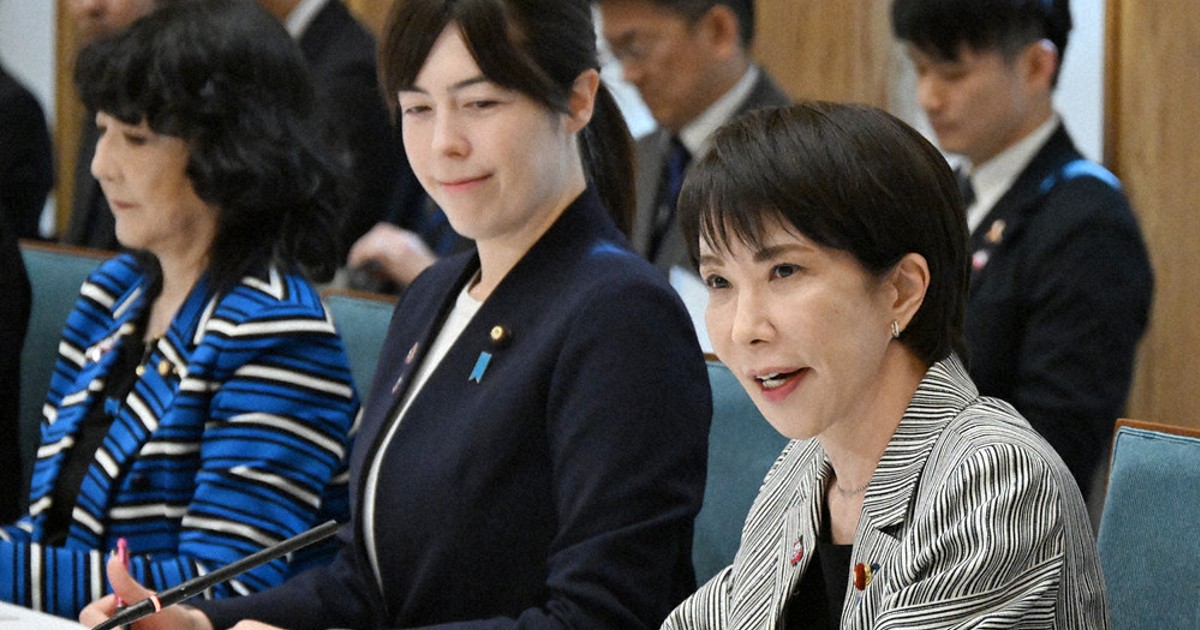
A key appointment signaling this direction is Kimi Onoda, a House of councillors member known for her conservative stance and distance from the former coalition partner, Komeito. Onoda has been named minister in charge of a society of well-ordered and harmonious coexistence with foreign nationals. Takaichi has tasked Onoda with leading discussions on these policies, demonstrating a commitment to swift action.
The administration is demonstrating a proactive approach to policy implementation, holding its first meeting of Japan’s growth strategy headquarters just two weeks after inauguration. This rapid pace,deliberately scheduled alongside the start of Diet question and answer sessions,is intended to showcase the administration’s initiative and control.
Officials within the administration point to the previous Ishiba government, which failed to fully realize its agenda due to its minority status, as a cautionary tale. They believe strengthening the “command tower functions” of the Prime Minister’s office is crucial, even without a commanding majority in the Diet.
However, early signs of tension within the coalition have emerged regarding the specifics of immigration policy. While the coalition agreement commits to formulating a “population strategy” with numerical targets by March 2027, Takaichi’s initial instructions deliberately avoided explicit mention of “total volume control.” A senior administration official revealed this vagueness stemmed from internal debate, and sources close to the Prime Minister suggest the coalition agreement itself may be subject to revision given its formation under “chaotic” circumstances.
This discrepancy between the coalition agreement and the prime Minister’s initial statements represents a potential point of friction, particularly given the importance of immigration policy to the JIP. How the JIP responds to this situation will be critical to the stability of the newly formed alliance.
