
Childhood trauma Linked to Adult Dental Anxiety, Study Finds
TRONDHEIM, Norway – A new study from the Norwegian University of Sciences and Technology (NTNU) suggests a strong connection between adverse childhood experiences and heightened dental anxiety in adolescents. Researchers analyzing data from over 5,800 individuals aged 13 to 17 found that young people who experienced stressful events like parental divorce, bullying, violence, or abuse were substantially more likely to fear the dentist.
The research, published in BMC Oral Health, examined correlations between reported life experiences, levels of dental fear, and oral health indicators like cavities. Analysis revealed a clear trend: the greater the number of stressful childhood experiences, the higher the reported dental anxiety.
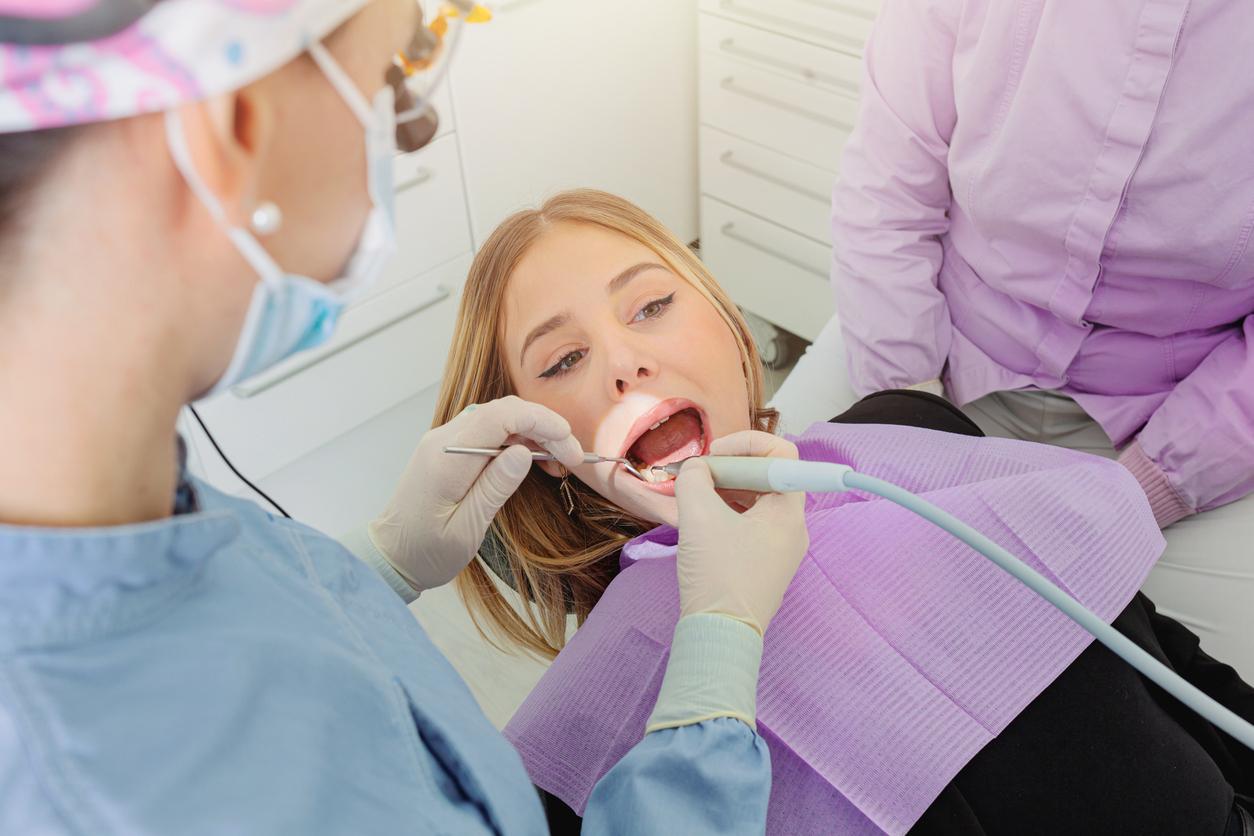
“For many people who have experienced great insecurity during thier childhood, dental care can be demanding,” explains Lena Myran, a psychologist and the study’s lead author. “patients are lying on their backs, in a vulnerable position, while a figure of authority takes care of their mouths. It is therefore not surprising that dental care can be tough.”
The study also highlighted a gender disparity, finding the link between childhood trauma and dental fear was more pronounced in girls. Myran noted her surprise at the strength of this association, stating, “We know that the fear of the dentist is more frequent in girls and that girls are more numerous than boys to have suffered sexual abuse. Girls are also more numerous than boys to develop anxiety and depression in adolescence, but the fact that we have seen such a clear difference in our data remains surprising.”
These findings underscore the importance of recognizing the potential impact of early life experiences on adult health behaviors and suggest a need for dental professionals to be sensitive to the possibility of underlying trauma when treating anxious patients. The research emphasizes that seemingly unrelated anxieties, like fear of the dentist, may have roots in past experiences, offering a new perspective on addressing patient apprehension and improving oral healthcare access.
