
Exercise as Therapy for Depression and Anxiety in parkinson’s Disease
Research indicates that exercise can have meaningful therapeutic effects in alleviating depression and anxiety experienced by patients with Parkinson’s disease. Beyond the benefits of pharmaceutical interventions, which aim to slow disease progression, exercise acts as a catalyst for brain revitalization.
Specifically, four types of exercise – dancing, walking, swimming, and yoga - are highlighted for their positive impact. These activities stimulate brain activity and contribute to overall well-being. Complementing these, strength training (muscle strengthening exercise) is crucial for maintaining physical function. It directly improves fall prevention, joint stability, and overall strength, especially addressing unilateral weakness common after stroke, muscle stiffness in Parkinson’s, and sarcopenia associated with reduced activity in dementia. Strength training, utilizing resistance bands, equipment, or weight-bearing exercises, should focus on the lower body and core at least twice weekly. This leads to improvements in daily functional tasks like walking speed, rising from a seated position, and climbing stairs. When combined with aerobic exercise, strength training creates a synergistic effect in managing cardiometabolic risk factors. It essentially translates the benefits of the other exercises into sustained, practical daily function.
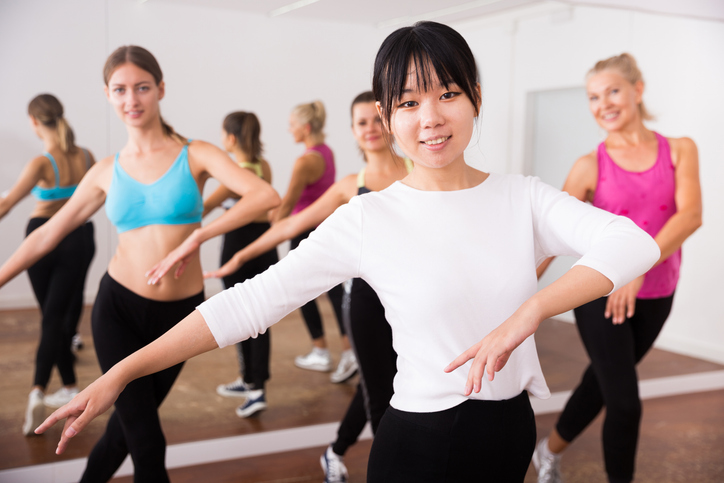
York University research demonstrates the brain’s capacity for change even after a disease diagnosis. Exercise, in this context, can be viewed as a means of “awakening” the brain. Regular physical activity – incorporating movement to music, walking, water-based exercise, and mindful breathing - can serve as a proactive measure for protecting brain health throughout life.
Frequently Asked Questions:
Q1. Can individuals with Parkinson’s disease or stroke, experiencing stiffness and limited mobility, participate in dance?
A1. Yes,participation is possible. Programs like “chair dance” or “sitting warm-up” – involving seated upper body movement – provide sufficient brain stimulation, as demonstrated in the York university study. The essence of dancing lies not in complex choreography, but in the brain activity required to learn new movements in time with music. Rehabilitation dance programs for seniors with mobility challenges are increasingly available at welfare and cultural centers, and professional guidance is recommended.
Q2. are certain dance genres more beneficial for brain health?
A2. ‘Tango’ is the most extensively studied dance in this regard. Tango is particularly effective in developing dynamic equilibrium (balance) due to its improvisational nature, partner coordination, and multi-directional movement. However, any dance genre incorporating both memorization of sequences and rhythmic movement – such as waltz, Korean dance, or aerobics – can effectively contribute to preventing brain aging.
Q3. How frequently should these four exercises (dancing, walking, swimming, and yoga) be performed to achieve optimal results?
A3. The World Health Organization (WHO) and experts recommend at least 150 minutes of moderate-intensity exercise per week for brain health. This translates to consistent practise of 30 minutes a day, five times a week, or 50 minutes, three times a week. Variety is key; incorporating different exercises based on individual needs and preferences - walking on pleasant days, swimming when joints are sore, or dancing for a change of pace – is crucial for maintaining engagement and long-term adherence.
