
Judiciary Mobilizes to Address Proposed Judicial Reforms
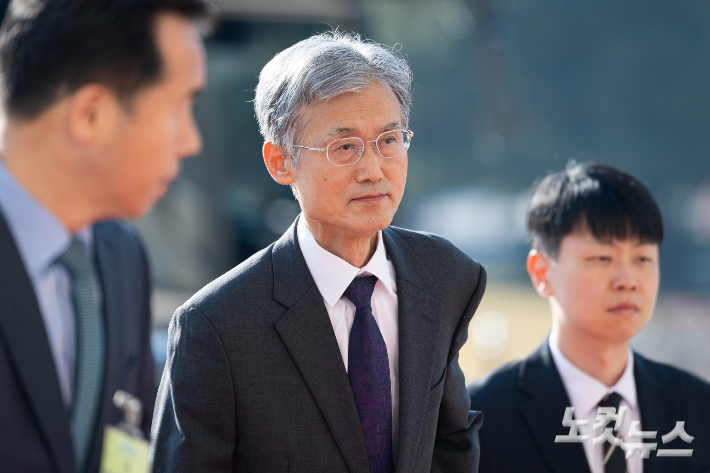
The South Korean judiciary is actively responding to proposed legislative reforms, with concerns raised that the bills could substantially alter the structure and function of the court system. Chief Justice Cho Hee-dae recently delivered a speech at the National Assembly on December 4th regarding the upcoming year’s government budget, signaling the judiciary’s engagement with the legislative process.
Internal discussions reveal anxieties within the judiciary that the reforms, if passed, could mirror the consequences of previous attempts to abolish the Prosecutors’ Office. One Finance and Economy Court Chief Judge, identified as Chief Judge Han, expressed concern that the passage of the bill could silence opposition to reform, drawing a parallel to the impact of the previous prosecutorial reform legislation. This has spurred a call to ”utilize all possible measures at the judiciary level” before the bill reaches a vote.
Efforts to engage in public debate are being prioritized. The National Judges’ Representative Meeting, scheduled for December 8th, will consider pre-submitted bills focused on improving the judicial system and reforming judge personnel and evaluation processes. Previously, the National Association of Judges’ Representatives formally requested clarification from the National Court Management regarding proposed changes including the establishment of a Judicial Administration Committee, the creation of an insurrection court, and the introduction of laws addressing distortion of legal principles. The Association emphasized the importance of reviewing these proposals, as they could fundamentally alter the existing judicial administration system and impact judicial independence.
Furthermore, the Supreme Court will host a three-day public hearing, beginning December 9th, focused on “Reorganization of the judicial system for the people.” Chief Justice Cho has encouraged active participation from court chiefs. The hearing will feature experts from legal, academic, media, and civil society backgrounds, and will cover a range of topics including: the current state of trials, enhancing fairness and transparency within the judiciary, expanding citizen involvement in judicial processes (specifically labor courts and citizen participation trials), improving the criminal justice system to protect human rights, reforming the appellate system, and considering an increase in the number of Supreme Court justices.
Chief Justice Cho described the public hearing as a “meaningful event” designed to facilitate in-depth discussion and identify the best path forward for judicial reform.
