
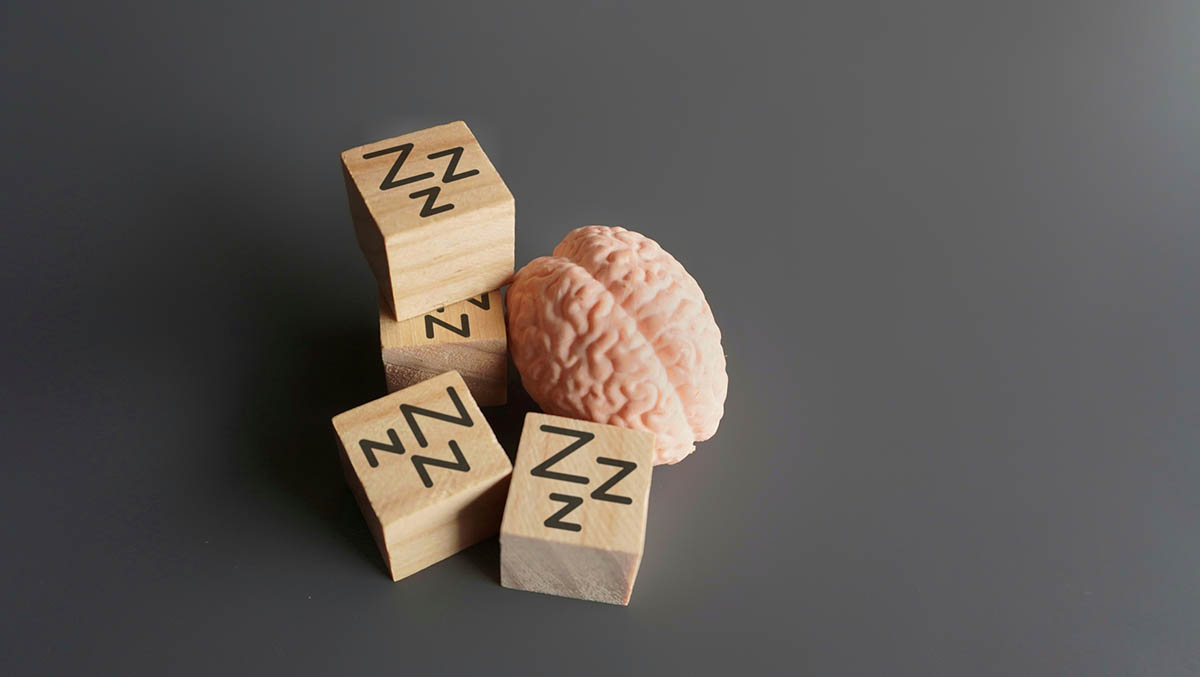
chronic Insomnia Linked to Increased Dementia Risk, Study Finds
New research indicates a importent correlation between long-term sleep disturbances and a heightened risk of dementia. A study published in neurology reveals individuals with chronic insomnia may experience a 10 percent decline in brain function, alongside increases in brain microlesions and amyloid deposits – all factors associated with cognitive decline.
The findings, led by a team examining existing medical records, underscore the growing concern over the long-term neurological consequences of widespread sleep deprivation. with approximately one in four people reporting sleep issues, according to Statista data, this research highlights a possibly major public health challenge as populations age and dementia diagnoses rise. Understanding the link between sleep and brain health is crucial for developing preventative strategies and early interventions to mitigate dementia risk.
Researchers analyzed data from individuals already diagnosed with sleep disorders, focusing on basic cognitive performance, the presence of hyperintensities (microlesions in the brain’s white matter), and amyloid deposits. The study suggests insomnia may impact the brain in multiple ways, accelerating processes linked to neurodegenerative diseases.
“Our results suggest that insomnia may affect the brain in several ways,” stated Dr. Carvalho, lead researcher on the project.
However, the study acknowledges limitations. Data was sourced solely from diagnosed cases within medical records,meaning undiagnosed sleep disorders were not accounted for,nor was the severity of the condition factored into the analysis. Further research is needed to determine the precise nature of the relationship and explore potential interventions to protect brain health in those struggling with chronic insomnia.
Sources:
https://de.statista.com/infografik/29586/befragte-die-unter-schlafstoerungen-leiden/
https://www.neurology.org/doi/10.1212/WNL.0000000000214155
https://www.n-tv.de/wissen/Laesst-Schlaflosigkeit-das-gehirn-schneller-altern-article26029250.html
