
Chicago Water Treatment Plant Tackles Record Rainfall, Protects Regional Water Supply
Table of Contents
Stickney, Illinois – The Metropolitan Water Reclamation district (MWRD) is actively managing unprecedented volumes of stormwater and sewage following a series of intense whether events, safeguarding the water quality for millions of residents across Cook County. The Stickney water treatment plant, one of the largest in the world, is at the forefront of this critical infrastructure response.
record Rainfall Stresses Chicago’s Water Infrastructure
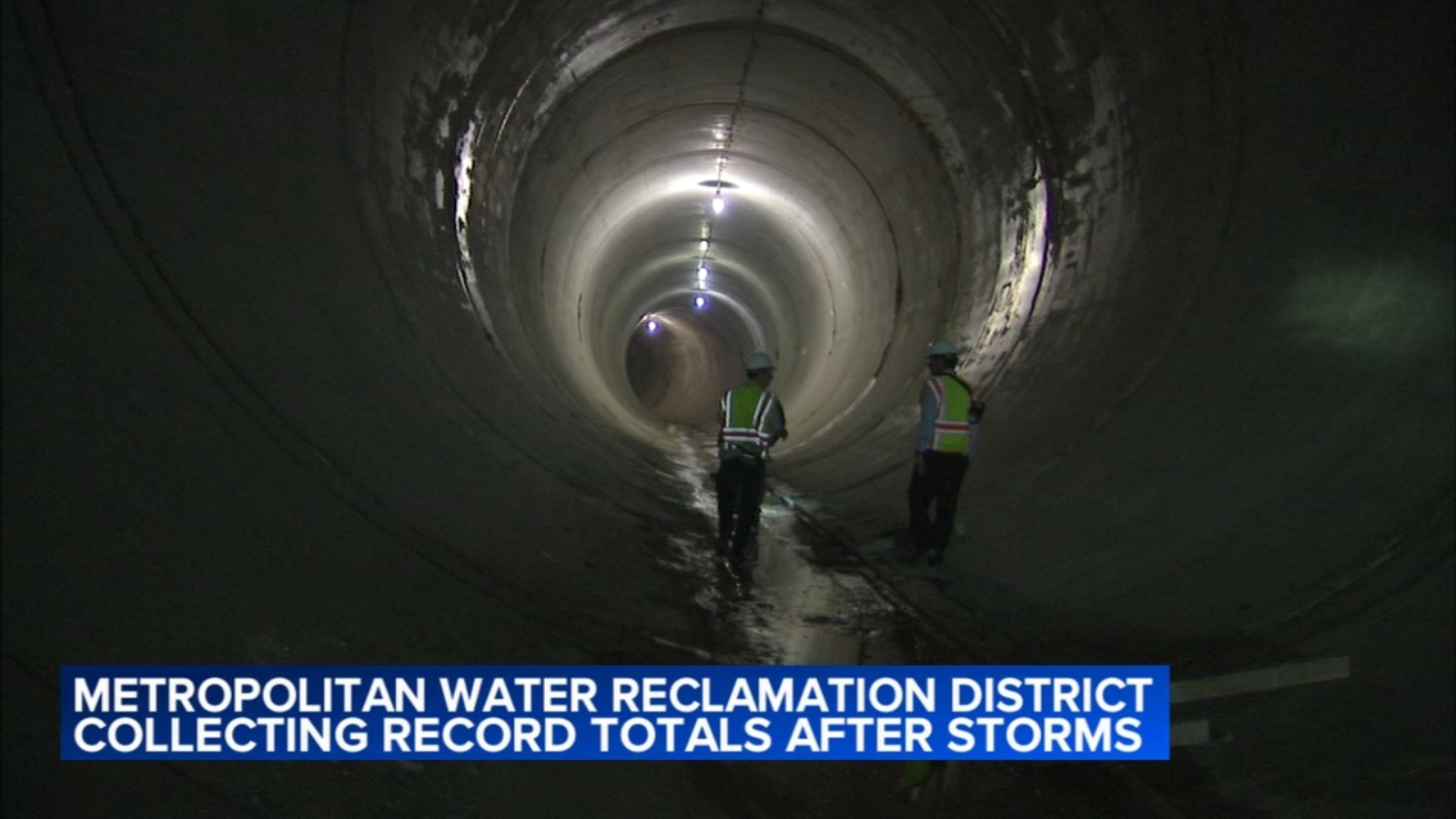
Recent storms have significantly challenged the region’s water management systems. The MWRD has captured over 7 billion gallons of water within its extensive deep tunnel system,a network designed to prevent flooding by temporarily storing excess water and wastewater [1]. This surge in volume is a direct result of both heavy rainfall and the combined flow of stormwater and sewage.
The McCook Reservoir, a key component of the MWRD’s infrastructure, is currently holding considerable amounts of water collected from homes and streets throughout the county. When rainfall overwhelms the system, the MWRD strategically opens gates at nearby dams to ensure proper sewage flow and prevent backups.
How the Stickney Plant Processes Wastewater
The Stickney plant processes wastewater from millions of homes, separating solids and pollutants before returning treated water to the environment. During typical conditions, the plant handles approximately 3 to 4 cubic yards of garbage daily.However, storm events dramatically increase this amount, reaching up to 15 cubic yards of debris per storm.
“When it rains, a lot of water comes in, and we call that the first flush,” explained Brian Levy, an MWRD engineer. This initial surge carries a significant amount of pollutants and debris from streets and properties.
Did You Know? The Chicago area’s sewer system is a combined sewer system, meaning it carries both stormwater and wastewater in the same pipes. This is a common practice in older cities, but it can lead to overflows during heavy rainfall.
Proactive Measures and System Management
The MWRD employs proactive strategies to mitigate the impact of heavy rainfall.These include lowering the Chicago waterway system and pumping down sewers in anticipation of storms. Real-time monitoring of rainfall and system gauges in control rooms allows engineers to respond effectively to changing conditions.
The Illinois Governor, J.B. Pritzker,issued a state disaster proclamation in July to assist residents affected by widespread flooding [2], highlighting the severity of the recent weather events.
Key System Statistics
| Metric | Value |
|---|---|
| Water Captured in Deep Tunnels | Over 7 billion gallons |
| Garbage Received (Dry Weather) | 3-4 cubic yards/day |
| Garbage Received (Storm Event) | Up to 15 cubic yards/storm |
| Number of Treatment Centers Like Stickney | 6 |
The MWRD operates six treatment centers similar to the Stickney plant throughout Cook County, ensuring comprehensive wastewater management.
Pro Tip: Residents can help ease the strain on the system during storms by delaying non-essential water usage, such as running dishwashers or washing clothes.
“Delay running the dishwasher. Delay washing clothes. Maybe take a shorter shower, anything you can do to free up space,” advised Kari Steele, president of the MWRD Board of Commissioners.
While the treatment process is rigorous, the plants do encounter challenges with odor control.Troughs and other mitigation strategies are employed to minimize unpleasant smells, though the nature of the incoming materials presents ongoing difficulties.
What steps do you take to conserve water during severe weather events? How critically important do you think infrastructure investment is for protecting our communities from flooding?
The Future of Water Management in Chicago
Chicago’s water infrastructure faces ongoing challenges from climate change, including more frequent and intense storms. The MWRD is continually investing in upgrades and expansions to enhance the system’s capacity and resilience. These efforts include expanding the deep tunnel system, improving treatment technologies, and promoting green infrastructure solutions like rain gardens and permeable pavements. According to the EPA,green infrastructure can reduce stormwater runoff by up to 90% [3]. The long-term sustainability of Chicago’s water supply depends on a multi-faceted approach that combines customary infrastructure with innovative, nature-based solutions.
Frequently Asked Questions About Chicago Water Treatment
- What is the purpose of the deep tunnel system? The deep tunnel system is designed to temporarily store excess stormwater and sewage, preventing flooding and protecting the Chicago River.
- How does the Stickney plant treat wastewater? The Stickney plant uses a multi-stage process to remove solids, pollutants, and harmful bacteria from wastewater before returning it to the environment.
- What can residents do to help during heavy rainfall? Residents can reduce their water usage during storms to minimize the strain on the sewer system.
- Is Chicago’s water supply safe? The MWRD ensures the safety of Chicago’s water supply through rigorous treatment processes and ongoing monitoring.
- What is a combined sewer system? A combined sewer system carries both stormwater and wastewater in the same pipes, which can lead to overflows during heavy rainfall.
We hope this article provided valuable insight into the vital work being done to protect our water resources.Share this facts with your friends and neighbors, and let us know your thoughts in the comments below! Don’t forget to subscribe to our newsletter for more in-depth coverage of important local issues.
