
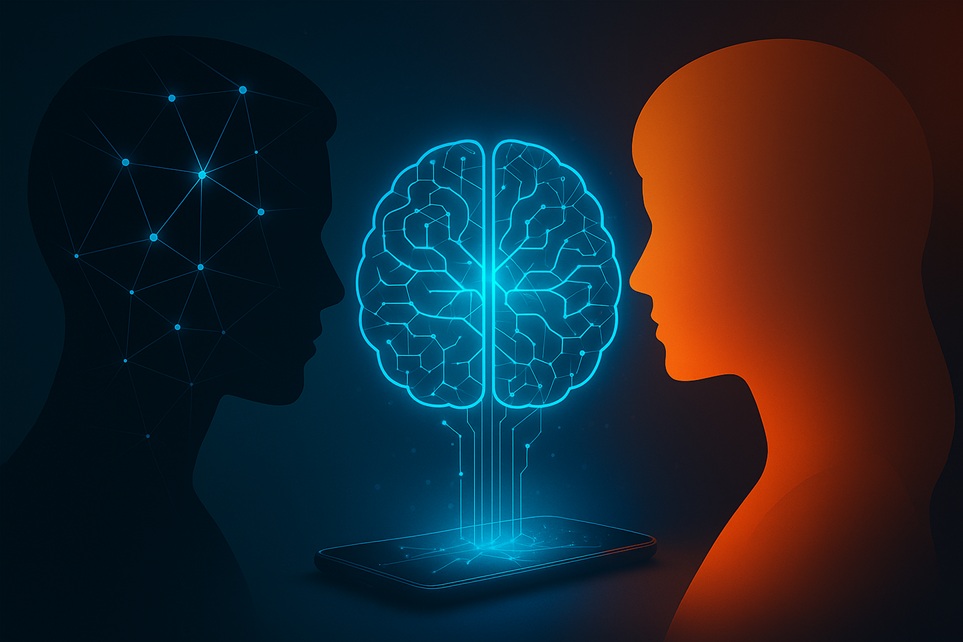
The rise of Cognitive Digital Twins: A New Era in Mental Healthcare
A groundbreaking approach to understanding and proactively managing brain health is emerging, centered around the creation of “digital cognitive twins.” Inspired by the success of digital twins in fields like engineering and medicine – were virtual replicas of physical systems allow for risk-free testing and optimization – researchers are now applying this principle to the complexities of the human brain.
This innovation promises a shift from reactive treatment of neuropsychiatric diseases to preventative, personalized care. The core of this change lies in the power of Artificial Intelligence (AI). By analyzing vast datasets encompassing brain activity, daily behaviors, and emotional responses, AI algorithms can identify subtle early indicators of cognitive decline, refine patient selection for clinical trials, and model the individual progression of cognitive functions.
Recently, a collaborative team from duke University, Columbia University, Nebrija University, and CogniFit unveiled a novel framework for building these digital twins, published in Nature Mental Health. Their system integrates data from readily available consumer devices – smartwatches, fitness trackers, and sleep sensors - which continuously monitor physiological metrics like heart rate, sleep quality, activity levels, and stress.This real-time data stream feeds the “digital twin,” allowing it to adapt recommendations and cognitive programs tailored to the individual’s current state.
The AI acts as a central orchestrator,harmonizing diverse data sources and anticipating user needs. Unlike conventional “brain training” games with limited efficacy, these cognitive twins offer a dynamic, personalized experience guided by scientific evidence and potentially overseen by healthcare professionals.
Researchers envision a future where each person possesses their own cognitive digital twin, capable of predicting changes in memory, attention, and other cognitive abilities, and proactively suggesting activities to maintain mental wellbeing. A recent analysis supports this vision, demonstrating the potential of technology to prevent or delay both age-related and pathological cognitive decline.
While challenges remain – including ensuring data privacy, algorithmic transparency, and equitable access to technology – the potential benefits of cognitive digital twins are substantial. This technology represents a significant leap forward, potentially transforming mental healthcare from a reactive system to a proactive, personalized approach, and heralding a new era in neuroscience.
