
Bacteria Found in Arteries Linked to Fatal Heart Attacks, Study Reveals
PARIS – A groundbreaking study published in the Journal of the American Heart Association has revealed a surprising link between oral bacteria and fatal heart attacks, potentially impacting millions. Researchers have discovered bacterial DNA – specifically that of “viridan streptococci” commonly found in the mouth – within atherosclerosis plaques, the fatty deposits that clog arteries and can lead to myocardial infarction.
Nearly 100,000 French people experience a heart attack each year, a life-threatening event triggered when a coronary artery becomes suddenly blocked, most often by a blood clot. While established risk factors like tobacco use, high cholesterol, hypertension, diabetes, obesity, a sedentary lifestyle, and family history are well-known, this new research points to a previously underestimated contributor: chronic bacterial infection originating in the mouth.
The study, conducted by researchers aiming “to study the role of oral bacteria […] and of the immune system in the inflammation of atherosclerosis plates […] as well as their role as a risk factor for mortal myocardial infarction,” analyzed samples from 121 individuals who died of sudden cardiac death and 96 patients undergoing heart surgery. Results showed bacterial DNA present in 42% of the atherosclerosis plaques examined.
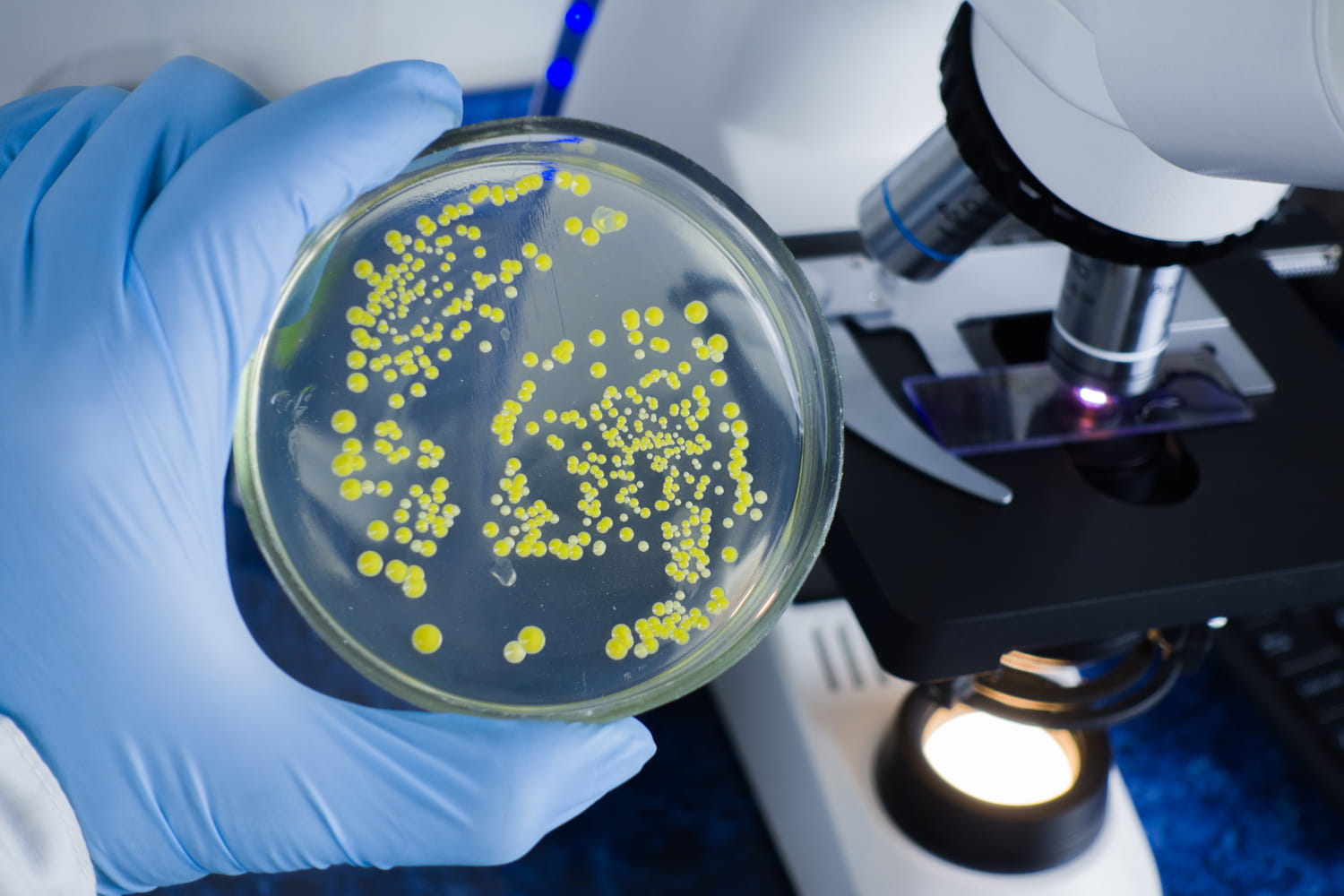
These bacteria form biofilms – protective layers that shield them from the immune system and antibiotics. While contained within the plaque, the biofilm remains undetected. However,when the plaque ruptures,the bacteria are released,triggering a strong inflammatory response.Researchers believe this inflammation weakens the plaque, increasing the risk of clot formation and subsequent fatal infarction.
“We previously found that victims of sudden cardiac death suffered from poor oral health,” the researchers noted. The findings underscore the importance of diligent oral hygiene to minimize the spread of bacteria like viridan streptococci into the bloodstream. Experts recommend annual dental checkups, brushing teeth twice daily for two minutes, replacing toothbrushes every three months (or sooner if bristles are frayed), and daily flossing.
