
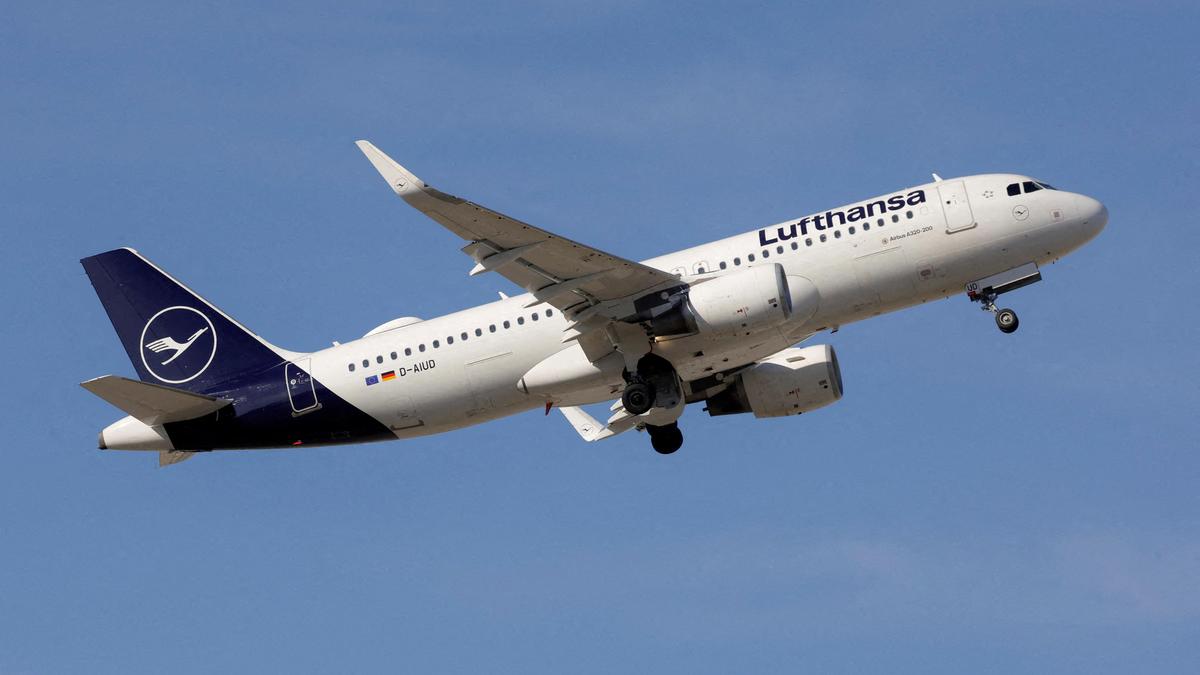
Airbus Forecasts Asia Pacific Demand for 19,560 New Aircraft Over Next Two Decades
BANGKOK – The Asia Pacific region is poised for substantial aviation growth, requiring 19,560 new passenger aircraft – both narrow-body and wide-body – over the next 20 years, Airbus announced Saturday. This demand represents 46% of the 42,520 new aircraft projected globally during the same timeframe,signaling the region’s increasing importance in the worldwide aviation landscape.
The surge in demand is primarily fueled by growth in India and China, according to Anand Stanley, Airbus Asia Pacific President, who presented the forecast at the Association of Asia-Pacific Airlines’ (AAPA) Annual Assembly of Presidents in Bangkok. This projection underscores the region’s robust economic expansion and a rapidly growing middle class driving increased air travel. The Asia-Pacific region is expected to experience an annual passenger growth rate of 4.4%, exceeding the global average of 3.6%.
Airbus forecasts the region will need approximately 3,500 wide-body aircraft, accounting for 43% of global demand in that aircraft category. Single-aisle aircraft demand is projected at around 16,100,representing 47% of new global deliveries.
The company highlighted that approximately 68% of aircraft deliveries will be for fleet expansion, while the remaining 32% will replace older, less efficient models, contributing to decarbonization efforts. Airbus stated its next-generation wide-body aircraft offer a 25% improvement in fuel efficiency and a corresponding reduction in carbon emissions.
stanley emphasized that the Asia Pacific region is “entering an exciting phase of growth,” driven not only by passenger traffic but also by network growth, the rise of low-cost carriers, and infrastructure improvements. india, already one of the world’s fastest-growing civil aviation markets, is a key contributor to this expansion, with airlines placing substantial orders to meet rising demand.
