
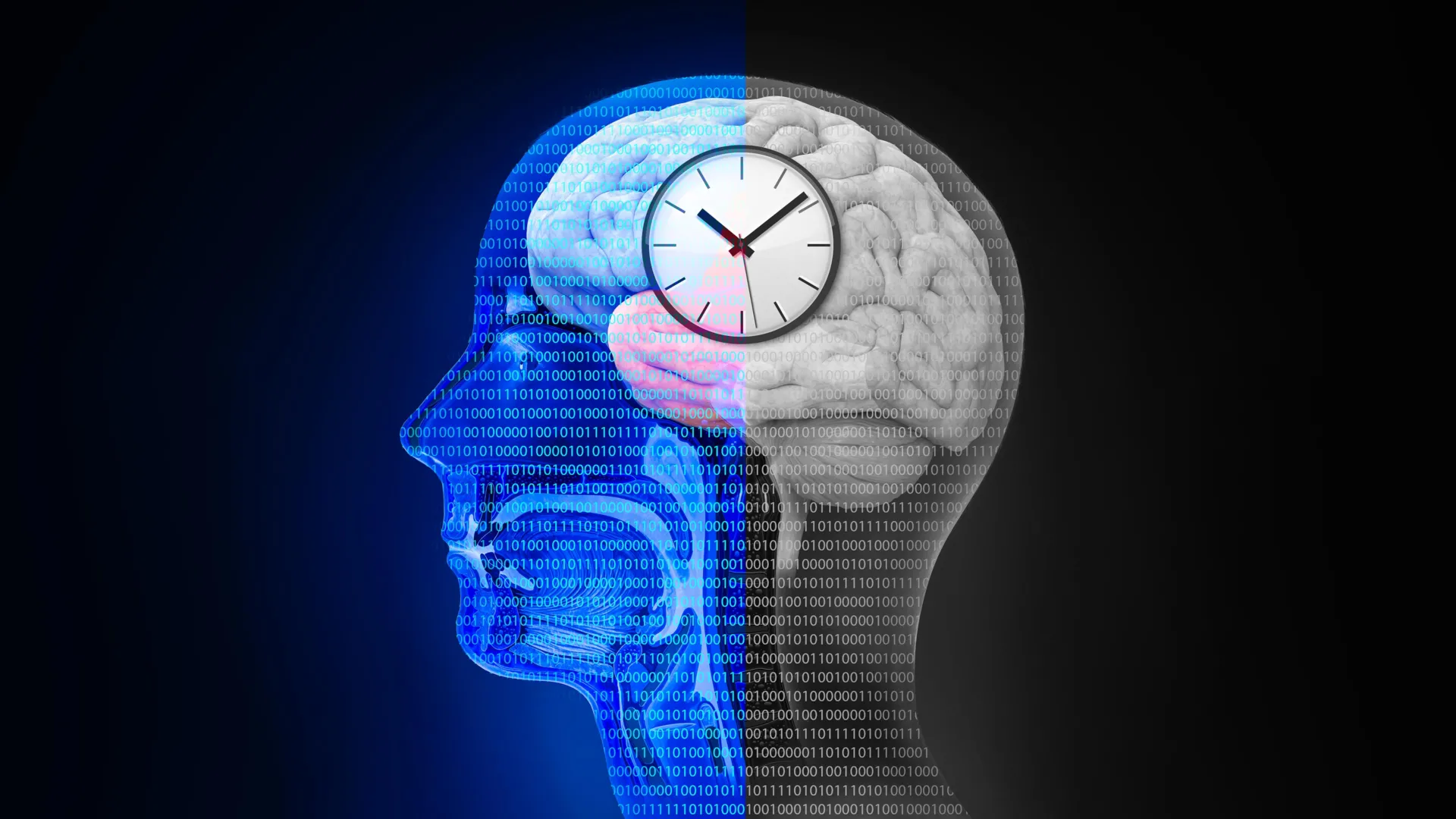
## Restoring Circadian Rhythm Function Shows Promise in Alzheimer’s Disease Models
New research from Washington University school of Medicine in st. Louis suggests that bolstering the body’s natural daily rhythms may offer a novel therapeutic avenue for Alzheimer’s disease. published in *Nature Aging*, the study details how manipulating a key protein involved in circadian regulation can reduce damaging tau buildup and protect brain tissue in mouse models of the disease.
the research, led by Erik Musiek, MD, PhD, and first author Jiyeon Lee, PhD, focused on the protein REV-ERBα, a regulator of metabolism and inflammation tied to the body’s 24-hour clock. Previous studies indicated REV-ERBα influences levels of nicotinamide adenine dinucleotide (NAD+), a crucial molecule for cellular energy, DNA repair, and overall metabolic health. declining NAD+ levels are a hallmark of both brain aging and neurodegenerative diseases.
Researchers investigated the impact of reducing REV-ERBα activity in mice. They observed that genetically deleting the protein – both throughout the body and specifically within astrocytes, supportive cells in the brain – led to a meaningful increase in NAD+ levels. This suggests that inhibiting REV-ERBα directly enhances NAD+ production within the brain.
Further experiments confirmed this protective effect. Blocking REV-ERBα, using both genetic techniques and a newly developed drug already under investigation for amyloid-β and Parkinson’s disease, not only raised NAD+ levels but also mitigated brain damage associated with tau protein accumulation. Tau aggregates are known to disrupt neuronal function and are a key characteristic of Alzheimer’s disease.
these findings indicate that restoring optimal function to the body’s internal clock, specifically through REV-ERBα inhibition, could represent a new strategy for preventing tau buildup and potentially slowing or halting the progression of Alzheimer’s disease. The research highlights the critical link between circadian rhythm health and brain resilience, opening doors for future treatments focused on resetting and reinforcing these vital biological processes.
