
Ancient Egypt’s ’Akhenaten Plague‘ Debunked by New Archaeological Evidence
LUXOR, EGYPT – A long-held belief that a devastating plague wiped out the ancient Egyptian city of Akhetaten, built by the pharaoh Akhenaten, has been challenged by new archaeological research.A study published in the American Journal of Archaeology reveals evidence suggesting the city’s decline was a gradual process linked to shifting royal policies and socioeconomic stressors, rather than a sudden, catastrophic epidemic.
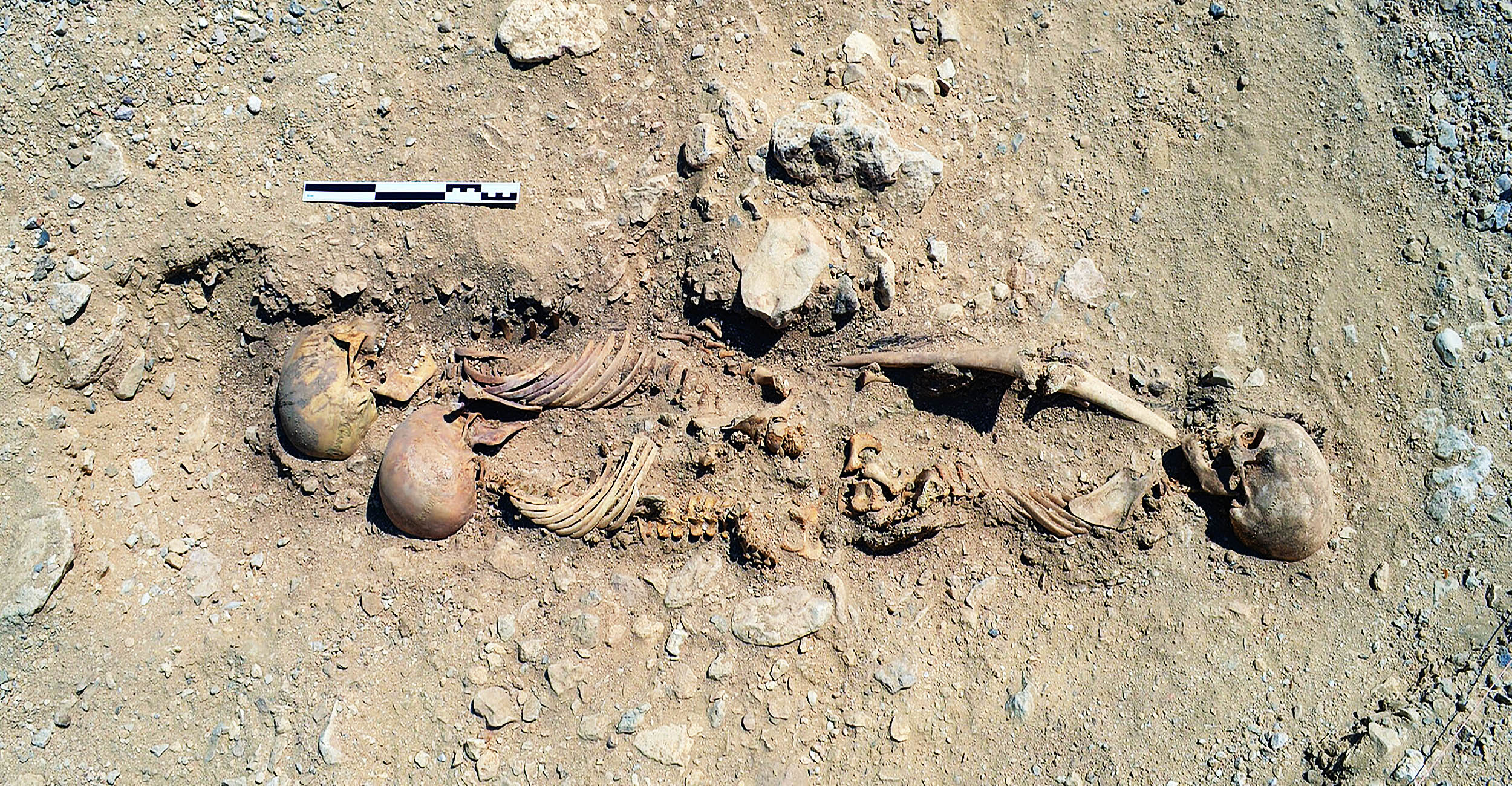
For years, historical accounts and artistic depictions of disease deities fueled the narrative of a lethal outbreak coinciding with Akhenaten’s reign. However, researchers meticulously examined burial sites, skeletal remains, and city layers at Akhetaten, finding no supporting evidence of a mass-mortality event.
“A true mass-mortality year would create a sharp bulge in the count, and the cemeteries do not show it,” researchers state. Rather, burials were found to be methodical, and the city demonstrates continued remodeling and activity during its period of use. The capital didn’t disappear overnight, but rather “shrank as royal policy shifted after the Akhenaten plague, and some people stayed on for years.”
One northern cemetery, containing a disproportionate number of young adults and shared graves, was initially considered a key indicator of plague. However, analysis revealed the individuals likely comprised a workforce subjected to high workloads, poor diet, and resulting stress – a dangerous combination that elevates mortality without requiring a single “killer pathogen.”
The research team emphasized the importance of considering “taphonomy,” the post-mortem changes to remains, and the concept of “syndemic,” linked health problems that exacerbate each other. These factors, they argue, can explain increased mortality rates without a single catastrophic disease event.
The study serves as a reminder to rigorously test historical narratives against local archaeological data. “evidence from graves, bones, and city layers agrees. Akhetaten reads like a stressed but functioning city, not a community cut down by a lethal epidemic,” the researchers conclude. The findings demonstrate how scientific examination can refine and rewrite established historical understandings.
