
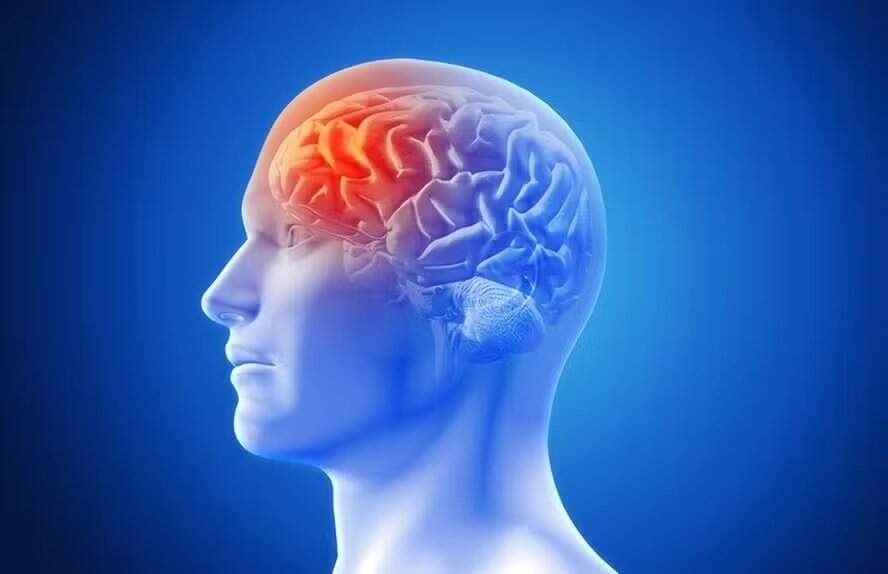
Three Pillars to Protect Your Brain: Cardiologist Reveals Key Stroke Prevention Strategies
By Radio Pampa Editorial | November 20, 2025
Cardiologist Jorge Tartaglione is urging proactive stroke prevention, emphasizing that lifestyle choices play a significantly larger role than genetics in safeguarding brain health. He outlines three fundamental strategies individuals can adopt to dramatically reduce their risk.
“While genetics contribute to around 25% of stroke cases, a full 75% is tied to overall health,” explains Tartaglione, highlighting the power individuals have to influence their fate. “A stroke isn’t a sudden event; it’s the culmination of factors developing over a lifetime.”
His first suggestion is consistent physical activity. “Physical activity is the best vaccine,” he asserts, advocating for regular movement as a cornerstone of prevention. Alongside exercise, Tartaglione stresses the importance of a natural, whole-foods diet.”Eat what your grandfather would recognize as food,” he advises, suggesting a return to simpler, less processed eating habits.
the third, and perhaps most surprising, pillar is cultivating strong social connections. Tartaglione points to a growing epidemic of loneliness as a significant risk factor. “We live in a time of great connection, but also of great loneliness,” he observes, emphasizing the need to nurture relationships and combat social isolation – what he terms strengthening your “social muscle.”
Tartaglione also underscores the critical importance of rapid response in the event of a stroke. ”In Argentina, a stroke occurs every four minutes, resulting in approximately 130,000 cases annually,” he states. “Every minute, around two million neurons die. The time it takes to call emergency services (107) can be life-altering.”
He cautions that certain lifestyle factors are contributing to an increase in strokes, particularly among younger individuals. “We’re seeing more young people experiencing strokes due to the westernization of society and associated lifestyle choices, and cocaine consumption is a contributing factor.”
To illustrate the impact of a stroke, Tartaglione uses a helpful analogy: “Think of your brain as a city with highways. If those highways become blocked – like an accident in the case of a hemorrhagic stroke, or a collapsed bridge in the case of an ischemic stroke – energy can’t reach vital areas.”
Recognizing the warning signs is also crucial. Tartaglione advises immediate attention to symptoms such as sudden vision loss in one eye, weakness in one arm, difficulty speaking, or a drooping facial corner.
(With O Globo)
