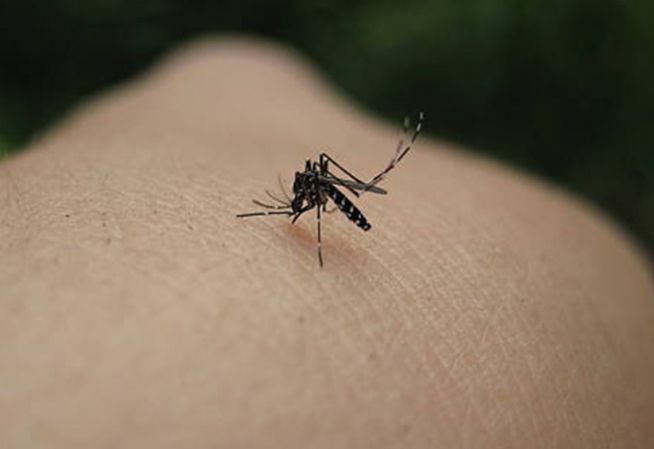
Tiger Mosquito Alerts and Prevention Innovations in Lons-le-Saunier
Public health authorities in Lons-le-Saunier have issued a red alert following the confirmed establishment of the invasive Aedes albopictus, commonly known as the tiger mosquito, within the Jura department. According to the Regional Health Agency (ARS) Bourgogne-Franche-Comté, the species poses a significant vector-borne disease risk, specifically regarding the transmission of dengue, chikungunya, and Zika viruses, necessitating immediate environmental management to prevent local outbreaks.
Key Clinical Takeaways:
- The Aedes albopictus mosquito has successfully colonized the Lons-le-Saunier area, shifting the region from a monitoring zone to an active surveillance and intervention status.
- Clinical risk is tied to the mosquito’s role as a biological vector; individuals presenting with unexplained febrile illness in these areas should seek prompt diagnostic evaluation.
- Effective suppression relies on the elimination of micro-stagnant water sources, which serve as the primary nidus for larval development.
Epidemiological Risks and Vector Competence
The tiger mosquito is characterized by its aggressive daytime biting habits and high vector competence for several arboviruses. Per the latest guidance from the World Health Organization (WHO), the pathogenesis of these infections often begins with a non-specific febrile illness, which can progress to severe systemic complications depending on the viral load and host immunity. In the context of Lons-le-Saunier, the primary clinical concern is the introduction of imported cases that could lead to secondary autochthonous transmission—cases where the virus is acquired locally rather than during international travel.

According to epidemiological data published in PubMed-indexed journals regarding Aedes population dynamics, the species thrives in urbanized environments where human-made containers provide stable larval habitats. Unlike indigenous mosquito species, Aedes albopictus eggs exhibit desiccation resistance, allowing them to survive in dry environments until subsequent rainfall triggers hatching. This biological resilience makes traditional vector control programs difficult to maintain without sustained community participation.
The Shift Toward Sterile Insect Technique (SIT)
As traditional chemical larvicides face growing scrutiny due to potential environmental toxicity and the development of insecticide resistance, regional authorities are exploring innovative biological controls. France 3 Régions recently highlighted the deployment of “sterile insect” programs, a method where male mosquitoes are sterilized via irradiation or bacterial symbionts—such as Wolbachia—to disrupt the reproductive cycle. This methodology, often developed through partnerships between national research institutes like INRAE and private biotech entities, represents a shift toward targeted, non-chemical interventions.
“The objective of these biological interventions is to achieve population suppression without disrupting the local ecosystem’s trophic balance,” notes Dr. Jean-Pierre Vallet, a specialist in tropical medicine and vector-borne diseases. “By targeting the reproductive capacity of the Aedes population directly, we mitigate the reliance on broad-spectrum pesticides that carry their own set of contraindications for local biodiversity.”
Clinical Triage and Diagnostic Vigilance
For residents in the Jura department, the current medical standard of care involves heightened awareness of symptoms following mosquito exposure. Healthcare providers are advised to consider arboviral testing for patients presenting with acute arthralgia, rash, or retro-orbital pain, particularly if they have recently traveled to endemic regions or reside in proximity to identified mosquito breeding sites. For those concerned about persistent symptoms or requiring specialized diagnostic testing, consulting with vetted board-certified infectious disease specialists is recommended to ensure accurate laboratory confirmation and management.

Furthermore, medical practices and diagnostic centers operating in the Bourgogne-Franche-Comté region must ensure their diagnostic protocols are aligned with the latest European Centre for Disease Prevention and Control (ECDC) guidelines for early detection. Entities requiring updated diagnostic kits or specialized training in viral serology should engage with accredited diagnostic laboratory services to maintain operational readiness in the face of potential seasonal surges.
Mitigation Strategies and Environmental Hygiene
The proliferation of Aedes albopictus is inextricably linked to human activity. According to reports from the city of Clichy and similar municipal initiatives across France, the most effective prophylactic measure remains the systematic elimination of stagnant water. This includes clearing gutters, covering rain barrels, and removing discarded containers that collect water after precipitation. These actions reduce the environmental carrying capacity, thereby lowering the probability of local viral transmission cycles.
The transition from monitoring to active intervention in Lons-le-Saunier serves as a reminder of the evolving nature of public health threats in temperate zones. As the climate shifts, the geographic range of tropical vectors continues to expand, necessitating a more integrated approach between municipal infrastructure, local clinical providers, and public health policy. For healthcare administrators or private practice managers looking to bolster their response protocols, retaining the services of specialized healthcare compliance advisors can provide the necessary framework to navigate the regulatory requirements associated with emerging infectious disease reporting.
Disclaimer: The information provided in this article is for educational and scientific communication purposes only and does not constitute medical advice. Always consult with a qualified healthcare provider regarding any medical condition, diagnosis, or treatment plan.