TierWelt: Male Bumblebees Warm Brood and Boost Nest Growth
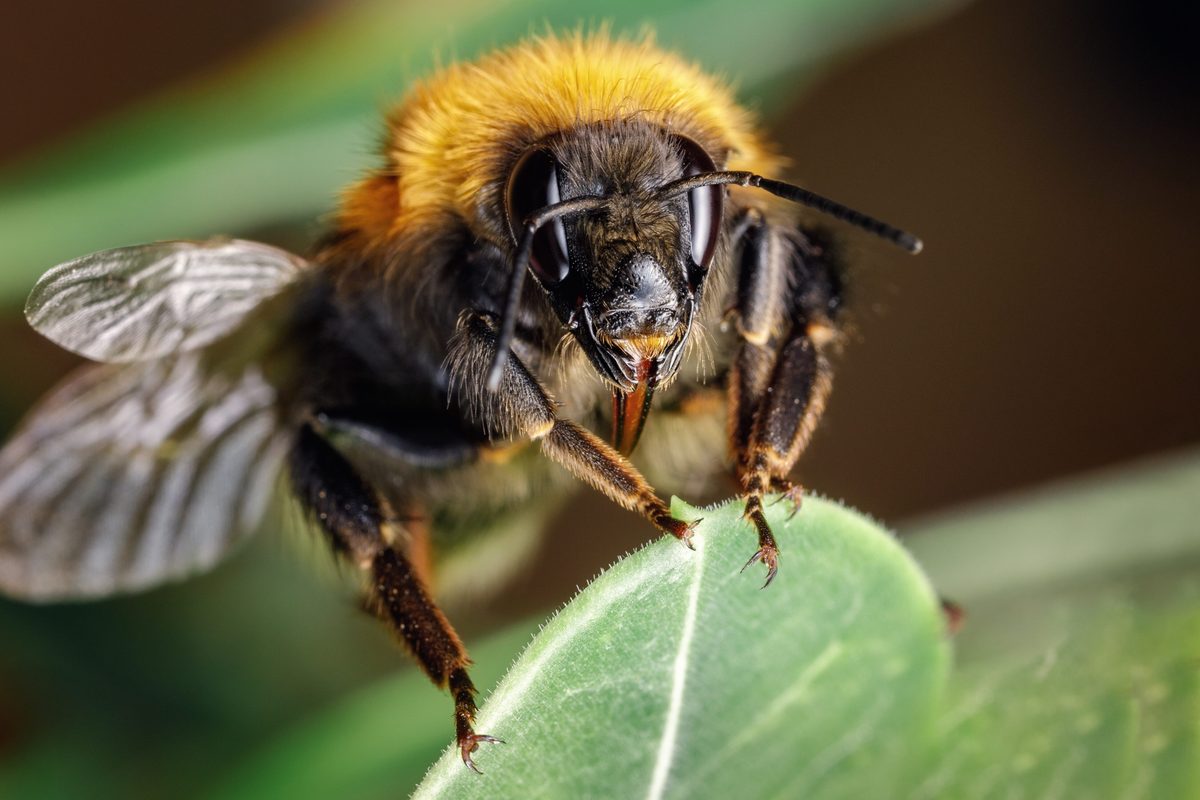
Male bumblebees warmed brood clusters in laboratory nests by adopting the characteristic incubating posture, researchers at the University of California, Riverside found.
Entomologist Meghan Moore observed the behavior while using a thermal camera for a separate experiment, according to TierWelt. Males in the incubating posture maintained brood temperatures averaging 34.8 degrees Celsius, compared with about 31 degrees for males standing on the brood without the posture. Incubating queens reached roughly 37.2 degrees.
In bumblebee nests the work has long been considered a female task: the queen founds the colony, her daughters rear the young, and the males leave the nest after hatching to mate. The only previous suggestion otherwise came from a 1980s study by entomologist Sydney Cameron that went largely unnoticed.
“The researchers suspect this may protect sperm, but stress that the idea is untested,” TierWelt reported.
Moore and entomologist Hollis Woodard placed 75 mated queens in nest boxes, some alone and others with one, three or five males. No workers were present. Queens housed with five males laid their first eggs after about six days, versus roughly 15 days for solitary queens.
After 28 days, nests with five males contained an average of 49 eggs, larvae and pupae, while solitary-queen nests held about 33. Only nests with five males produced new adult workers in that period, averaging about five.
Whether male warmth caused the faster growth remains unproven, the authors said. Laboratory conditions were artificial: wild nests typically contain queens and workers, with males appearing late in the season. Males in the experiment could not fly away, which may have encouraged brooding. In a smaller test, researchers also observed males incubating in nests that contained workers.
The University of California, Riverside established its research foundation in 1907 as the UC Citrus Experiment Station, conducting early work in biological pest control that positioned it as a center for applied entomology.
By documenting a behavior long overlooked in bumblebee social dynamics, the research aligns with the campus’s broader emphasis on uncovering functional traits that affect colony development and pollinator resilience.
What the brood care costs males physiologically was not measured.