
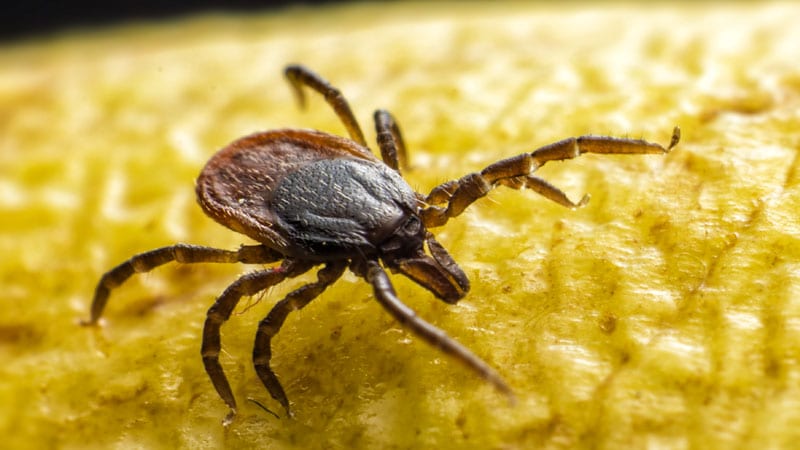
This text discusses a disease caused by a virus transmitted primarily by tick bites, specifically from the Ixodes genus.Here’s a breakdown of the key points:
Why the Concern?
Transmission Routes:
Tick bites: The main method of transmission. Raw milk products: A newer, observed transmission route since 2020, previously not seen in France. Geographical Spread: the virus is spreading beyond its historical stronghold in Alsace, France.
Increased cases: There’s an overall increase in cases across Europe,regardless of transmission route.
Severity: while infections are relatively rare in France (around 30 cases annually), they can have serious and long-term consequences.
10-30% of infected peopel develop flu-like symptoms.
20-40% of those with symptoms develop neurological issues like meningitis, leading to long-term disability and loss of autonomy.
Economic Impact: The disease costs France an estimated 3 million euros annually due to healthcare, lost income, and reduced quality of life.
Who is at risk?
High-Risk Groups (Tick Bites):
Breeders and foresters: They are 13 times more likely to be infected due to increased exposure to tick bites.
High-Risk Groups (Raw Milk Consumption):
Consumers of raw milk products: Particularly those made from raw goat milk, which seem to pose a higher risk than products from other animals. This is linked to animals producing the milk being bitten by infected ticks.
Auvergne-Rhône-Alpes region: This region is particularly at risk due to the virus’s circulation and a high number of goat farms with outdoor access.
How to improve Prevention?
ANSES (French Agency for Food,Environmental and Occupational Health & Safety) recommends improving virus monitoring and implementing preventive measures:
Enhanced Surveillance:
Include domestic and wild sentinel animals (goats,cows,deer) in surveillance.
Monitor dairy products and ticks themselves. Current surveillance relies on human encephalitis cases, which are late indicators.
Transmission Avoidance Measures:
For milk contamination:
Limit tick exposure for milk-producing animals by using fences to keep them away from tick-prone areas (wooded areas, hedges).
Implement pasture rotation.
Emergency measure: Pasteurize milk if human cases occur or if the virus is detected in collected milk.
For individuals:
Wear long clothing when in the wild, especially forests, to prevent tick bites.
Inform the general population, exposed workers, and health professionals about the risks.
