
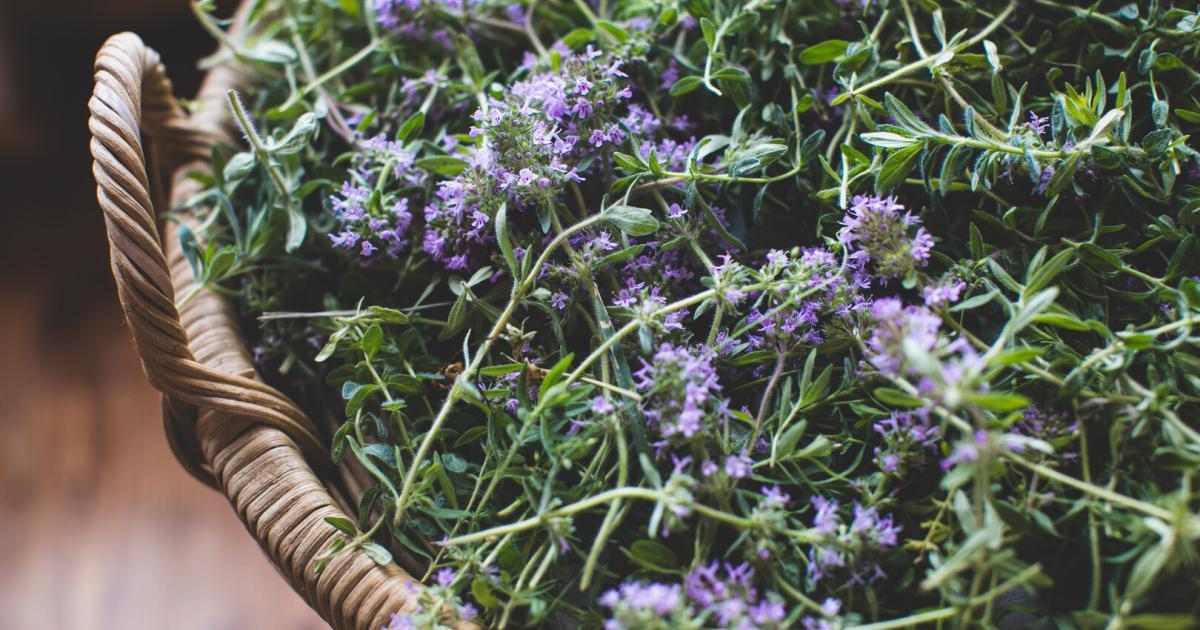
Small Herb with Great Strength: The Power of Thyme
A recently uncovered and impressively restored monastery complex, often referred to as the “monastery under the monastery,” features beautifully staged gardens, each designed to nourish the soul and senses. Among these is the pharmacy garden,recreated in 2007 based on a ancient template from 1830. Here, herbal teacher Manuela Apfelthaler-Prohaska shares knowlege about local herbs.
in a recent autumn workshop, participants expressed interest in strengthening their immune defense and preventing or quickly recovering from cold diseases. Apfelthaler-Prohaska highlighted real thyme ( Thymus vulgaris) as a especially effective plant. Despite being one of the oldest medicinal herbs in Europe, she noted it’s often overlooked.
“It’s an absolute power plant,” she stated, pointing out its attractive pink to violet flowers. The plant contains a variety of secondary plant substances including flavonoids, tanning and bitter substances, as well as essential oils – thyme, Geraniol and carvacrol – which exhibit antibiotic properties. Historically, thyme was known as the “antibiotic of the poor people.” These ingredients collectively possess anti-inflammatory, antibacterial, and antiviral effects.
Beyond these compounds,thyme provides vitamins,including vitamin C,and minerals like iron and zinc,all contributing to immune system support. The bitter substances within thyme also regulate digestion, further bolstering immunity. These effects were recognized in ancient times, even before scientific justification. The word “thymos” itself, derived from Greek, translates to strength or courage.Apfelthaler-Prohaska explained that Roman soldiers historically took thyme baths before battles for physical strengthening.
Real thyme is a versatile home remedy for cough and hoarseness, bronchitis, asthma, and inflammation in the mouth and throat.Apfelthaler-Prohaska prepares tea, syrup, and honey from thyme. She also recommends a jojoba oil-based oil extract, used dropwise for inhalations, infusions, and foot/tub baths.Thyme is also a frequent addition to everyday cooking, used in spreads, spice salts, and sauces.
Applications:
* Thyme Tea: Pour 2 teaspoons of dried thyme over 1/2 liter of boiling water and steep for 15 minutes.
* Thyme Oil: Fill a bottle with cut thyme and cover wholly with oil (jojoba oil is recommended). let sit in a dark place for four to six weeks, then strain through a coffee filter and store in a dark container. Use drops for inhalations or as a base for ointments.
* Thyme Honey: Steep fresh thyme in honey for several weeks.
* Fresh Thyme: Use in spreads, sauces, and as a spice salt.
