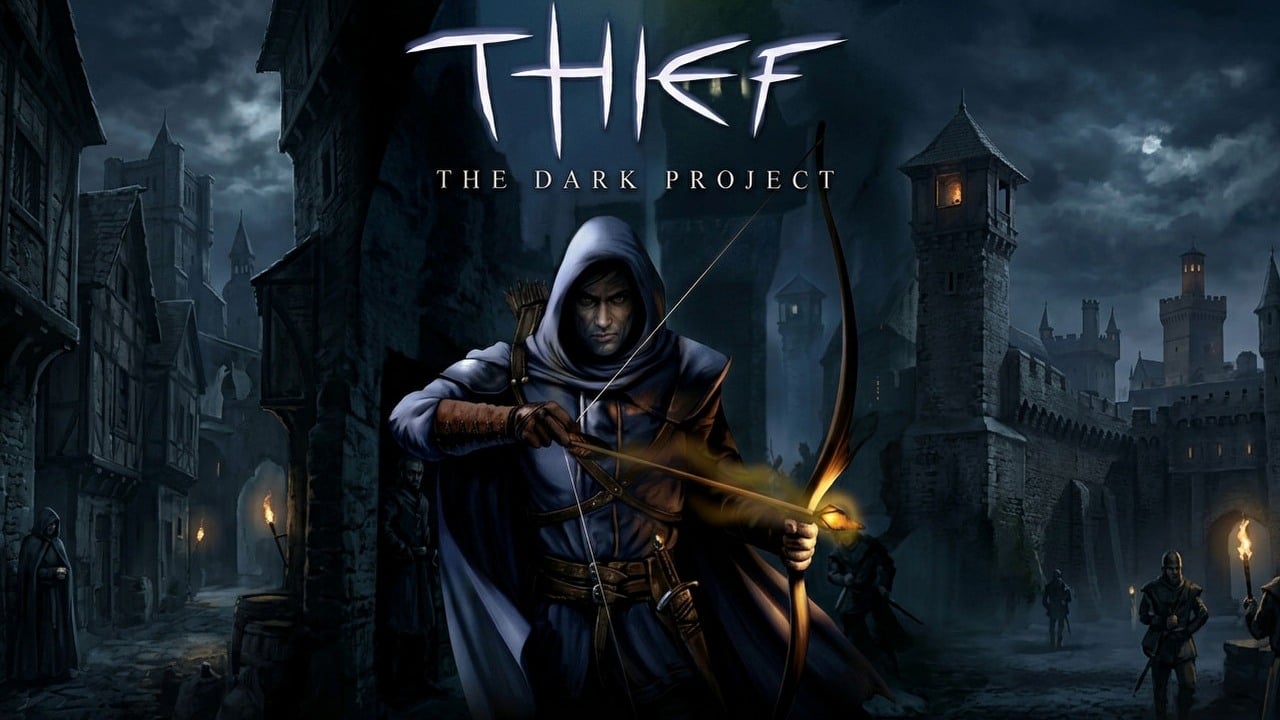
Thief Creator on the Decline of Immersive Sims and the Cost of Deus Ex
Warren Spector, the designer behind the original Thief: The Dark Project, has stated that the high-budget "AAA" development model is fundamentally incompatible with the immersive sim genre. According to Spector, the financial requirements of modern large-scale productions create a threshold for success that immersive sims, by design, struggle to meet.
The Scaling Problem in Game Development
Spector argued that a Deus Ex title produced with a $250 million budget is unlikely to perform better commercially than one developed for a significantly smaller $3 million investment. The primary issue, as identified by Spector, lies in the relationship between development costs and the niche nature of immersive sims—games that prioritize player agency, complex systems, and systemic interaction over linear, high-fidelity spectacle.
When a project requires hundreds of millions of dollars to recoup its investment, developers are often forced to prioritize mass-market appeal. Spector noted that this pressure often results in the dilution of the very mechanics that define the genre. By chasing the widest possible audience to cover ballooning production costs, studios frequently simplify systemic depth, ultimately alienating the core audience that sustains the genre while failing to capture the broader market.
Genre Sustainability and Market Realities
The designer’s assessment highlights a recurring tension within the gaming industry: the "middle-market" gap. While independent developers continue to produce smaller-scale immersive sims, the transition of these titles to major publisher portfolios often necessitates massive budgets that the genre’s gameplay loop may not support.
Spector’s perspective suggests that the industry’s reliance on massive, multi-year production cycles creates a rigid structure where titles must become "everything to everyone" to justify their existence. For immersive sims, which rely on emergent gameplay and player choice, this objective often conflicts with the need for predictable, polished, and accessible experiences that characterize current top-tier releases.
As of late 2024, major publishers continue to weigh the viability of high-budget systemic games against the shifting preferences of global players and the rising costs of engine development. No official announcements regarding the future of the Deus Ex franchise have been made by Embracer Group, which holds the intellectual property rights following its 2022 acquisition of Eidos-Montréal.