
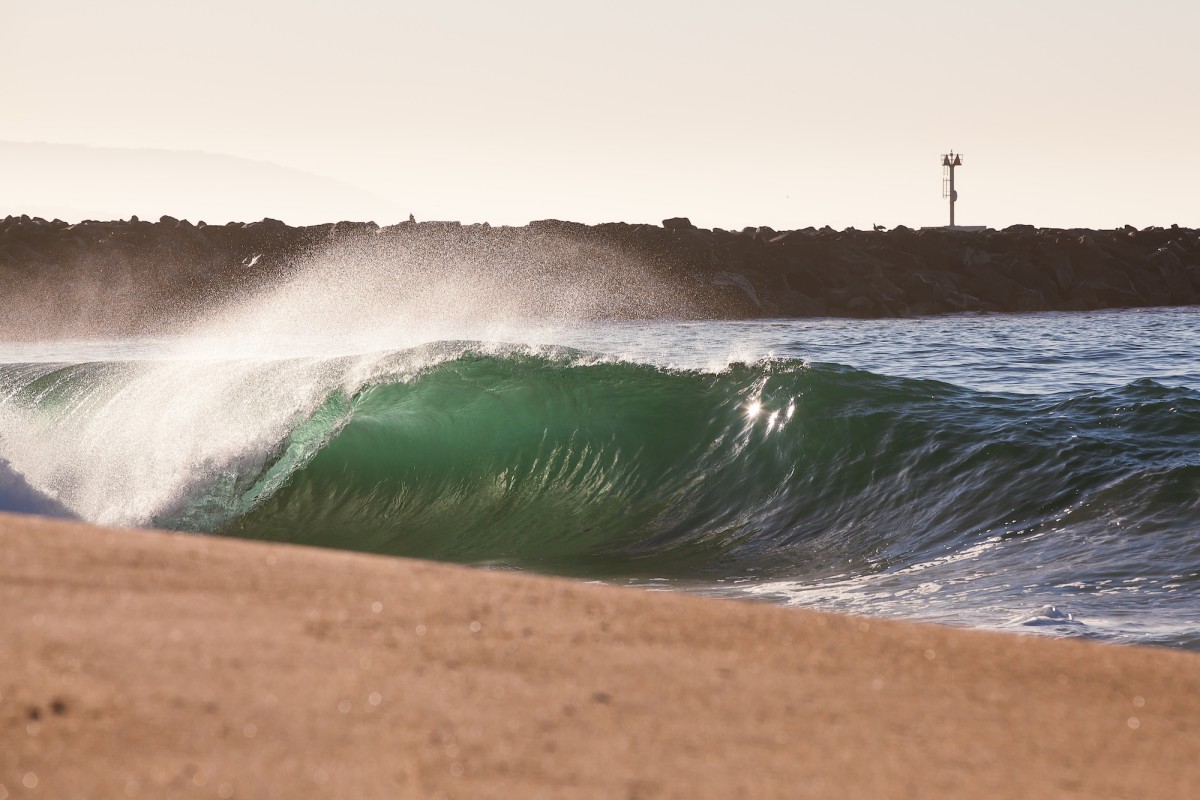
The Wedge: Anatomy of a Legendary – and Risky – Surf Break
The Wedge, located in Newport Beach, California, isn’t just a surf spot; it’s a spectacle. Famous for its incredibly powerful, closeout waves, it draws surfers and onlookers alike, all captivated by the raw energy and inherent risk. While many surf breaks gently roll and reform, The Wedge explodes. This article delves into the history, science, dangers, and enduring allure of this iconic wave, exploring why it continues to challenge and inspire the surfing world. For a visceral understanding, the documentary Dirty Old Wedge is essential viewing – a raw, honest portrayal of the break’s culture and the personalities who’ve tamed (and been humbled by) it.
A History Forged in Engineering and Localism
The Wedge’s story begins not with nature alone,but with human intervention. In the 1930s, the Army Corps of Engineers constructed a jetty to prevent sand from silting up the entrance to Newport Harbor. https://www.newportbeachca.gov/government/departments/public-works/beach-operations/the-wedge This seemingly innocuous project inadvertently created the conditions for the monster waves The wedge is known for.
The jetty disrupted the natural flow of sand, causing it to accumulate and create a steep underwater sandbar. When swells hit this formation,the wave’s energy is compressed and refracted,resulting in a massive,breaking wave that slams down with tremendous force. Initially,the area was a popular spot for bodysurfing,attracting a dedicated local crowd.
For decades, The Wedge remained a fiercely guarded secret among Newport Beach residents. A strong sense of localism prevailed, and outsiders were ofen met with hostility. This protective attitude,documented extensively in Dirty Old Wedge,shaped the break’s unique culture and contributed to its legendary status. The documentary highlights the decades of tradition and the tight-knit community that defined The Wedge before it gained wider recognition.
The Science Behind the Slam: wave Dynamics at play
Understanding The Wedge requires a grasp of basic wave dynamics. Moast waves break when the water becomes too steep – typically a wave height-to-wavelength ratio of around 3:1.The wedge, however, breaks because of the jetty. Here’s a breakdown:
* Refraction: As swells approach the shore at an angle, the jetty causes the waves to bend (refract). This concentrates wave energy towards the Wedge.
* Compression: The converging waves are squeezed into a smaller area, increasing their height and steepness.
* Shoaling: As the wave approaches the shallow sandbar, its speed decreases, and its height increases further.
* Closeout: The wave becomes so steep that it breaks all at once, forming a “closeout” – a wave with no rideable face.
This process creates waves that can reach 15-20 feet on a moderate swell, and upwards of 30 feet during larger events. https://www.surfer.com/news/biggest-swells-ever-the-wedge-video The resulting impact is immense,capable of inflicting serious injury. The wave’s power isn’t just vertical; the turbulent water churns with amazing force, making even a triumphant ride a brutal experience.
The Dangers are Real: Injuries and safety Considerations
The Wedge is arguably one of the most dangerous surf breaks in the world. The closeout nature of the wave,combined with the shallow water and hard-packed sand,creates a recipe for disaster.Common injuries include:
* spinal Injuries: The force of the impact can easily cause compression fractures or other spinal damage.
* Broken Bones: Collisions with the sandbar or other surfers frequently result in broken limbs.
* Concussions: Being slammed by a wave can cause severe head trauma.
* Internal Injuries: the sheer power of the wave can cause internal organ damage.
As of these risks,The Wedge demands respect and preparation.Experienced surfers recommend:
* Thorough Knowledge of Conditions: Understanding swell direction, tide, and sandbar formations is crucial.
* Proper Equipment: A well-fitted wetsuit, impact vest, and helmet are essential.
* Buddy System: Never surf The Wedge alone.
* Physical Fitness: The wave requires a high level of physical conditioning and strength.
* Respect for Localism: While the atmosphere has become more welcoming, respecting the local community remains critically important.
Lifeguards are present during peak times, but even their response time can be limited given the speed and power of the waves. [https://www.nbclocalnews.com/news/local/wedge-surf-break-newport-beach-california/2764191/](https://www.nbclocalnews.com/news/local/wedge
