
The Ultimate Tour of Iconic Baseball Stadiums
Major League Baseball’s 30 stadiums have evolved from the 1912 opening of Fenway Park to the 2020 debut of Globe Life Field. This architectural progression balances tradition with high-tech retractable roofs and artificial turf to optimize revenue and player performance across diverse regional climates.
As we settle into the early season grind of April 2026, the physical environment of the game has become as critical as the roster construction. The “stadium” is no longer just a place where games are played; We see a high-stakes financial asset and a tactical variable. The disparity between the league’s oldest and newest venues creates a fragmented landscape where some teams fight the elements in open-air relics while others operate in climate-controlled laboratories. This infrastructure gap forces franchises to solve complex problems regarding player longevity and game-day revenue, often requiring the expertise of specialized stadium architects and construction firms to modernize aging footprints without erasing historical equity.
The Architectural Epochs of the National Pastime
The distribution of stadium construction reveals a league that moved in waves of modernization. The raw data shows a massive surge in the 2000s, with thirteen ballparks opening in a single decade, signaling a shift toward the “retro-modern” aesthetic. This era sought to capture the nostalgia of the 1910s—when Fenway Park first opened—while integrating the luxury amenities demanded by billionaire owners and corporate sponsors.
| Construction Era | Number of Stadiums | Key Characteristics |
|---|---|---|
| 1910s | 2 | Foundational, tradition-heavy, open-air |
| 1960s – 1980s | 4 | Modernist, multi-purpose influence |
| 1990s | 7 | Rise of the “Retro-modern” movement |
| 2000s | 13 | Peak expansion, high-amenity integration |
| 2010s – 2020s | 4 | High-tech, retractable roofs, climate control |
The contrast is stark when comparing the league’s bookends. Fenway Park remains the oldest active site, embodying the constraints of early 20th-century urban planning. On the opposite complete, Globe Life Field, home of the Texas Rangers, represents the current pinnacle of the evolution. Opened in 2020, it eliminates the volatility of the Texas heat through a retractable roof, ensuring that ticket sales and broadcast quality remain consistent regardless of external weather patterns.
The Surface War: Natural Grass vs. Artificial Turf
The battle between playing surfaces is a divide between traditionalism and operational efficiency. Currently, twenty-five ballparks utilize natural grass, while five have pivoted to artificial turf. From a front-office perspective, turf is a business solution to the problem of versatility and maintenance costs. However, the physical toll on athletes is a recurring point of contention in the locker room.
The shift to artificial surfaces often increases the impact on a player’s joints, creating a higher risk for soft-tissue injuries. While the pros have access to elite team physicians, the broader athletic community—including youth and collegiate players—must be equally vigilant. High-performance athletes facing turf-related stress must secure vetted local orthopedic specialists and rehab centers to maintain their career trajectory and avoid chronic degradation.
Even among grass surfaces, the technology varies. Official MLB data highlights venues like American Family Field in Milwaukee, which blends the natural surface with a retractable roof to maximize the window of usability in the Midwest. This hybrid approach minimizes the “weather-out” risk that plagued the league for a century.
The Economics of Naming Rights and Brand Equity
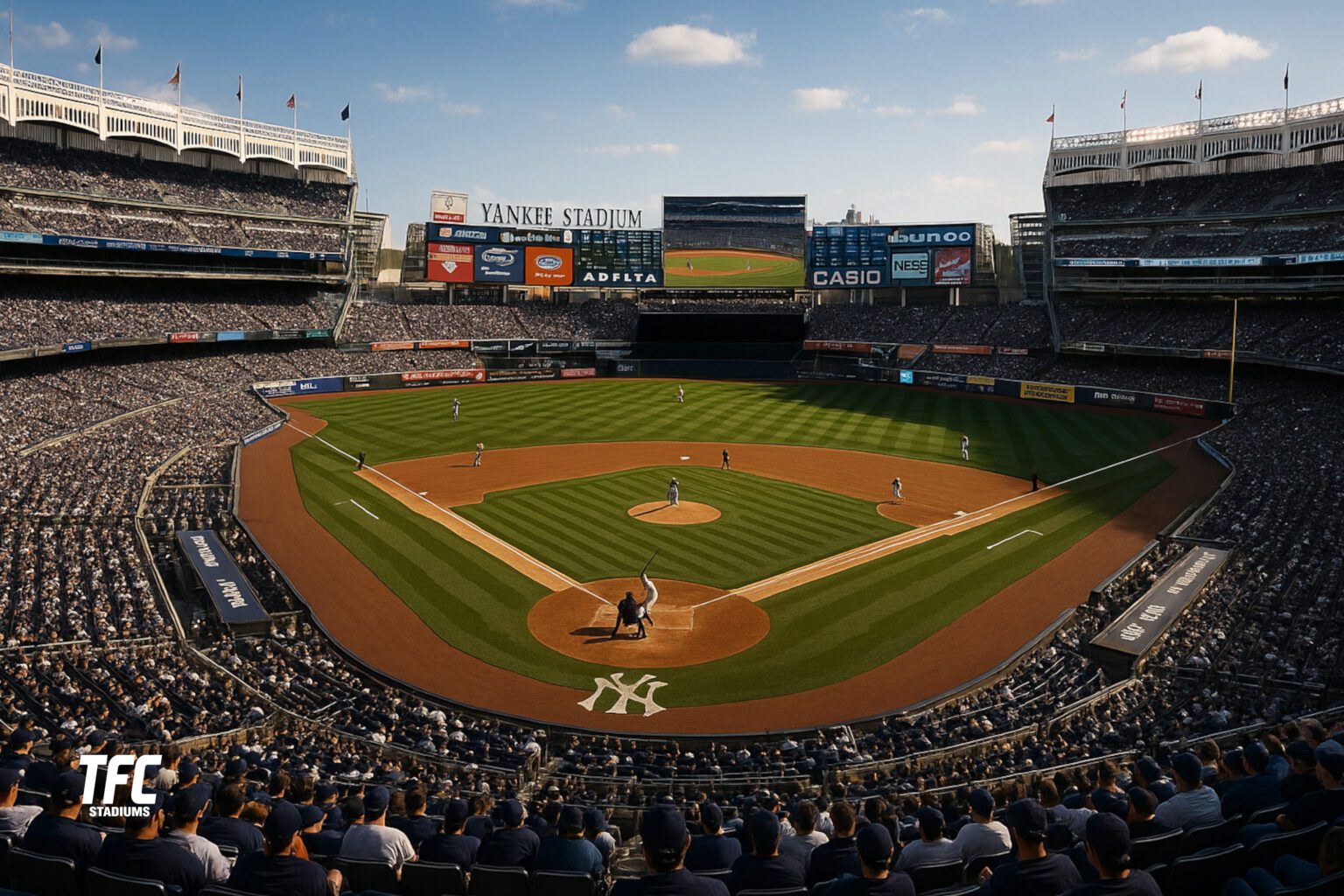
In the billionaire boardroom, the naming of a stadium is a tug-of-war between immediate liquidity and long-term brand prestige. Eight ballparks currently operate without corporate naming rights deals: Angel Stadium, Dodger Stadium, Fenway Park, Kauffman Stadium, Nationals Park, Oriole Park at Camden Yards, Wrigley Field, and Yankee Stadium. These franchises have determined that the “halo effect” of a historic name is more valuable than a recurring check from a corporate partner.

The Los Angeles Dodgers provide a masterclass in this nuanced branding strategy. While the team sold the naming rights of the field to Uniqlo, they maintained the overarching “Dodger Stadium” branding. This allows the franchise to capture a latest revenue stream without sacrificing the iconic identity of the venue. Negotiating these complex splits requires high-level corporate sports attorneys who can balance intellectual property rights with multi-million dollar sponsorship contracts.
The Athletics’ Logistical Purgatory
The most pressing infrastructure crisis in the league is currently centered on the Athletics. The franchise is operating in a state of temporary displacement, utilizing Sutter Health Park as a stopgap measure. This is not a sustainable tactical position, but a necessary survival strategy until their new stadium in Las Vegas is completed in 2028.
This relocation creates a massive logistical vacuum and a temporary economic shift for the host cities involved. The move to Las Vegas represents the ultimate evolution of the “Modern Marvel” concept—a stadium built not just for baseball, but as a centerpiece for a gambling and hospitality mecca. The transition will likely involve unprecedented integration of sports betting interfaces and luxury hospitality, further distancing the game from its 1912 roots.
The trajectory of MLB stadiums is clear: the league is moving toward total environmental control and maximized commercialization. As the gap between the “historic” and the “high-tech” widens, the winners will be the franchises that can modernize their infrastructure without alienating their fan base. For those navigating the business, legal, or medical fallout of this evolution, the World Today News Directory remains the primary resource for finding vetted professionals in the sports and commercial sectors.
Disclaimer: The insights provided in this article are for informational and entertainment purposes only and do not constitute medical advice or sports betting recommendations.