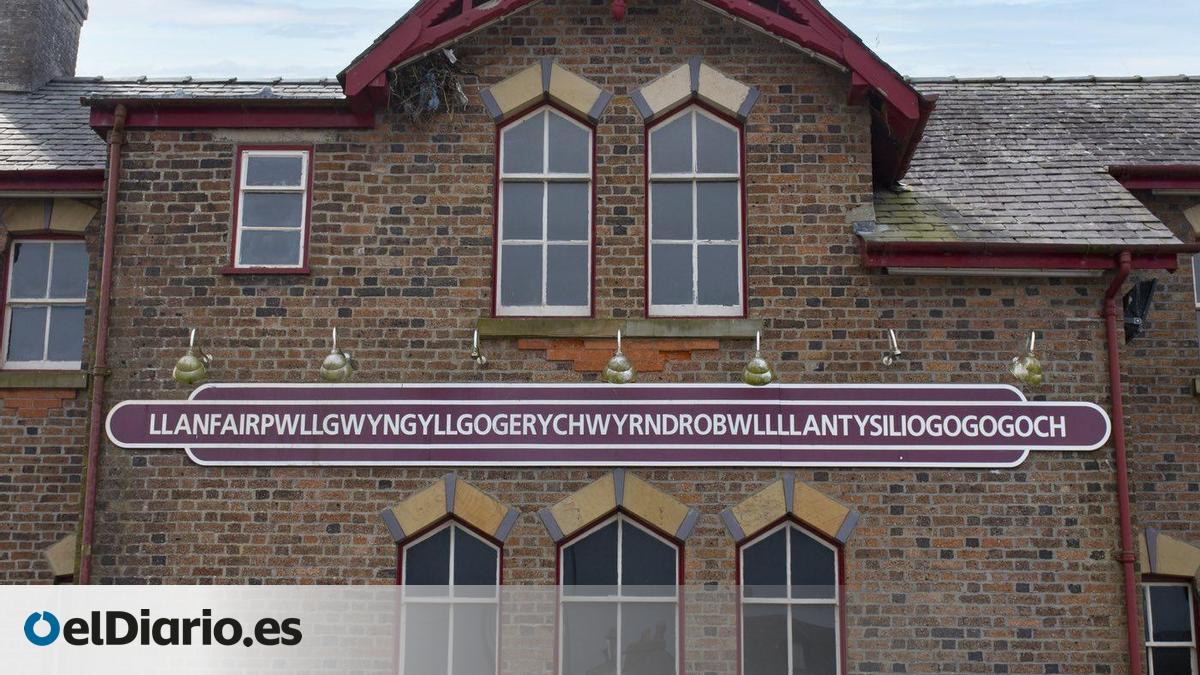
The Town With the Longest Name in Europe: Llanfairpwllgwyngyllgogerychwyrndrobwllllantysiliogogogoch
Llanfairpwllgwyngyllgogerychwyrndrobwllllantysiliogogogoch, a village on Anglesey Island in North Wales, holds the record for the longest official place name in Europe with 58 letters. The settlement of approximately 3,000 residents attracts global tourism due to its linguistic singularity and its strategic location near the Menai Strait.
The name is not an ancient accident. It is a calculated piece of 19th-century marketing. In 1860, a local resident pushed for the extension of the original name, Llanfair Pwllgwyngyll, specifically to attract travelers and secure the longest name for the village’s railway station. The strategy worked. What began as a bid for attention evolved into an official geographic designation that now defines the local economy.
How does the name translate and what does it describe?
The 58-letter string serves as a poetic map of the local landscape. Translated from Welsh, it means “The church of Saint Mary in the hollow of the white hazel near the rapid whirlpool and the church of Saint Tysilio by the red cave.”

This nomenclature follows a traditional Welsh pattern of naming settlements after nearby geographical landmarks. The “rapid whirlpool” refers to a dangerous section of the Menai Strait, the body of water separating the island of Anglesey from the mainland of Wales.
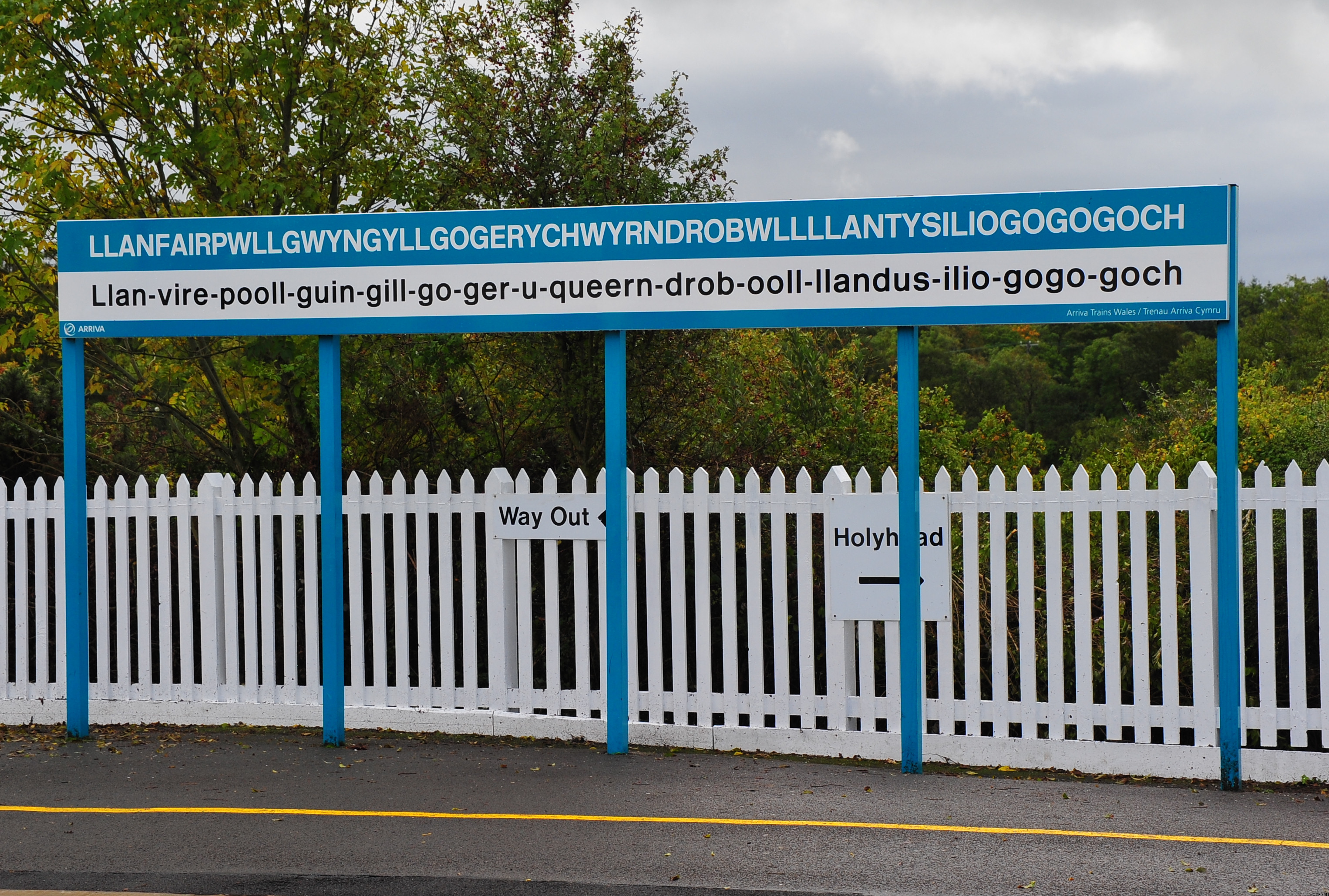
For visitors, the challenge is phonetic. Guidebooks often suggest breaking the word into segments such as “Hlan-vair-puhl-güin-guihl” and “go-gue-ra-juern-drob-uhl-hlan-ti-si-lio-go-go-goch.” The name’s complexity has created a niche industry of gift shops and passport-stamping services at the local town hall. Some railway employees have even reportedly required tourists to pronounce the full name before issuing tickets.
Why is the location historically significant beyond the name?
While the name draws the crowds, the geography of Anglesey offers deeper historical layers. The island was the final stronghold of the Celtic Druids before the Roman conquest, earning it the moniker “the island of the Druids.”
Infrastructure also plays a role in the region’s accessibility. The Menai Suspension Bridge, completed in 1826, connects the island to the mainland. Travelers often visit the column of the Marquess of Anglesey to view the strait, which links the bay of Liverpool with the bay of Caernarfon.
How does it compare to other long place names globally?
Llanfairpwllgwyngyllgogerychwyrndrobwllllantysiliogogogoch dominates Europe, but it faces stiff competition on a global scale. A hill in New Zealand holds the Guinness World Record for the longest place name with 85 characters: Taumatawhakatangihangakoauauotamateaturipukakapikimaungahoronukupokaiwhenuakitanatahu.
The New Zealand name translates to “The summit where Tamatea, the man with the big knees, the slider, climber of mountains, the land-swallower who travelled here and there, played his nose-flute to his loved one.” Unlike the Welsh village, this site is not a populated settlement.
Other contenders include the ceremonial name of Bangkok, Thailand, which contains 168 letters. However, the Bangkok name is largely absent from modern administrative use. In terms of active, inhabited locations, the Welsh village remains a primary global anomaly, with a name that exceeds the length of certain craters on Mars.
| Location | Letter Count | Status | Region |
|---|---|---|---|
| Llanfair…goch | 58 | Inhabited Village | Wales, Europe |
| Taumata…tahu | 85 | Geographic Hill | New Zealand |
| Bangkok (Ceremonial) | 168 | Administrative/Disused | Thailand |
What are the economic impacts of a “marketing” name?
The transition from a quiet village to a linguistic landmark has created a unique economic ecosystem. The primary activity for tourists is photographing the station sign or obtaining a commemorative stamp. This “curiosity economy” supports a cluster of small businesses and souvenir shops.

The village’s fame was further amplified in 2015 when presenter Liam Dutton went viral for his flawless pronunciation of the name on air, proving that the phonetic challenge continues to resonate in the digital age.
The legacy of the 1860 publicity stunt demonstrates the long-term power of strategic branding. While the village provides a scenic escape into the Welsh countryside, its identity is inextricably linked to a 160-year-old marketing play.