
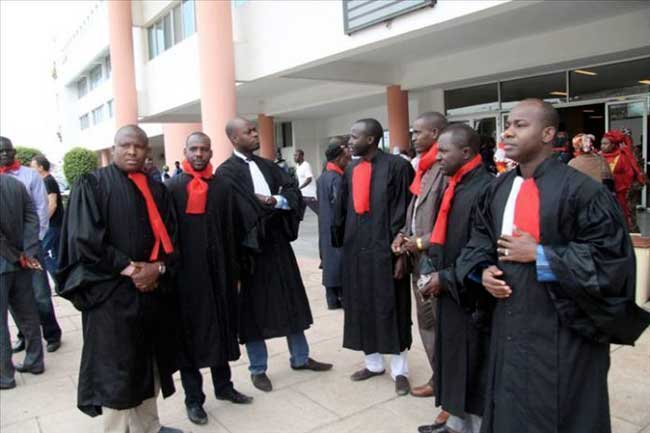
Senegalese Judiciary Ends Strike, Eyes Dialogue
Justice System Poised to Resume Operations After Two-Month Stoppage
A significant reprieve has arrived for Senegal’s judicial sector, ending an almost two-month period of significant disruption. Unions representing court staff announced on Wednesday, August 6, 2025, that they are suspending their strike, which began on June 18.
Unions Cite Hope in Ongoing Negotiations
The SYTJUST–UNTJ unions released a statement indicating their decision to halt the industrial action stems from a commitment to giving current negotiations with the government a genuine opportunity. This move aims to foster a more conducive environment for reaching a resolution.
Après bientôt deux mois de paralysie, un souffle de soulagement traverse le secteur judiciaire sénégalais. Le SYTJUST–UNTJ a annoncé, ce mercredi 6 août 2025, la suspension de son mot d’ordre de grève observé depuis le 18 juin. Dans un communiqué adressé à l’opinion publique, les deux syndicats expliquent leur décision par la volonté de donner une chance sérieuse aux pourparlers en cours avec le gouvernement.
— Sytjust-UNTJ (@du_greffier) August 6, 2025
The suspension arrives amid considerable strain within the judicial system. Numerous court dates have been rescheduled, cases have languished, and the pace of operations in various court services has dramatically slowed.
Legal Professionals Sounded Alarm
Earlier this week, the Bar Association of Senegal had raised concerns, highlighting the detrimental impact of the prolonged strike on citizens’ legal rights and the overall functioning of public justice. Their intervention underscored the urgency for a resolution.
According to a 2023 report by the World Justice Project, Senegal ranked 76th out of 142 countries in its Rule of Law Index, with particular weaknesses noted in regulatory enforcement and access to justice (World Justice Project 2023 Report).
Path to Restored Functionality
The cessation of the strike action opens a crucial period for constructive dialogue. Hopes are high that the grievances of the judicial workers will be addressed and that a sustainable agreement can be achieved.
The judicial sector, recognized as a fundamental pillar of the rule of law, now anticipates a return to its normal operational rhythm, ensuring it can effectively serve all litigants.
