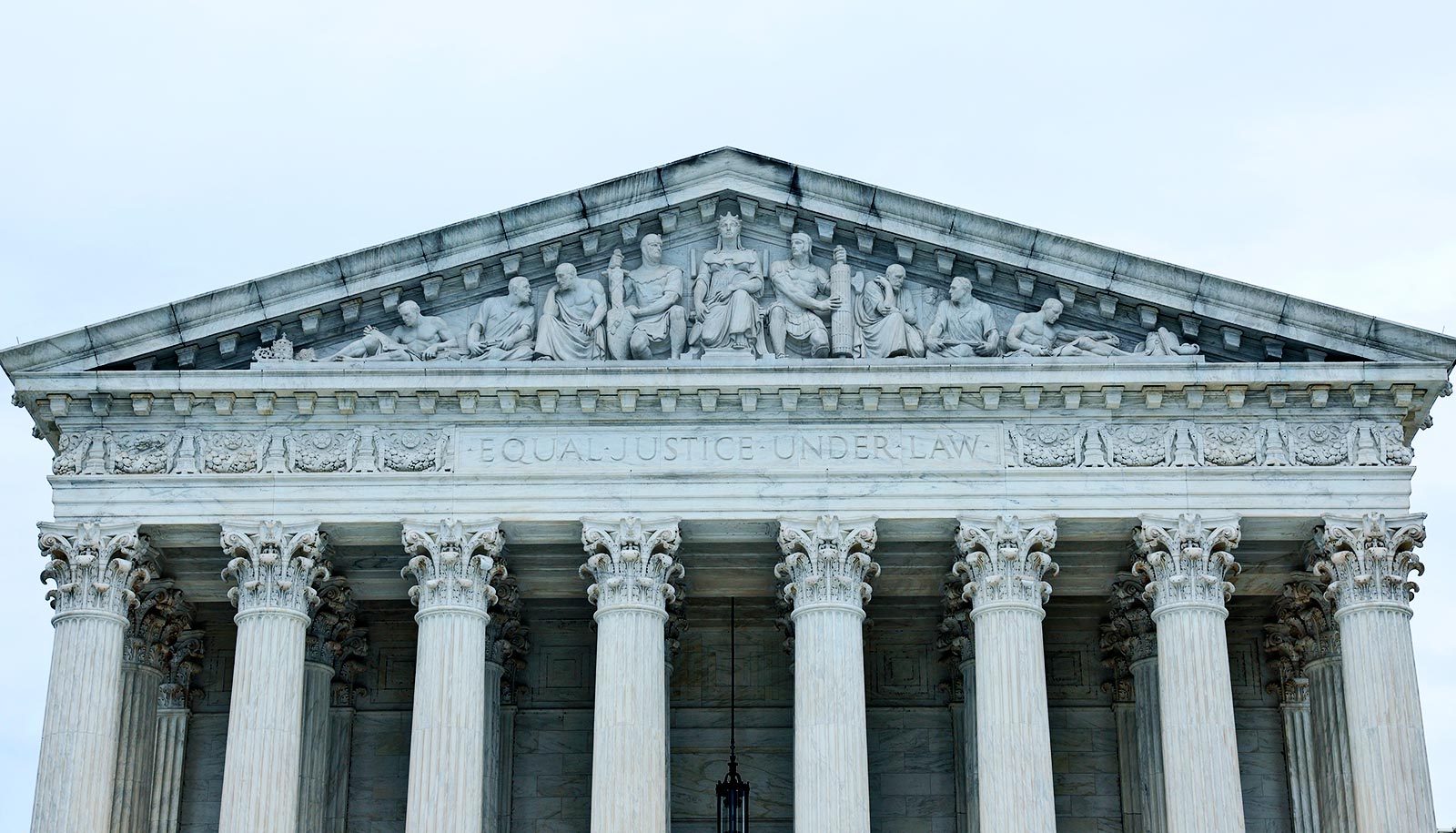
The Supreme Court’s Abortion Decision Reshapes US Politics
How the Supreme Court’s Abortion Decision is Reshaping US Politics
The Supreme Court’s 2022 decision in *Dobbs v. Jackson Women’s Health Organization* has profoundly altered the political landscape of the United States, according to a new analysis published in the book *Not Going Back* (Temple University Press, 2026). The ruling, which overturned *Roe v. Wade*, has triggered shifts in voter behavior, public trust in political institutions, and the prioritization of reproductive health policies at the state level.
- The *Dobbs* decision has correlated with a 12% increase in voter turnout among women in states with restrictive abortion laws, according to a 2025 Pew Research Center survey.
- Public confidence in the Supreme Court has declined by 8 percentage points since 2022, per a Gallup poll conducted in March 2026.
- Political polarization around reproductive rights has intensified, with 68% of respondents in a Kaiser Family Foundation study citing abortion as a critical issue in 2026, up from 42% in 2020.
The *Dobbs* decision has not only redefined access to reproductive healthcare but also catalyzed a reconfiguration of political alliances and legislative agendas. Coauthor Steve Greene, a professor of political science at North Carolina State University, notes that the ruling has “created a new axis of political conflict, where reproductive rights now function as a proxy for broader debates about federalism, individual liberties, and judicial legitimacy.”
Survey Data and Voter Behavior Shifts
A longitudinal study published in *The Journal of Politics* (April 2026) analyzed survey data from 2022 to 2026, revealing a significant realignment in voter priorities. In states with strict abortion bans, 57% of female voters reported prioritizing candidates who supported reproductive autonomy, compared to 34% in states with permissive laws. This trend has led to a 15% rise in political donations to organizations advocating for reproductive rights, according to the Center for Responsive Politics.

“The decision has forced voters to confront the direct consequences of judicial rulings on their personal lives,” said Dr. Lisa Nguyen, a political epidemiologist at the University of California, San Francisco. “This is not just about abortion; it’s about the perceived power of the judiciary to shape everyday realities.”
Funding and Transparency in Political Analysis
The research underpinning *Not Going Back* was funded by the Russell Sage Foundation, a nonprofit dedicated to improving understanding of social, political, and economic institutions. The study’s methodology, which included a meta-analysis of 12 state-level polling datasets, was peer-reviewed and published in *Political Science Quarterly* (March 2026).
The report highlights a 22% increase in state-level legislation targeting reproductive healthcare since *Dobbs*, with 37 states enacting laws restricting or expanding access. These changes have disproportionately affected low-income and rural populations, as noted in a 2025 study by the Guttmacher Institute. “The political ramifications are inextricably linked to health inequities,” said Dr. Emily Torres, a public health researcher at the University of Michigan. “Policymakers must address both the legal and socioeconomic dimensions of this crisis.”
Political Polarization and Institutional Trust
The decision has also eroded trust in political institutions, particularly among younger voters. A 2026 Harvard Kennedy School survey found that 61% of respondents aged 18–29 believe the Supreme Court has overstepped its role, compared to 44% of those aged 55 and older. This generational divide reflects broader concerns about the judiciary’s accountability and the long-term implications for democratic governance.
“The *Dobbs* ruling has transformed the Court from a perceived arbiter of constitutional principles into a lightning rod for partisan conflict,” said Professor Michael Carter, a constitutional law expert at Yale Law School. “This shift risks delegitimizing the Court’s role as a neutral institution, which could have cascading effects on public compliance with judicial decisions.”
Directory Bridge: Accessing Reproductive Health Resources
For individuals navigating the evolving landscape of reproductive healthcare, [Relevant Clinic/Professional/Service] offers telehealth consultations and legal advocacy for patients in states with restrictive laws. [Relevant Diagnostic Center] provides comprehensive reproductive health screenings, while [Healthcare Compliance Attorney] specializes in advising clinics on navigating state-specific regulations.

Future Trajectories and Policy Implications
The *Dobbs* decision has set a precedent for state-level policymaking that prioritizes ideological agendas over public health consensus. As litigation and legislative battles continue, the interplay between judicial rulings, political mobilization, and healthcare access will remain a focal point for researchers and policymakers. The next critical juncture will likely involve the 2026 midterm elections, where reproductive rights are expected to influence voter turnout and candidate platforms.
As the political and clinical landscapes evolve, the need for evidence-based dialogue and equitable healthcare solutions becomes increasingly urgent. The lessons from *Dobbs* underscore the importance of interdisciplinary collaboration between legal, medical, and political sectors to mitigate the adverse effects of polarized governance.
Disclaimer: The information provided in this article is for educational and scientific communication purposes only and does not constitute medical advice. Always consult with a qualified healthcare provider regarding any medical condition, diagnosis, or treatment plan.