
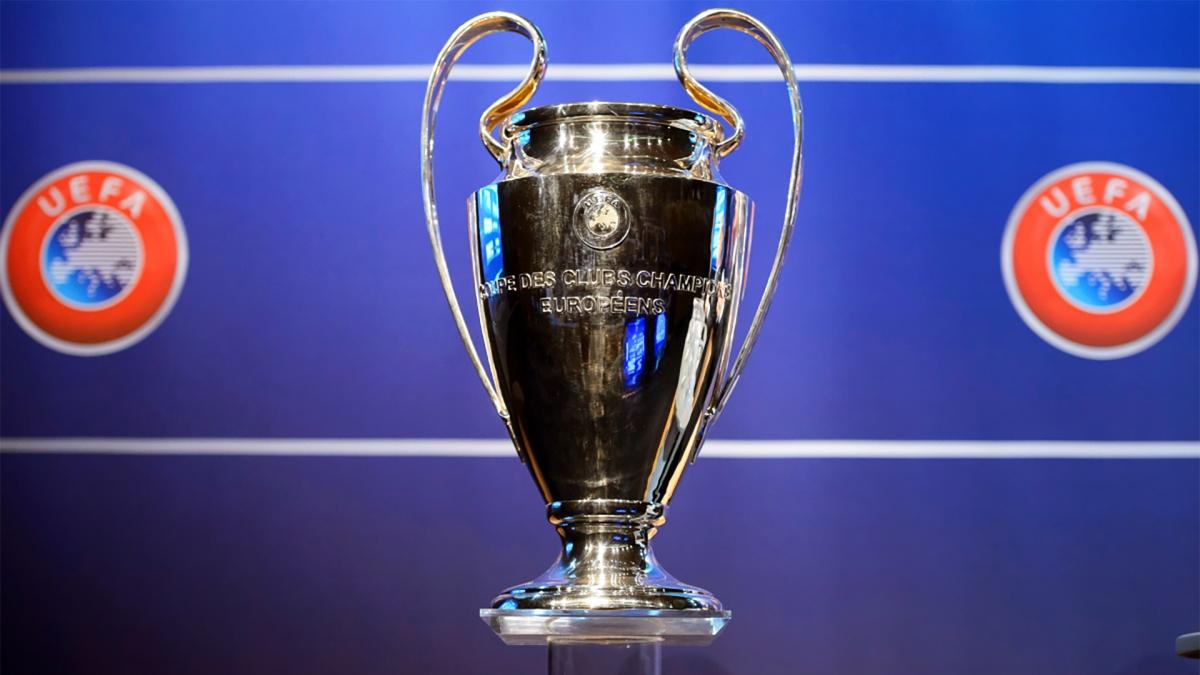
Super League Proposes Radical New Format to UEFA, Aiming for Champions League Evolution
Geneva, Switzerland – October 3, 2025 – The Super League project, resurrected after its initial collapse in 2021, has presented UEFA with a revamped competition format designed to address previous criticisms and potentially reshape the future of european club football.Negotiations between UEFA, A22 Sports Management – the company representing the Super League – and representatives from FC Barcelona and Real Madrid have been ongoing in secrecy for months, culminating in a proposal unveiled today.
The proposed model, described as a “3.0” version of the Champions League,seeks to balance the desire for guaranteed participation for top clubs with opportunities for broader competition. It envisions a league comprised of 36 clubs, divided into two groups based on UEFA coefficient rankings. This structure aims to deliver more consistently compelling matches while offering a pathway to participation for clubs outside the traditional elite.
under the new format, the top 18 clubs – those ranked highest by UEFA – would comprise Group 1. The top eight teams in this group would automatically advance to the round of 16. Teams ranked 9th through 18th would then compete with clubs from Group 2 for the remaining knockout stage berths.
Group 2 would consist of the remaining 18 qualified clubs. However,no team from Group 2 would directly qualify for the round of 16; instead,they would need to win a playoff round against a higher-ranked team from Group 1,mirroring the current Champions League qualification system. This system is intended to allow clubs ranked 19th to 36th a chance to compete for the championship.
Alongside the structural changes, the Super League is proposing a new distribution model. The Champions League branding would remain, but the competition would be broadcast on Unify, a new television platform developed by the Super League. Unify aims to improve viewer access and reduce costs, offering both a free, ad-supported version with geographically targeted advertising and a premium, paid subscription option.
The details of the proposal are still under review, and UEFA’s response will be critical in determining the future of the Super League. The governing body holds the final say on whether to adopt the new format, potentially ushering in a significant shift in the landscape of European football.
