The Secret History of Missing Members of Congress
<>
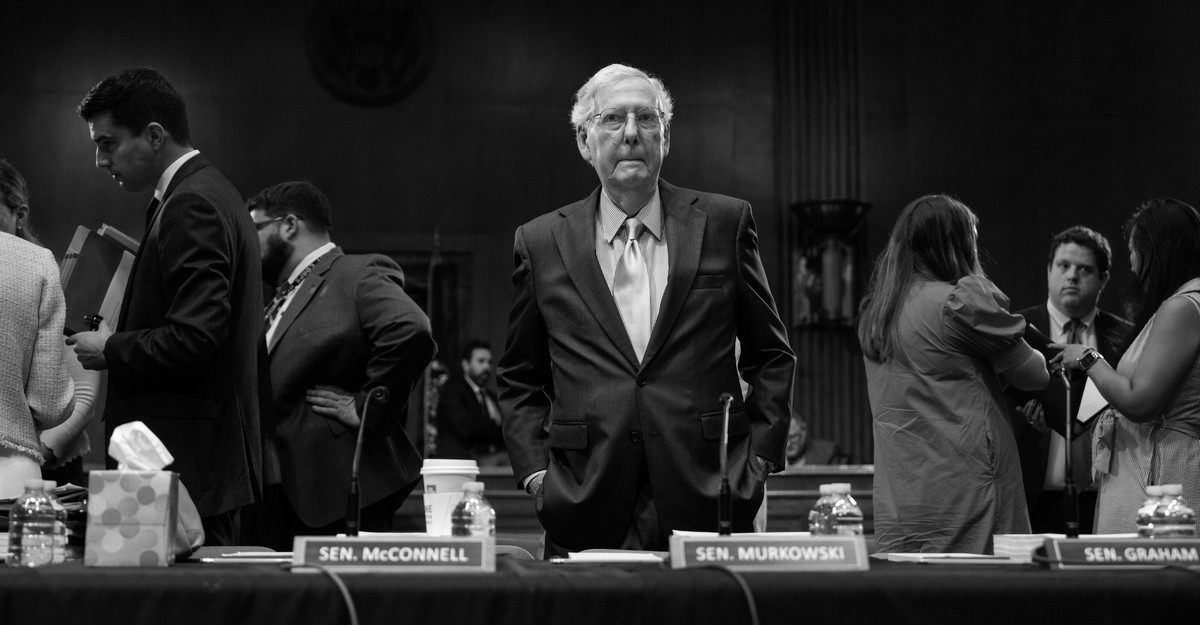
Mitch McConnell has remained out of public view since his June 14 hospitalization, sparking a wave of digital speculation and political uncertainty. With no formal disclosure requirements for congressional health, the absence has created a vacuum filled by memes and questions regarding his capacity to perform duties.
The Mechanics of a Political Information Void
When high-profile figures vanish from the public eye, the resulting narrative vacuum is rarely filled by silence. Instead, it invites a surge of creative, often cynical, digital engagement. In the case of Senator Mitch McConnell, the lack of substantive updates from his office has triggered a sprawling array of memes, ranging from AI-generated imagery to morbid humor reminiscent of Weekend at Bernie’s. This trend underscores a fundamental shift in how modern audiences engage with political figures: if the official channel remains closed, the internet effectively crowdsources its own narrative.
Precedent and the Cost of Congressional Secrecy
The current mystery surrounding McConnell is far from an isolated incident. History shows that the “MIA Caucus” is a recurring feature of Washington life. From Senator Carter Glass in the 1940s to the more recent, well-documented struggles of Senator Dianne Feinstein and Representative Kay Granger, the instinct among congressional staff is to shield ailing legislators from public scrutiny. According to Jim Manley, a veteran aide to Harry Reid, this practice is as old as Congress itself. Staff members operate under the assumption that privacy is a professional obligation, even when that privacy complicates the business of governing.
The logistical impact of these absences can be severe. As Congress approaches critical fiscal deadlines, such as the late-September government funding vote, the absence of key committee members like McConnell creates tangible legislative gridlock. Steven Smith, a professor at Arizona State University, notes that the lack of formal rules regarding medical disclosure leaves taxpayers and constituents in a state of limbo. Without a requirement to report that a legislator is “literally not on the job,” the gap between representation and presence widens, forcing political observers to rely on third-party accounts, which are often unreliable.
The Risks of Unverified Digital Discourse
The reliance on unofficial channels has led to significant errors in media reporting. CNN, for instance, recently broadcasted a screenshot from a parody account that claimed to have communicated with the senator, highlighting the volatility of the current news cycle.
When speculative content gains traction, the legal and reputational stakes rise. Intellectual property disputes or defamation concerns often follow when parody or unauthorized AI-generated content reaches mainstream amplification.
Systemic Reform vs. Institutional Inertia
Calls for reform are growing, though they face substantial headwinds. Groups like U.S. Term Limits argue that the current state of affairs denies constituents their right to representation. However, as Princeton historian Julian Zelizer notes, the high value placed on every single seat in a closely divided Congress provides a powerful incentive for staff to maintain secrecy at all costs. The only modern precedent for removing a member due to medical incapacity remains the 1981 resolution regarding Gladys Spellman, a rare exception that proves the rule of institutional inertia.
As the Senate returns from recess, the spotlight will remain fixed on the McConnell office. Whether the situation leads to a new standard of disclosure or continues as a testament to the "shielding" culture of the Hill remains to be seen. For those in the public eye, the lesson is clear: in the absence of a curated, professional narrative, the public will write their own.
Disclaimer: The views and cultural analyses presented in this article are for informational and entertainment purposes only. Information regarding legal disputes or financial data is based on available public records.