
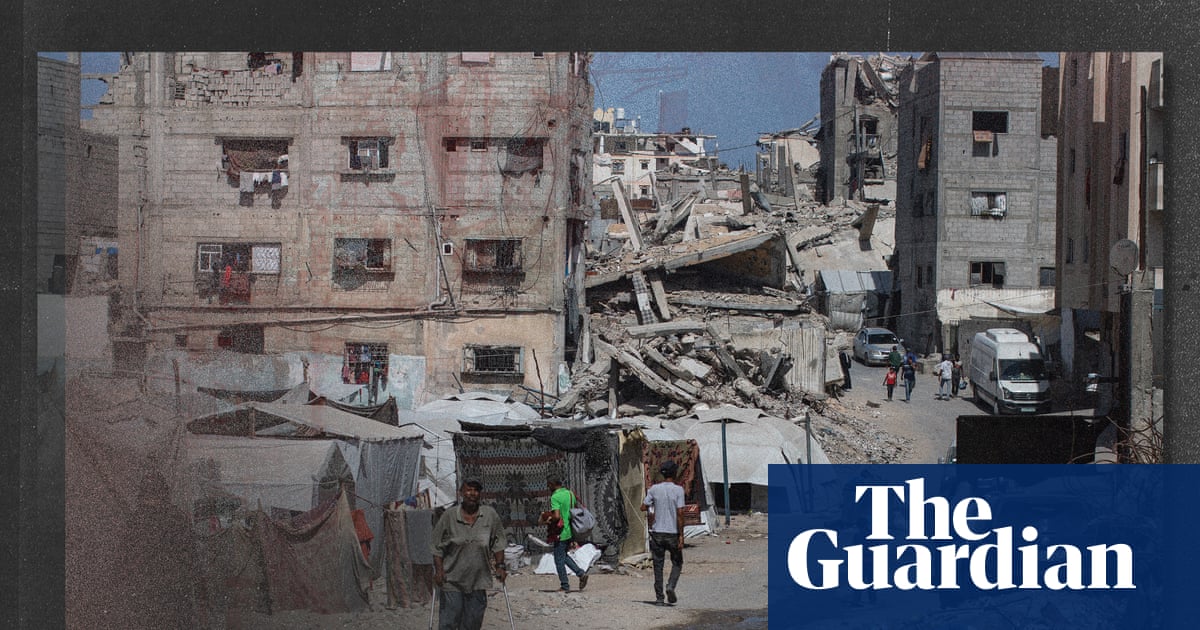
Gaza Faces Catastrophic Long-term Damage after Two Years of Israeli Assault
Gaza City – Two years of sustained Israeli military operations have left the Gaza Strip facing a humanitarian adn environmental catastrophe, with widespread destruction of infrastructure, agricultural land, and essential services.The escalating crisis threatens the long-term health and wellbeing of Gaza’s residents and raises concerns about the territory’s future viability.
The conflict, beginning in October 2023 and continuing through present day, has decimated Gaza’s ability to sustain itself. Approximately 97% of tree crops, 95% of shrubland, and 82% of annual crops have been destroyed, rendering large-scale food production impossible.Only 1.5% of Gaza’s cropland remains accessible and suitable for cultivation, according to recent UN figures. This agricultural collapse, coupled with the pollution of soil and water supplies from munitions and fires, is expected to have lasting impacts on ecosystems, biodiversity, and food security.
Israel has consistently maintained that aid shipments are reaching Gaza, and blamed logistics failures at aid agencies, or Hamas theft of food aid, for any shortages.
The environmental toll extends beyond agriculture. Since October 2023, Mine Action partners have documented 132 explosive ordnance incidents resulting in 47 deaths, including at least 14 children, and 249 injuries, with at least 71 of those injured being children.
“The situation is going from bad to worse,” a united Nations report stated last week. “If this continues, it will leave a legacy of environmental destruction that could affect the health and wellbeing of generations of Gaza residents.” The report underscores the urgent need for comprehensive assessment and remediation efforts to mitigate the long-term consequences of the ongoing devastation.
