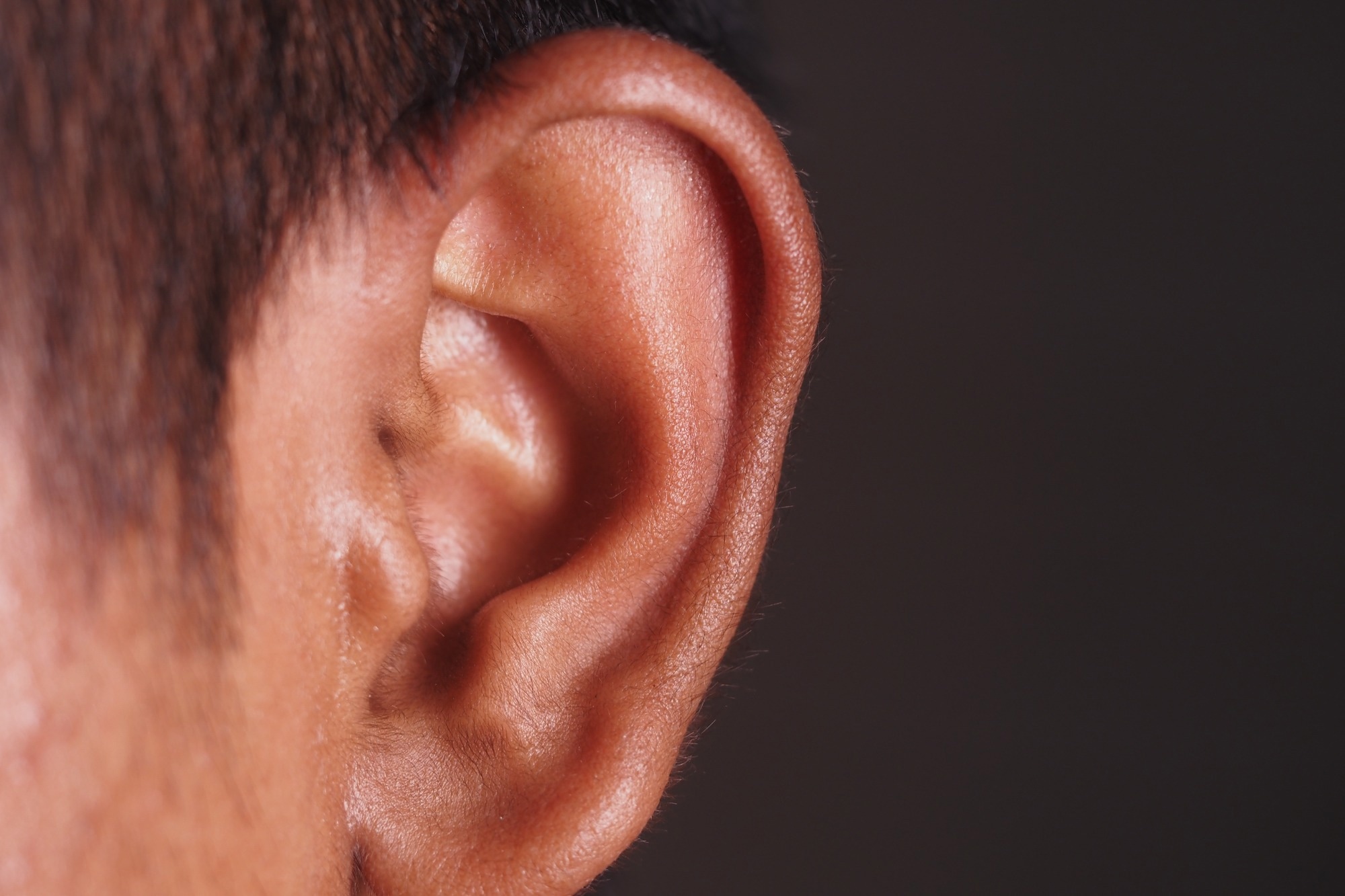
The Role of the Ear Microbiome in Health and Disease
Recent investigations into the ear microbiome have identified a complex, site-specific microbial landscape that plays a critical role in maintaining auditory homeostasis and defending against pathogen colonization. Research indicates that the external auditory canal hosts a distinct bacterial community, primarily dominated by Staphylococcus, Corynebacterium, and Alloiococcus species, which fluctuates in response to both environmental stimuli and underlying pathological states like otitis externa.
Key Clinical Takeaways:
- The ear canal maintains a unique microbial signature that, when disrupted, serves as a primary biomarker for inflammatory conditions.
- Dysbiosis—an imbalance in the microbial environment—is directly linked to the pathogenesis of chronic ear infections and potential hearing impairment.
- Emerging diagnostic protocols are beginning to prioritize microbiome profiling to move beyond broad-spectrum antibiotic reliance toward targeted therapeutic interventions.
The Biological Architecture of the Ear Microbiome
The human ear is not a sterile environment. According to longitudinal data published in PubMed, the ear microbiome functions as a biological barrier. In a healthy state, commensal bacteria prevent the overgrowth of opportunistic pathogens through competitive exclusion. When this equilibrium is compromised, the resulting dysbiosis facilitates the proliferation of bacteria such as Pseudomonas aeruginosa, which is frequently implicated in acute and chronic otitis media.
Research led by academic institutions and partially supported by National Institutes of Health (NIH) grants has underscored that the composition of this microbiome is highly sensitive to the acidic pH of the ear canal. This acidity acts as a natural inhibitor of pathogenic growth. Clinical observations confirm that when the pH rises—often due to moisture trapped in the canal or excessive cleaning—the microbial diversity shifts, increasing the risk of secondary infections.
“The ear microbiome is a dynamic ecosystem. Viewing it simply as a collection of bacteria ignores the functional role these organisms play in immune signaling and barrier protection. Our goal is to shift from reactive treatment to proactive ecological management of the auditory canal.” — Dr. Elena Vance, Lead Researcher in Otolaryngological Microbiology (Independent Research Fellow)
Clinical Implications for Chronic Otitis and Pathogenesis
Understanding the transition from a commensal to a pathogenic state is vital for clinical management. Standard of care currently relies heavily on topical antibiotics, which, while effective in the short term, may inadvertently exacerbate long-term dysbiosis by wiping out protective commensal strains. This “collateral damage” to the microbiome can lead to recurrent infections, a common challenge for patients seeking specialized otolaryngology services.
Epidemiological studies suggest that patients with recurrent ear infections often exhibit a significantly lower microbial diversity compared to healthy cohorts. This reduction in diversity correlates with increased morbidity and a higher likelihood of antimicrobial resistance. For clinicians, this highlights the necessity of diagnostic tools that can assess the microbiome’s health before escalating to aggressive pharmacological interventions.
Diagnostic Triage and Future Therapeutic Trajectories
The shift toward precision medicine in audiology requires a more nuanced approach to infection control. Healthcare providers are increasingly looking at microbiome-based diagnostics to differentiate between viral and bacterial etiologies, thereby reducing unnecessary antibiotic prescriptions. This approach is particularly relevant for patients with persistent symptoms who do not respond to standard protocols.
For those currently managing chronic auditory inflammation, consulting with a board-certified otolaryngologist is recommended to evaluate whether current symptoms are driven by structural issues or a breakdown in the canal’s microbial defense. As research progresses, we anticipate the development of “probiotic” topical drops designed to restore the commensal balance, effectively treating the root cause rather than the symptoms alone.
The integration of metagenomic sequencing into clinical practice remains the next significant hurdle. As large-scale clinical trials continue to refine our understanding of the ear’s microbial map, the focus will remain on preserving the delicate homeostasis of the auditory environment. Pharmaceutical distributors and diagnostic labs are actively monitoring these developments, often engaging healthcare compliance experts to ensure that upcoming microbiome-based therapies meet rigorous regulatory standards.
Disclaimer: The information provided in this article is for educational and scientific communication purposes only and does not constitute medical advice. Always consult with a qualified healthcare provider regarding any medical condition, diagnosis, or treatment plan.