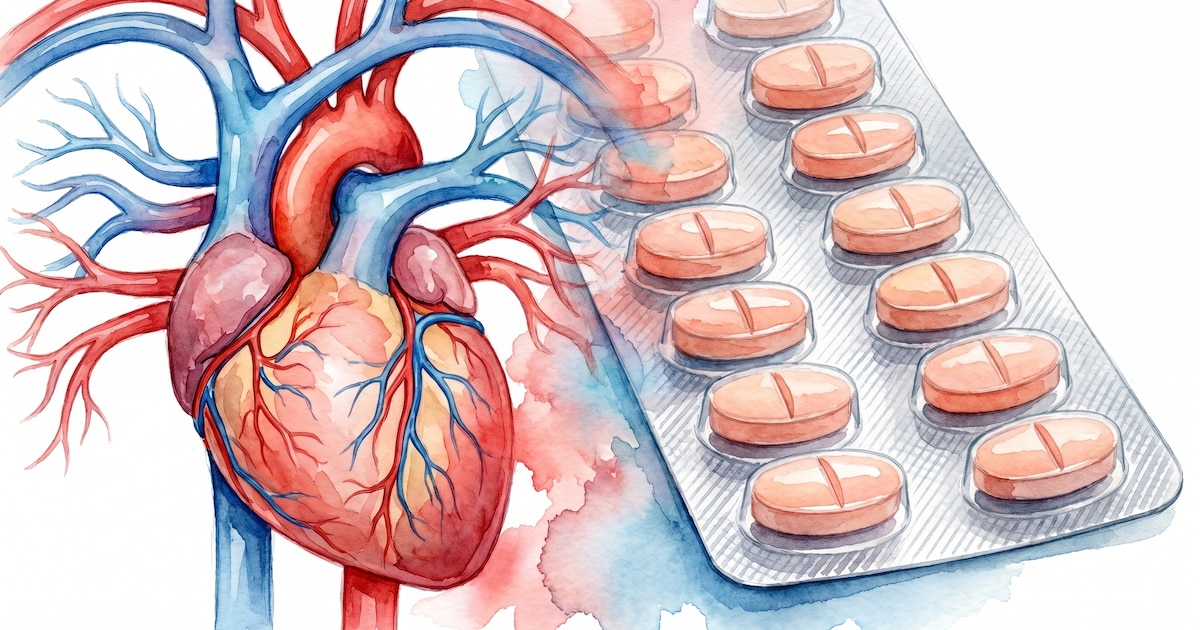
The Role of Statins in Lowering LDL Cholesterol and Preventing Heart Attacks
Statins remain the clinical gold standard for the primary and secondary prevention of atherosclerotic cardiovascular disease, according to the latest guidance from the European Society of Cardiology (ESC). Despite the emergence of novel lipid-lowering therapies, clinical data consistently identifies HMG-CoA reductase inhibitors as the most effective intervention for reducing low-density lipoprotein (LDL) cholesterol and preventing myocardial infarction and stroke, with recent epidemiological data in Argentina indicating that 40% of the adult population currently presents with elevated cholesterol levels.
Key Clinical Takeaways:
- Statins work by inhibiting the HMG-CoA reductase enzyme in the liver, effectively lowering systemic LDL cholesterol levels and stabilizing arterial plaque.
- Individualized titration is required, as current clinical guidelines emphasize tailoring dosages based on the patient’s absolute cardiovascular risk profile rather than one-size-fits-all prescriptions.
- Patients classified under “extreme cardiovascular risk” may require combination therapy, integrating statins with newer agents to achieve target lipid thresholds.
The Mechanism of Action and Therapeutic Standard
Statins function primarily by blocking the rate-limiting enzyme in the cholesterol biosynthesis pathway. By limiting hepatic cholesterol production, the liver increases the expression of LDL receptors, which in turn accelerates the clearance of LDL particles from the bloodstream. Per the European Society of Cardiology (ESC) guidelines, this mechanism provides a robust reduction in major adverse cardiovascular events (MACE). The efficacy of this class is supported by extensive longitudinal data, including the Cholesterol Treatment Trialists’ (CTT) Collaboration meta-analyses, which confirmed that for every 1 mmol/L reduction in LDL cholesterol, there is a corresponding 22% decrease in the risk of vascular events.
“The clinical utility of statins is not merely in lipid reduction, but in the pleiotropic effects that contribute to plaque stabilization and endothelial function,” explains Dr. Elena Rossi, a cardiovascular researcher. “While newer biological agents exist, statins remain the bedrock because the cumulative evidence regarding their safety profile and long-term mortality benefits is unmatched.”
Addressing the Patient Risk Stratification Gap
Modern clinical practice has moved toward a nuanced assessment of patient risk. The ESC’s inclusion of the “extreme cardiovascular risk” category serves as a diagnostic framework for patients who have experienced recurrent events despite achieving moderate LDL targets. For these individuals, the standard of care increasingly mandates a multi-drug approach. Patients struggling to manage lipid profiles despite adherence to first-line statin therapy should seek assessment from a board-certified lipidologist or cardiologist to determine if they qualify for adjunct therapies such as PCSK9 inhibitors or ezetimibe.
The urgency of this stratification is underscored by regional health data. In Argentina, the prevalence of hypercholesterolemia affects nearly four out of ten adults, creating a significant public health burden. As healthcare systems adapt to these figures, diagnostic centers are prioritizing high-sensitivity C-reactive protein (hs-CRP) testing alongside traditional lipid panels to better predict residual risk. Those requiring rapid diagnostic evaluation can access vetted services through regional diagnostic and imaging centers that utilize standardized, high-accuracy testing protocols.
Clinical Considerations for Long-Term Adherence
A frequent hurdle in statin therapy is the patient-reported experience of myalgia. According to data published in The Lancet, while the nocebo effect accounts for a significant portion of reported muscle symptoms in blinded trials, genuine statin-associated muscle symptoms (SAMS) do occur in a minority of patients. Clinical consensus dictates that clinicians should not abandon statin therapy immediately upon patient complaint. Instead, providers often utilize dose titration, switching the specific statin molecule, or implementing intermittent dosing schedules to maintain therapeutic efficacy while mitigating adverse effects.
For pharmaceutical distributors and clinical providers, maintaining consistent supply chains and adherence to evidence-based prescribing guidelines is essential to prevent operational bottlenecks. Clinical administrators are increasingly engaging healthcare compliance attorneys to ensure that treatment protocols remain aligned with evolving international standards, particularly as regulatory bodies update guidance on the management of high-risk populations.
Future Directions in Lipid Management
Research is currently focused on the long-term outcomes of gene-silencing therapies, such as siRNA, which target PCSK9 production. However, these remain supplementary to, rather than replacements for, statin therapy. The foundational role of statins is reinforced by their cost-effectiveness and the extensive body of peer-reviewed literature funded by both public health grants and independent clinical research organizations. As we move toward 2027, the emphasis will remain on precision medicine—matching the pharmacological intensity of the treatment to the specific biological risk profile of the patient.

Patients seeking a personalized approach to cardiovascular health should prioritize centers that offer comprehensive risk assessment, including genetic testing for familial hypercholesterolemia and advanced lipid fractioning. Engaging with a specialized cardiovascular wellness clinic can provide the necessary oversight to optimize lipid profiles and minimize long-term morbidity.
Disclaimer: The information provided in this article is for educational and scientific communication purposes only and does not constitute medical advice. Always consult with a qualified healthcare provider regarding any medical condition, diagnosis, or treatment plan.