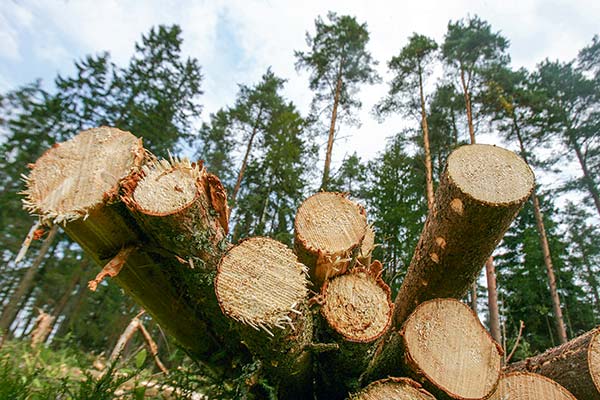
The Rise of Forestry Mega-Funds Targeting CMPC and Arauco Assets
Large-scale forestry funds are increasingly targeting Chilean timberland assets, creating significant acquisition pressure on major incumbents CMPC and Arauco. As global institutional capital seeks inflation-hedged, ESG-compliant real assets, the Chilean market has shifted from traditional industrial operation to a high-stakes arena for international private equity and timberland investment management organizations (TIMOs).
The Shift Toward Financialized Forest Management
The entry of mega-funds into the Chilean forestry sector marks a transition in ownership models. Historically, Chilean timberland was dominated by vertically integrated giants CMPC and Arauco, which managed vast swathes of land to feed their pulp and paper processing facilities. Current market data suggests a decoupling of land ownership from industrial output. Institutional investors are viewing these forests not merely as raw material supply chains, but as long-term yield-generating assets with high carbon sequestration value.
This trend forces a recalibration of capital structures for domestic firms. As land valuations rise, the cost of capital for maintaining extensive forest portfolios increases. Companies facing liquidity constraints or seeking to optimize their balance sheets are increasingly engaging specialized M&A advisory services to evaluate the sale-leaseback potential of their timber assets. This allows for the monetization of land while retaining long-term supply contracts for fiber.
Market Dynamics and Asset Valuation
The appetite for Chilean forestry assets is driven by the search for assets that offer uncorrelated returns relative to volatile equity markets. According to recent market analysis, timberland provides a stable hedge against inflation, as biological growth continues regardless of macroeconomic cycles. However, the entry of these funds introduces new complexities regarding land use, water rights, and community relations in regions like Biobío and La Araucanía.
“The institutionalization of forestry in Chile is no longer a fringe trend; it is a fundamental shift in how the industry values long-term biological cycles against immediate EBITDA targets,” notes one senior analyst at a regional investment firm. “When you have funds with multi-billion dollar mandates looking at the same hectares that legacy manufacturers rely on, the premium on strategic land management becomes the primary driver of enterprise value.”
For mid-market players and local operators, the arrival of these mega-funds creates both a competitive threat and a potential exit opportunity. Many firms are now turning to institutional corporate law firms to navigate the complex regulatory environment surrounding land transfers and water rights, which are increasingly under scrutiny by local authorities and environmental regulators.
Strategic Implications for CMPC and Arauco
CMPC and Arauco operate under a model where forest ownership is integral to their competitive advantage in the global pulp market. The pressure from external funds forces these entities to demonstrate that their internal management of timberland is more efficient than the returns promised by private equity. If they cannot meet these hurdle rates, they face the risk of shareholder pressure to divest non-core land assets to unlock value.
This environment creates a bottleneck for firms lacking the scale to compete with global capital. Companies that rely on long-term forestry cycles must now manage their working capital with extreme precision. The need for sophisticated financial modeling, particularly regarding the valuation of standing timber versus land value, has never been higher. Enterprise-level forestry management consultants are currently seeing a surge in demand for services related to yield optimization and carbon credit monetization, as these represent the new frontier for profitability.
The Future of Chilean Timber Assets
The trajectory for the next fiscal year points toward further consolidation. As global interest rates remain a critical variable in the cost of debt for land-heavy firms, the ability to attract international institutional partners will dictate the market leaders. The structural shift toward financialized forestry is likely to persist, compelling traditional industrial players to adopt more flexible capital strategies.
Market participants should monitor the upcoming quarterly results for indicators of asset rotation. Companies that successfully pivot toward a hybrid model—retaining core processing capacity while offloading passive land assets to institutional funds—will likely see better valuation multiples. For those seeking to navigate this transition, partnering with firms that specialize in strategic capital allocation and asset restructuring remains the most viable path to maintaining competitiveness in a rapidly evolving, capital-intensive landscape.