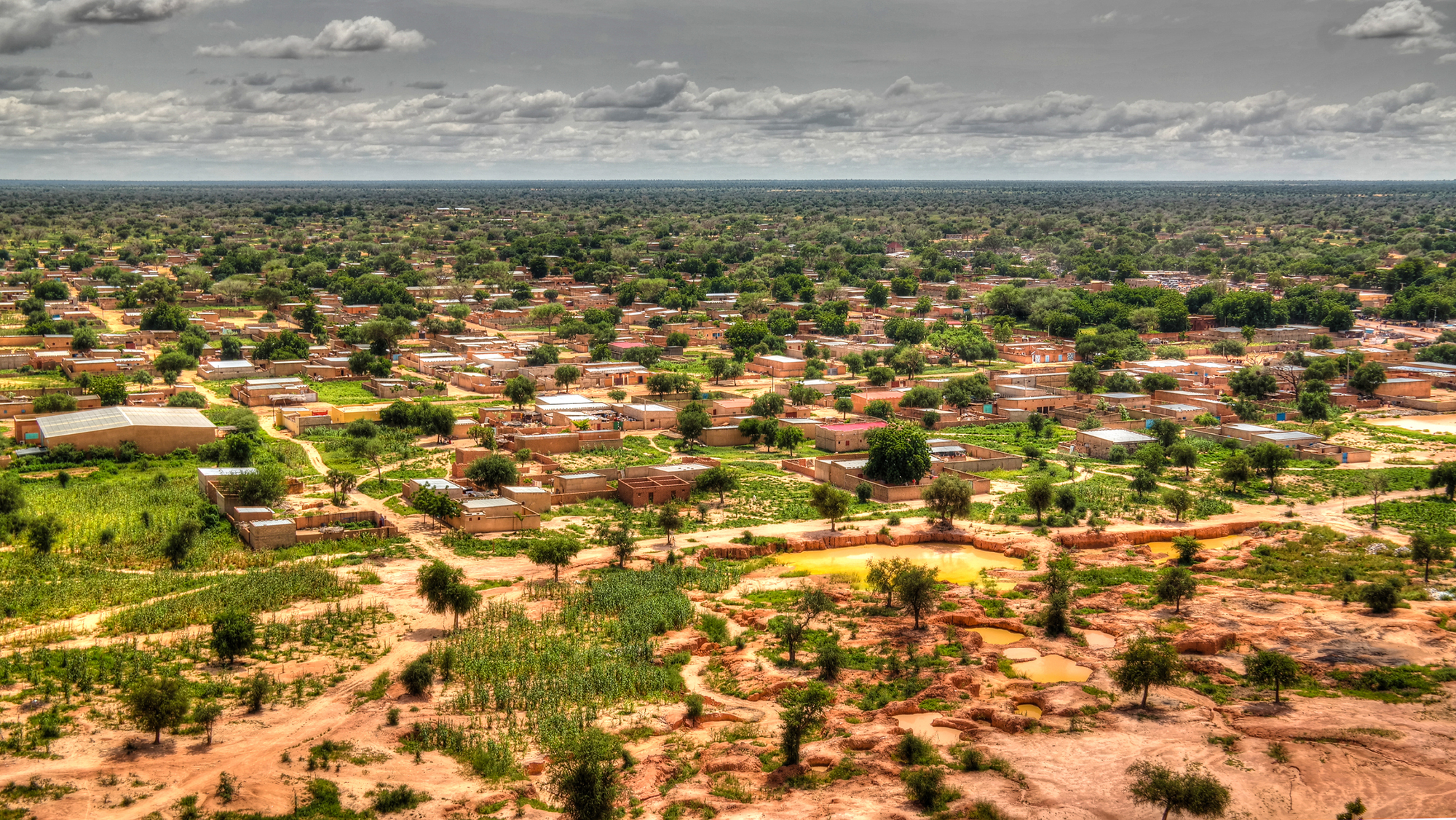
The Rewetting of the Sahel: Why Africa’s Semi-Arid Region Is Returning to Life
The African Sahel region, historically synonymous with severe drought and famine, is experiencing a profound ecological transformation as increased rainfall and rising water tables turn the semi-arid landscape green. According to ground investigations led by hydrogeologist Richard Taylor at University College London, and supported by satellite data from NASA’s Gravity Recovery and Climate Experiment mission, groundwater storage across the 500-mile-wide transition zone has risen significantly over the past two decades. While this hydrological revival is bringing much-needed water to parched oases and allowing endangered species like the scimitar-horned oryx to return to nature reserves, it is also driving extreme weather events, including flash floods that have destroyed thousands of homes in nations such as Niger.
Key Clinical Takeaways:
- Groundwater tables across parts of the African Sahel have risen by 13 feet or more, signaling a 15 percent increase in aquifer reserves, according to hydrogeological field data and satellite gravity measurements.
- The rewetting trend is largely driven by a strengthening West African monsoon, fueled by North Atlantic warming linked to historical reductions in European and North American sulphate aerosols from coal burning.
- While the increased water availability supports an agricultural renaissance and wildlife recovery, concentrated extreme storms have escalated flood risks and infrastructure vulnerability across vulnerable communities.
Drivers of the Sahelian Rewetting Phenomenon
The rewetting of the Sahel cannot be explained by rainfall increases alone. According to assessments published by the United Nations’ Intergovernmental Panel on Climate Change, scientists hold “high confidence” that the strengthening of the West African monsoon stems from strong warming in the North Atlantic. This warming was caused by a combination of global heating and a reduction of sulphate aerosols from coal burning in Europe and North America. Decades ago, those aerosols created a cooling haze that prevented the monsoon from migrating northward. As air quality clean-ups reduced that haze, the North Atlantic warmed, pulling the monsoon deeper into the interior and triggering intense seasonal deluges.
Beyond regional climate dynamics, land-surface changes also contribute to the transformation. Initiatives such as the internationally funded Great Green Wall project, combined with the revival of traditional water harvesting techniques like zai pits and stone contours, have helped control soil erosion and improve moisture retention. Meanwhile, conflict and security challenges have disrupted large-scale irrigation projects. As noted by Timmo Gaasbeek, a food security policy officer at the Netherlands Ministry of Foreign Affairs, instability in northern Nigeria has led to the abandonment of projects that once drained major waterways, allowing rivers like the Logone to flow unimpeded and replenish Lake Chad.
Ecological Revival and Agricultural Expansion
The influx of water has revitalized local ecosystems and agricultural systems alike. In Chad’s Ouadi Rimé-Ouadi Achim nature reserve, conservationists have documented resurgent populations of aardvarks, porcupines, badgers, and foxes, alongside the reintroduction of the scimitar-horned oryx, which now numbers more than 600 individuals in the wild. West African giraffes are similarly thriving on regenerated vegetation across their historical range.
For local agrarian communities, the changing hydrology has altered daily survival. Supported by regional recovery programs like the World Bank’s PROLAC initiative, farmers have tapped groundwater around resurgent oases to expand crop cultivation. In Chad, farmers report being able to cultivate four times as much land and double their onion yields. In southern Niger, former World Resources Institute geographer Chris Reij has documented the natural regrowth of some 200 million trees on formerly treeless fields, further enhancing the region’s productive capacity.
Managing the Public Health Risks of Extreme Weather
Despite the agricultural benefits, the shifting climate has introduced severe public health and safety challenges. Precipitation in the Sahel increasingly falls in concentrated, violent downpours known as Mesoscale Convective Systems. The frequency of these extreme storms has tripled since the 1980s, delivering severe floods that have outpaced historical drought risks in countries like Niger. During the 2024 monsoon season, severe storms inundated the capital city of Niamey and washed away more than 150,000 mud-brick homes in rural districts, creating acute displacement and sanitation crises.
Epidemiological and public health responses in the region must adapt to this inversion of environmental hazards, shifting from famine relief toward flood-resilient infrastructure and water-borne disease mitigation.
As hydrogeologists and climate modelers project further increases in annual rainfall through the 21st century, regional governments are preparing to rehabilitate major infrastructure, including Nigeria’s 165,000-acre South Chad Irrigation Project. While erratic rainfall patterns and events like El Niño will continue to cause localized droughts in the eastern Sahel alongside heavy floods in the west, the long-term hydrological trajectory points toward a permanently altered landscape. Navigating this new era will require continued coordination between climatologists, hydrologists, and regional health authorities to safeguard vulnerable populations.
*Disclaimer: The information provided in this article is for educational and scientific communication purposes only and does not constitute medical advice. Always consult with a qualified healthcare provider regarding any medical condition, diagnosis, or treatment plan.*