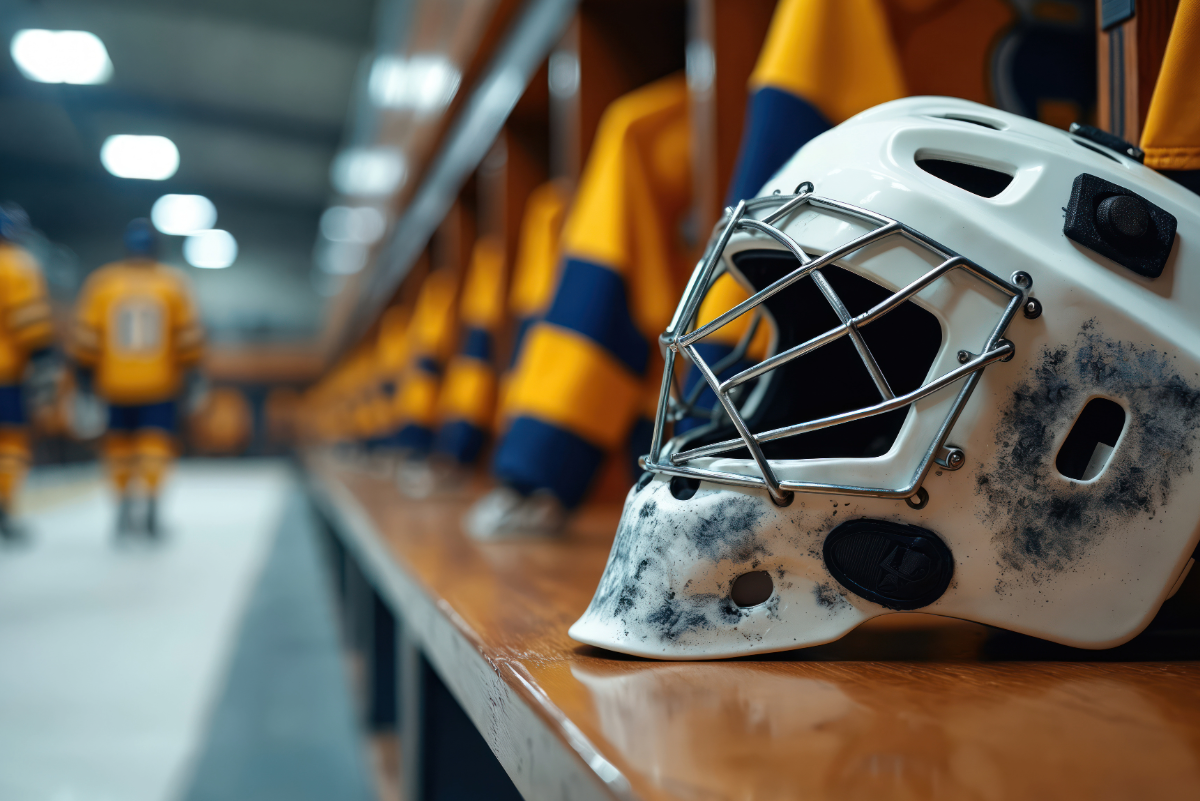
The Psychology of Goaltending and Mental Skills Training in Ice Hockey
The University of Denver’s goaltending program, consistently ranked among the NCAA’s elite, relies on a sophisticated integration of cognitive behavioral therapy and high-frequency mental rehearsal to maintain performance under pressure. By prioritizing psychological periodization alongside physical conditioning, the program mitigates the high-stakes variance inherent in the crease, providing a blueprint for modern goaltending excellence.
The Cognitive Architecture of the Crease
Goaltending in ice hockey is statistically the most high-variance position in professional sports. According to research on mental skills training for goaltenders, the ability to maintain a neutral mindset—often referred to as “the reset”—is a primary factor in preventing a single goal from compounding into a multi-goal collapse. At the University of Denver, the training regimen incorporates specific psychological protocols to manage the autonomic nervous system during high-leverage moments.
Athletes at this level utilize visualization techniques to simulate game-state scenarios, effectively lowering the heart rate variability (HRV) response to sudden scoring chances. This mental conditioning mirrors the physical demands of high-intensity interval training, where the goalie must switch from total stillness to explosive lateral movement in milliseconds. When the brain is trained to process these transitions as routine rather than stressors, the goalie’s reaction time remains within the optimal cognitive window.
Data-Driven Mental Periodization
Modern goaltending analytics emphasize not just save percentage, but Expected Goals Against (xGA) and high-danger save percentage. Mental fatigue directly correlates to a drop in these metrics, particularly during the third period of back-to-back games. The University of Denver’s approach suggests that mental preparation must be periodized—structured to peak during the playoff push—much like physical load management.
“The mental game is the final frontier of goaltending efficiency,” notes an independent consultant in high-performance sports psychology. “When you look at the delta between a backup and a starter, it is rarely a lack of technical ability. It is the capacity to maintain a singular focus through a 60-minute workload, especially when the defensive coverage breaks down in front of them.”
For youth athletes attempting to replicate these elite standards, access to specialized mental coaching is often limited. While NCAA programs have dedicated staff, local high school and junior players must seek out [Vetted Sports Psychology Clinics] to develop the same cognitive resilience required to survive the rigors of competitive hockey.
The Economic Impact of Goaltender Stability
The stability of a goaltender has profound implications for franchise valuation and regional revenue. A team with a reliable, mentally composed goalie sees higher attendance and, consequently, increased spending at local hospitality hubs and stadium infrastructure. Conversely, a revolving door in the crease leads to defensive instability, which can negatively impact ticket sales and broadcast ratings during the critical mid-season stretch.
Franchises often invest heavily in mental performance departments to protect their most valuable roster assets. This investment extends beyond the locker room, influencing the local economy by creating demand for professional services ranging from specialized athletic training facilities to legal counsel for complex player contracts. Organizations looking to optimize their support systems frequently engage with [Elite Sports Legal Consultants] to ensure that performance-based incentives and mental health support clauses are accurately reflected in collective bargaining agreements.
Mitigating Risks and Sustaining Performance
Physical injury remains the greatest threat to a goaltender’s career trajectory. The repetitive strain placed on the hips and groin during the “butterfly” save technique requires a rigorous injury prevention protocol. Beyond the mental aspect, the physical maintenance of a goaltender is a full-time business operation. When an injury occurs, the speed of recovery is often dictated by the immediate access to medical expertise.
Local clubs and minor league organizations should prioritize the same level of care seen in collegiate programs by partnering with [Regional Orthopedic & Rehab Centers]. By establishing these professional bridges, teams ensure that the transition from a mental lapse to a physical setback does not result in a long-term, dead-cap hit for the organization. Maintaining the integrity of the goalie’s health is not merely a medical necessity; it is a fundamental business strategy for any team aiming for long-term championship contention.
As the game evolves, the integration of mental performance training will likely become as standard as video analysis or strength coaching. The University of Denver’s methodology demonstrates that success on the ice is a product of deliberate, measured preparation that addresses the human element of the sport as rigorously as the tactical one.
Disclaimer: The insights provided in this article are for informational and entertainment purposes only and do not constitute medical advice or sports betting recommendations.