The Palace of the Countess of Lebrija: Seville’s Hidden Museum of Roman Mosaics
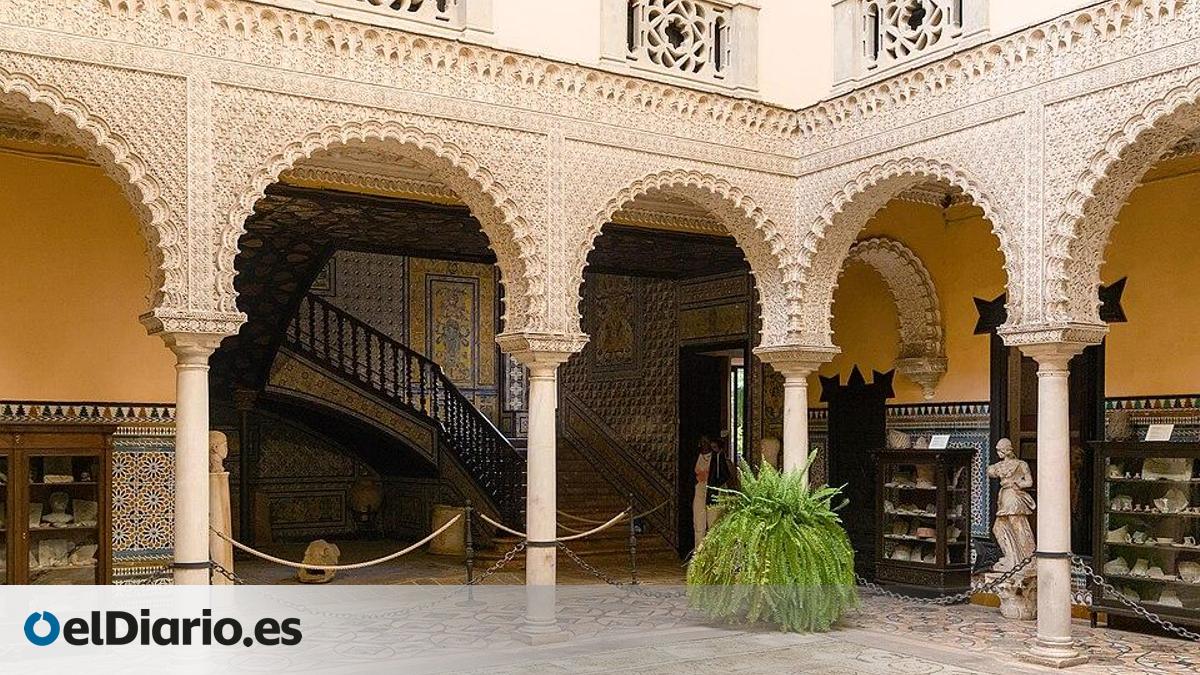
Located at Calle Cuna 8 in the heart of Seville, Spain, the Palace of the Countess of Lebrija serves as a premier example of private heritage preservation. Featuring 580 square meters of Roman mosaics, the 16th-century noble residence functions today as a museum, showcasing a vast collection of archaeological and artistic treasures.
The Evolution of a Noble Residence
To walk down the Calle Cuna in Seville is to brush against the layers of Spanish history. While the casual visitor might only see the bustling street life of a modern Andalusian city, the Palacio de la Condesa de Lebrija stands as a silent sentinel of the 16th century. It began its life not as a repository for the public, but as a private sanctuary for the aristocracy. Through the centuries, the building passed through the hands of noble lineages, including the Count of Corbos and the Count of Miraflores, undergoing multiple structural renovations that bridged the gap between the Renaissance and the modern era.

The decisive moment for the structure arrived in 1901. Regla Manjón Mergelina, the Countess of Lebrija, acquired the property with a singular vision. An intellectual and a passionate amateur archaeologist, the Countess viewed the home as a canvas for the preservation of Spain’s classical past. Her obsession with the nearby Roman site of Itálica—a pivotal archaeological location—transformed the residence from a mere noble home into a specialized archive of antiquities.
Maintaining such a vast, historically significant property is no minor feat. For modern owners of heritage-listed assets, the burden of upkeep often necessitates engagement with specialized [Historic Preservation Consultants] to ensure that structural integrity does not compromise the original aesthetic. Neglect in this sector can lead to irreversible damage to the very tapestries and mosaics that define the site’s value.
A Masterpiece of Roman Mosaics
The crown jewel of the Countess’s intervention is undeniably the flooring. She meticulously sourced and installed thousands of Roman mosaics, primarily salvaged from Itálica and other regional sites. This endeavor resulted in 580 square meters of preserved Roman art, integrated directly into the floors and walls of the palace’s ground level. It is a unique architectural synthesis where the building itself acts as both a frame and a participant in the collection.
The ground floor functions as a comprehensive, albeit private, archaeological exhibition. Amphoras, sculptures, and paintings are curated alongside tiles recovered from ruined convents and palaces. This layering of disparate historical artifacts creates a sensory experience that feels, in many rooms, as if time has been suspended. The first floor, by contrast, offers a glimpse into the domestic life of the aristocracy, featuring an intact library of approximately 4,000 volumes and a dining room that remains set as if for a dinner party that never ended.
For those managing large-scale estates or private collections, the logistical requirements are immense. Navigating the intersection of municipal zoning, public access, and structural conservation is a complex task. Organizations often turn to [Professional Property Management Services] to coordinate the delicate balance between visitor traffic and the protection of fragile, high-value surfaces.
The Burden of Legacy and Public Access
Since the palace opened its doors to the public in 1999, it has served as a benchmark for how private aristocratic holdings can transition into public cultural assets. However, this transition is not without its challenges. The management of 2,500 square meters of heritage space requires constant vigilance against environmental degradation and the wear of daily foot traffic.
Local heritage experts emphasize that the preservation of such sites is vital for the regional economy. The palace is not merely a static museum; it is an anchor for the cultural identity of Seville. As urban density increases, the pressure on historic centers like the Casco Antiguo becomes more pronounced. Protecting these sites requires a collaborative effort between private owners and municipal authorities to ensure that infrastructure—such as the bus networks and pedestrian access points—remains functional without encroaching upon the historic character of the district.
In discussions regarding the future of Seville’s heritage, the role of professional oversight is paramount. According to local urban planning advocates, the preservation of the city’s architectural integrity is directly tied to the availability of [Specialized Legal Counsel for Heritage Properties]. Such professionals are essential for navigating the complex web of local ordinances that dictate how one may renovate or display historical artifacts within a residential or commercial structure.
Beyond the Facade
The story of the Palacio de la Condesa de Lebrija is, at its core, a story of the individual’s role in the continuity of history. By the time the Countess passed away, she had successfully institutionalized her passion, ensuring that her collection would not be dispersed or lost to time. Her legacy is the preservation of a 1,700-year-old narrative, held together by the mortar of 19th-century restoration and the dedicated stewardship of her descendants.

Yet, as we look toward the future of such sites, we must ask: what happens when the private owner can no longer sustain the costs of history? The transition of historic buildings into museums is often a race against the clock. When private wealth is no longer sufficient to maintain these grand residences, the burden often shifts toward public-private partnerships or the intervention of [Heritage Trusts and Non-Profit Organizations]. These entities play a critical role in providing the financial and logistical scaffolding necessary to keep history accessible.
As of May 2026, the palace remains a testament to the fact that heritage is not a static concept. It is a living, breathing responsibility. Whether through the careful curation of Roman mosaics or the maintenance of a 4,000-volume library, the palace reminds us that the preservation of our past is the foundation of our future. For those tasked with the stewardship of their own historic or legacy assets, the path forward is clear: expert guidance is the only bridge between the grandeur of the past and the demands of the modern world. When the weight of history becomes too heavy for a single family to bear, the [Professional Estate and Asset Management Directory] remains the essential resource for ensuring that these legacies endure for another century.