
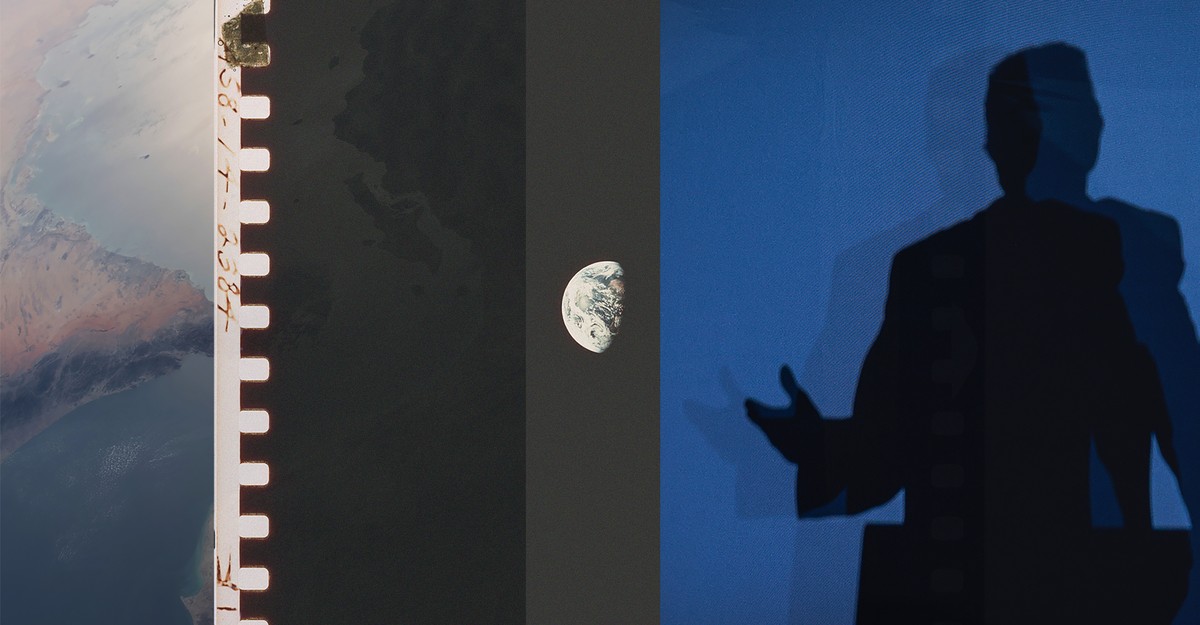
The Overview Effect: Earth’s Fragility and the Hope for Humanity
On April 7, 2026, NASA’s Artemis II mission reached a historic lunar flyby, capturing 10,000 images of Earth and the moon. While astronauts experience the “overview effect,” the world below grappled with a nuclear standoff between the U.S. And Iran, highlighting the jarring contrast between human aspiration and existential threat.
It is a surreal moment in the cultural zeitgeist. We are currently navigating the peak of the spring release window, where studios are pivoting toward summer blockbusters, yet the collective consciousness is occupied by a digital dichotomy. On one screen, we see the “blue marble” in high-definition glory—a visual testament to human ingenuity and the ultimate intellectual property of the species. On the other, we see a social media feed where the fate of civilizations is decided via posts, and deadlines. This is the modern condition: the sublime and the catastrophic, delivered in the same vertical scroll.
The “overview effect”—that cognitive shift reported by astronauts like Christina Koch and Jim Lovell—is no longer reserved for the few who breach the atmosphere. We are experiencing a proxy version of it. By consuming these images through the lens of a smartphone, we are forced into a sudden, violent perspective shift. We see the fragility of our borders and the absurdity of our conflicts, all while the algorithmic machinery of our attention economy pushes a golf score or a stock tick immediately after a photo of the lunar surface. This friction creates a psychological vertigo that the entertainment industry is already beginning to monetize.
The Commodification of Existential Dread
From a business perspective, this tension between cosmic awe and planetary fragility is a goldmine for content creators. We are seeing a massive surge in “existentialist cinema” and high-concept SVOD series that blend hard science with political thriller elements. The appetite for narratives that explore the “pale blue dot” philosophy is driving production budgets higher, as studios gamble on prestige IP that can capture this specific, haunting mood of the mid-2020s.

However, the reality of producing such scale is a logistical nightmare. When a project moves from a standard soundstage to the level of “civilizational scale,” the risks multiply. This is where the industry moves beyond creative vision and into the realm of high-stakes risk mitigation. For productions attempting to simulate these cosmic vistas or manage the PR of “science-adjacent” storytelling, the need for elite crisis communication firms and reputation managers becomes paramount, especially when political volatility threatens to overshadow the artistic intent.
“The current appetite for ‘Cosmic Horror’ and ‘Existentialism’ in the 2026 slate isn’t just a trend; it’s a mirror. Audiences are projecting their anxiety about global stability onto the vastness of space. We aren’t just selling movies; we’re selling a way to process the feeling of insignificance.” — Marcus Thorne, Senior Creative Executive at A24
The Business of the Void: Metrics of Awe
If we look at the data, the “Overview Effect” is translating into tangible engagement. According to the latest Variety intelligence reports, documentaries and limited series focusing on space exploration and planetary fragility have seen a 34% increase in SVOD completion rates over the last quarter. The “prestige” sector of streaming is moving away from episodic procedurals and toward “event-driven” intellectual property that challenges the viewer’s sense of scale.
The financial stakes are equally high. The backend gross for space-centric franchises is now heavily tied to immersive experiences and VR integration, attempting to replicate the astronaut’s perspective for a paying audience. But as the Artemis II photos prove, the real “content” is the raw, unedited reality of our planet. This creates a strange tension for the industry: how do you compete with the actual Earth? The answer lies in the “brand equity” of authenticity. The more the world feels like it’s fraying at the edges, the more audiences crave images of unity and fragility.
This shift in taste is also impacting the legal landscape. As private companies like SpaceX and Blue Origin continue to blur the line between government exploration and corporate venture, the battle over “space-based IP” and image rights is intensifying. We are seeing a rise in complex copyright disputes over who owns the “view” from the void. When a private entity captures a world-changing image, the legal fallout often requires the intervention of specialized IP lawyers who can navigate the intersection of international maritime law and aerospace regulations.
Navigating the Collapse and the Ascent
The juxtaposition of Trump’s threats of “civilizational destruction” and Koch’s vision of “building ships” is the ultimate narrative conflict. One is the politics of the fence—borders, lines, and deadlines. The other is the politics of the horizon—exploration, science, and collective survival. For the entertainment and media sectors, this is the primary conflict of the decade: the struggle between the tribal and the universal.
As we move toward the summer festival circuit, expect to see this duality reflected in the cinema. The “big-budget” spectacle is no longer enough; there is a demand for a moral compass. The industry is shifting toward a model where the “showrunner” must also be a cultural curator, balancing the ruthless metrics of the box office with a genuine engagement with the human condition. The productions that will win in 2026 are those that can capture the “overview effect” without sanitizing the terror of the void.
the Artemis II mission serves as a reminder that while we are capable of inventing new ways to threaten our existence, we are equally capable of stepping back to see how precious that existence actually is. Whether it’s through a telescope or a smartphone screen, the image of the Earth remains the most powerful piece of media ever produced. It is the only “content” that can truly reset the human ego.
In an era where the line between a diplomatic breakthrough and a nuclear event is a single social media post, the need for stability—both in our governance and our professional networks—has never been higher. Whether you are a studio head managing a global production or a brand navigating a PR minefield, the complexity of the modern landscape requires vetted, professional expertise. From global event logistics and security to high-level legal counsel, the World Today News Directory remains the definitive resource for connecting with the professionals who keep the world turning while we gaze at the stars.
Disclaimer: The views and cultural analyses presented in this article are for informational and entertainment purposes only. Information regarding legal disputes or financial data is based on available public records.