
The Mystery of Andes Hantavirus Human-to-Human Transmission
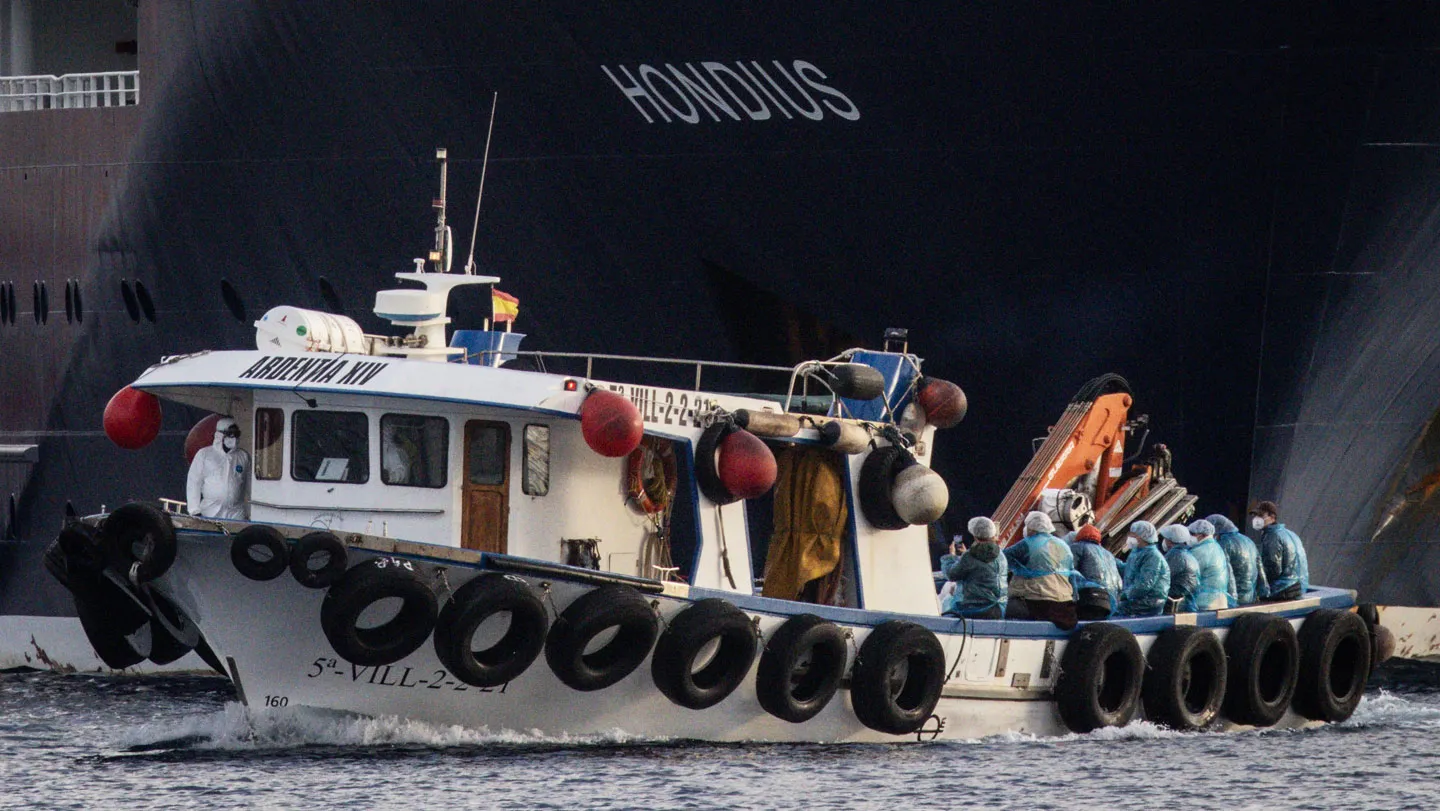
The recent cluster of respiratory illnesses reported aboard a major cruise vessel has forced a critical re-examination of one of the most perplexing anomalies in modern virology. While the vast majority of hantavirus infections are strictly zoonotic—contracted through environmental exposure to infected rodent excreta—the Andes hantavirus presents a unique and unsettling deviation from the standard epidemiological model. This capacity for person-to-person transmission has shifted the clinical focus from simple environmental hygiene to a complex investigation into the fundamental mechanisms of viral pathogenesis.
Key Clinical Takeaways:
- The Andes hantavirus is uniquely distinguished from other hantavirus strains by its demonstrated ability to spread through human-to-human contact.
- The specific biological mechanism that allows this strain to bypass the typical rodent-to-human transmission requirement remains an unsolved scientific mystery.
- High-density environments, such as cruise ships or enclosed living spaces, present heightened risks for transmission due to the potential for direct physical contact or exposure to body fluids.
The central question facing the global health community is not merely how the virus is contained, but why this specific strain possesses the unique ability to bridge the gap between individuals. While other hantaviruses are largely confined to the rodent-human interface, the Andes strain has demonstrated a capacity for spread that defies current understanding. This biological anomaly transforms the management of potential outbreaks from a matter of rodent control to a high-stakes challenge of human contact mitigation and respiratory isolation.
The Pathogenesis of a Unique Transmission Vector
In most hantavirus scenarios, the pathogen is introduced to humans through the inhalation of aerosolized particles from rodent urine, droppings, or saliva. This zoonotic spillover is typically a dead-end event for the virus, meaning it does not easily move from one human to another. However, the Andes virus breaks this rule. Research indicates that transmission can occur through direct physical contact, prolonged time spent in enclosed spaces with an infected individual, or exposure to the body fluids of a symptomatic person.

“The distinction between a zoonotic event and a human-to-human transmission chain is the difference between a localized environmental incident and a potential public health crisis that requires intensive contact tracing.”
This shift in the viral life cycle suggests that the Andes strain may possess specific surface protein configurations or unique replicative strategies that allow it to survive and transmit within the human respiratory tract more effectively than its counterparts. Understanding this mechanism is vital for developing targeted interventions. Without knowing whether the transmission is driven by fine-particle aerosols or larger droplets, healthcare providers must remain prepared for multiple modes of exposure.
Clinical Challenges in High-Density Environments
The epidemiological implications of person-to-person spread are most pronounced in confined, high-density settings. On a cruise ship, where passengers and crew share recirculated air and communal spaces, the risk of a transmission chain is significantly amplified. The clinical presentation of the disease often begins with non-specific symptoms that mimic common viral infections, such as fatigue, fever and muscle aches. This can lead to dangerous delays in diagnosis and isolation.
As the infection progresses, it can manifest as Hantavirus Pulmonary Syndrome (HPS), a severe respiratory condition characterized by rapid onset and high morbidity. For clinicians, the challenge lies in the diagnostic window; symptoms may appear anywhere from four to forty-two days after exposure. In a mobile population, identifying the index case and mapping the subsequent chain of contact is a logistical hurdle that requires immediate and coordinated action.
For medical facilities managing such outbreaks, the ability to rapidly differentiate between common seasonal viruses and rare hantaviruses is paramount. This necessitates immediate access to specialized diagnostic laboratories capable of performing high-sensitivity molecular testing. Early detection is the only way to prevent a localized cluster from evolving into a widespread event.
Bridging the Information Gap in Viral Research
Despite decades of study, the “why” behind the Andes virus’s unique behavior remains elusive. Current investigations, supported by multi-agency public health grants aimed at understanding viral evolution, are focused on identifying the specific genetic markers that enable human-to-human spread. Scientists are looking closely at the viral envelope and its interaction with human cellular receptors to determine if a specific mutation has granted this strain its heightened transmissibility.
“We are looking for the molecular signature of transmissibility. If One can identify why the Andes strain can jump between people, we can potentially develop more effective prophylactic measures and diagnostic tools.”
This research is not merely an academic pursuit; it is a necessity for global health security. The ability to predict which zoonotic viruses might develop human-to-human capabilities is a cornerstone of modern pandemic preparedness. Until the biological mechanism is fully elucidated, the medical community must rely on rigorous clinical vigilance and robust containment protocols.

Navigating the complexities of a potential outbreak requires more than just clinical expertise; it requires a multidisciplinary approach to public health management. Cruise lines, hospitality providers, and large-scale transit operators are increasingly recognizing the need to integrate medical preparedness into their operational frameworks. This includes the retention of healthcare compliance consultants to ensure that outbreak response protocols meet the highest international standards of safety and regulation.
As we await further breakthroughs in the understanding of Andes virus pathogenesis, the focus must remain on strengthening the infrastructure of detection and response. For healthcare systems and large-scale organizations, the priority is clear: ensuring that infectious disease specialists are integrated into rapid-response networks to manage the clinical nuances of this unique pathogen. The mystery of the Andes virus serves as a potent reminder that our understanding of the microbial world is constantly evolving, requiring a posture of perpetual readiness.
To stay informed on the latest developments in infectious disease management and to find vetted professionals for institutional preparedness, explore our comprehensive directory of global healthcare providers.
Disclaimer: The information provided in this article is for educational and scientific communication purposes only and does not constitute medical advice. Always consult with a qualified healthcare provider regarding any medical condition, diagnosis, or treatment plan.