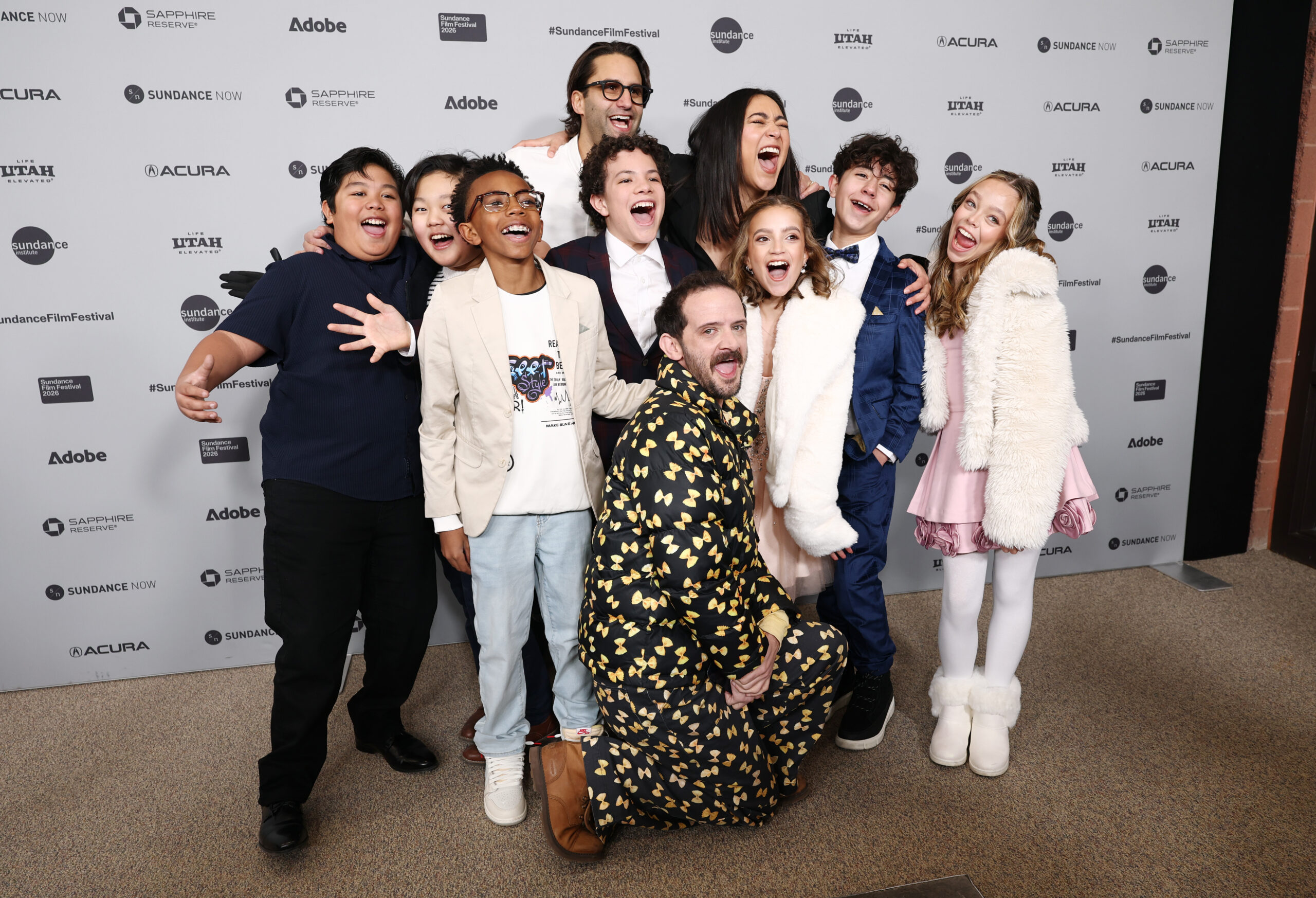
The Musical: Spite and Revenge at the 2026 Sundance Film Festival
Doug Leibowitz, a bitter and struggling middle school drama teacher played by Will Brill, orchestrates a revenge plot against his ex-girlfriend by having his students stage an original musical about 9/11 in Giselle Bonilla’s feature directorial debut, The Musical, which premiered on January 25, 2026, at the Eccles Theatre during the Sundance Film Festival’s U.S. Dramatic Competition.
The Anatomy of Petty Revenge on Screen
Who among us hasn’t fantasized about orchestrating the downfall of an irritating adversary? Most people stop well short of action. Doug Leibowitz does not. Played with a tightly wound, ready-to-snap energy by Will Brill, the awkward and unsuccessful playwright sits at the center of Giselle Bonilla’s dark comedy The Musical. As reported by Lucy Spicer on sundance.org, the film screened on January 25, 2026, at the Eccles Theatre as part of the Sundance Film Festival’s U.S. Dramatic Competition in Park City, Utah.

The plot hinges on a cascade of professional and romantic rejections. Doug is nursing an emotional wound after his girlfriend Abigail, played by Gillian Jacobs, breaks up with him. Abigail also works as the art teacher at the same middle school. Compounding his misery, Doug faces continuous rejections for theater fellowships that might otherwise provide a ticket to New York City. The final breaking point arrives when he discovers Abigail is dating the school’s ambitious and charismatic principal, Principal Brady, played by Rob Lowe. Principal Brady has his sights set on securing the Blue Ribbon of Academic Excellence for the institution, prompting Doug to hatch a tasteless sabotage plan involving a middle school stage production about 9/11.
Behind the Scenes of a High-Risk Production
Directing a feature film centered on such volatile subject matter demands a distinct kind of boldness. Bonilla, an alum of the Sundance Institute’s Ignite program, addressed the project’s provocative premise during the post-premiere Q&A. “I don’t know, look at the frickin’ world,” Bonilla stated on January 25, 2026, explaining that her neutral state is rage, but because people ignore her when she yells, making them laugh first serves as a useful alternative. Alexander Heller wrote the screenplay, which Bonilla credited for convincing her to take on the project.
Production logistics presented unique hurdles, particularly given the young cast. Bonilla noted during the Q&A that the crew shot scenes directly inside a school without the child actors knowing the true subject matter of the play within the film. “So we made sure that all the sets were very mobile and we could pack them up at each day’s end,” Bonilla said. To maintain the authenticity of the performances, the director deliberately avoided casting archetypal child actors. “I was extremely nervous about casting kids because I didn’t want it to feel like Disney kids,” Bonilla explained. “I wanted it to feel like real kids, and I wanted their personalities to shine through.”
The Cultural Currency of Spite in Contemporary Cinema
Even as Doug weaponizes a historical tragedy for personal vengeance, the narrative maintains surprising emotional resonance through the students. The young performers are told they are executing an important artistic statement, and they approach their guerrilla theater production with total dedication. Unaware of their teacher’s actual motivations, the students view the project as a fiery educator sticking it to institutional authority. As young actor Aidyn James Ahn observed during the Sundance panel, “I love this movie so much because nobody really talks about the power of, like, spite and rage.”

When high-concept independent cinema tackles polarizing subject matter, the commercial distribution and festival rollout require careful navigation. Studios and independent filmmakers frequently enlist specialized teams to manage public relations fallout and position provocative intellectual property for broader audiences. As indie films transition from festival ecosystems to theatrical and streaming platforms, managing brand equity and navigating potential copyright or sensitivity hurdles demands rigorous strategic oversight from experienced entertainment professionals.
*Disclaimer: The views and cultural analyses presented in this article are for informational and entertainment purposes only. Information regarding legal disputes or financial data is based on available public records.*