
‘The Long Walk‘ Film Delivers Shocking Ending, Subverting Source Material and Sparking Debate
Los Angeles, CA – The film adaptation of Stephen King’s The Long Walk has concluded with a dramatically altered ending that departs substantially from the novel, leaving audiences stunned and prompting discussion about its thematic implications. While the book sees Ray Garraty emerge as the sole survivor, haunted and endlessly walking, the film presents a far more vengeful conclusion, challenging conventional notions of hope and forgiveness in the face of systemic cruelty.
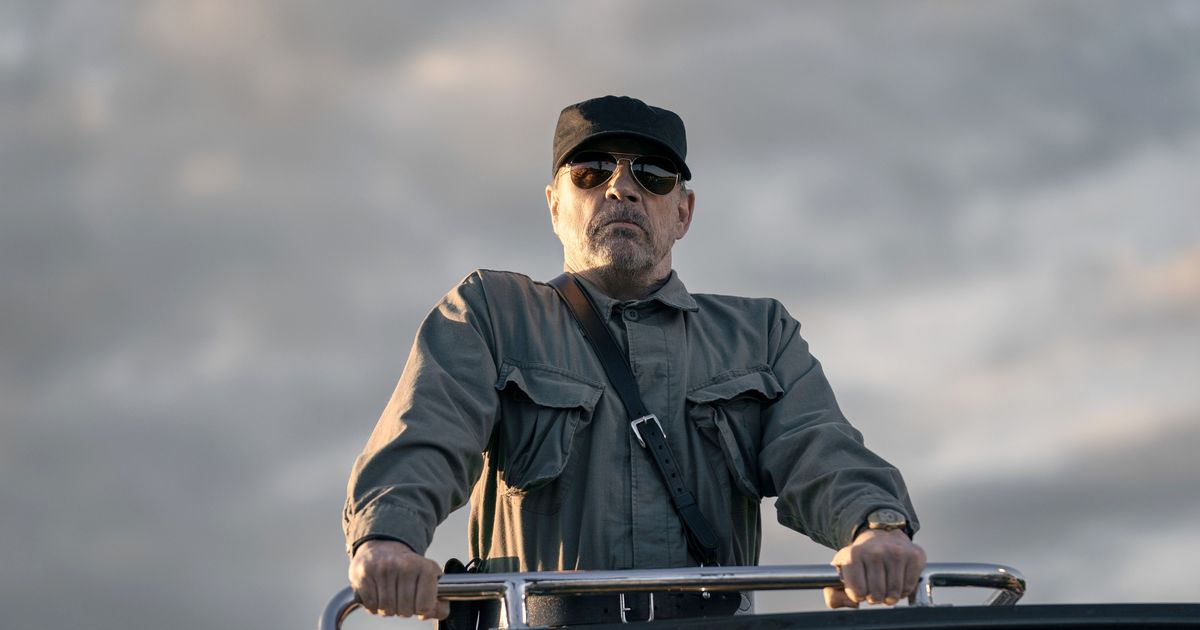
The film diverges most sharply in the final moments of the Walk. In the source material, Pete McCormick chooses to stop, sacrificing himself to allow Ray to continue. The film reverses this dynamic: Ray stops, professing his love for Pete before being executed. However, the true shock comes with Pete’s subsequent wish fulfillment. Instead of requesting a life of peace, as planned, Pete demands a carbine, instantly using it to kill the Major – the architect of the Long Walk - and then disappearing into the night. This reversal positions Pete as an agent of retribution, while ray ultimately chooses self-sacrifice to perhaps save his friend.
This bold shift initially appears to contradict the novel’s core theme of maintaining humanity in extreme circumstances.Though, according to a recent analysis by Vulture, the film ultimately arrives at a more complex message. The strong emotional bond between Ray and Pete is central to their survival, but the film argues that a purely hopeful or forgiving ending woudl feel disingenuous, particularly given the current socio-political climate.
The timing of the film’s release, coinciding with heightened debate surrounding political violence, is noteworthy, though the filmmakers have indicated they did not intend to directly engage with these conversations. Nevertheless, the ending reflects a “bleak yet honest” assessment of a world where systemic oppression can create monsters, and love alone is insufficient to overcome it.
As the film portrays, “There is a point at which…it is no longer possible to face suffering and oppression with dignity.” The ending is presented not as a validation of Pete’s earlier ideals of camaraderie, but as an acknowledgement of the limitations of simply “choosing love.” The film echoes a sentiment from the novel – “Everyone loses” the Long Walk – extending that loss to include those in power. Pete’s final act, while a betrayal of his initial principles, is framed as a necessary act of defiance, ensuring that if no one can truly win, the Major will not either.
