
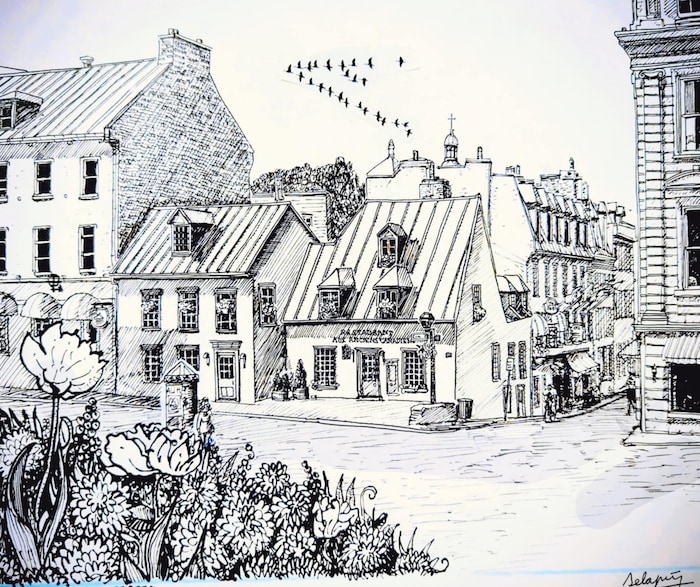
Remarkable Reunion: Artist Recovers Stolen Artwork After Four Decades
Table of Contents
Quebec City, Canada – In a stunning turn of events, artist Stéphane Delaprée has been reunited with artwork stolen from him in the early 1980s. The recovered collection, consisting of approximately fifteen drawings and thirty comic book boards, resurfaced unexpectedly thanks to the keen eye of a resident in Limoilou, Quebec.
The Theft and Decades of Uncertainty
During the early 1980s, Delaprée, a French-born artist who spent his formative years in Quebec, experienced a significant loss when a warehouse he rented in Basse-Ville de Québec was burglarized. Among the stolen items was a portfolio containing his original drawings and comic book artwork. For over four decades, the fate of these pieces remained unknown, leaving Delaprée with a lingering sense of loss.
Did You Know? Art theft is a global issue, with estimates suggesting that less than 10% of stolen artwork is ever recovered (Interpol, 2023).
An Unexpected Finding
In the summer of 2014, Christine Vachon, a resident of Limoilou, noticed an intriguing case near her buildingS garbage bins. Driven by curiosity, she retrieved the case, unaware that she was rescuing a trove of artistic treasures.Upon examining the contents, Vachon discovered the drawings and comic boards, depicting iconic Quebec City landmarks like the Dufferin Terrace, views from Lévis, and the historic Petit-Champlain district.
Recognizing the potential significance of the find, Vachon embarked on a quest to locate the artist. After online research revealed Delaprée’s past connection to Quebec and his current residence in Cambodia, she attempted to contact him through social media. However, her initial message went unnoticed, lost in the digital ether for three years.
A Miraculous Connection
Three years later,Delaprée stumbled upon Vachon’s message in his email spam folder. Overjoyed by the news, he connected with Vachon and arranged for the artwork to be returned through a mutual friend, sonia Ferland, a jeweler residing in quebec. The reunion, facilitated by Ferland, brought a sense of closure and elation to Delaprée.
“It made me feel like a return in time,” Delaprée commented, expressing his amazement at the unusual circumstances. “It’s amazing to see all of this.”
Pro Tip: Regularly check your email spam folder – you never know what crucial messages might be hidden there!
The Artwork and the Artist
Delaprée, who grew up in the Arthabaska regional municipality, has since evolved as an artist, now creating vibrant and joyful works inspired by Southeast Asia. The recovered drawings represent an early chapter in his artistic journey,offering a glimpse into his beginnings.
Vachon described the experience as “like finding Amélie Poulain’s little box,” referencing the heartwarming scene from the acclaimed French film. She expressed her delight in rekindling delaprée’s connection to his past work.
The mystery surrounding how the case ended up in the garbage remains unsolved. However, Vachon’s sensitivity and attentiveness played a crucial role in ensuring the artwork’s safe return.
Key Details of the Recovery
| Event | Date |
|---|---|
| original Theft | Early 1980s |
| Artwork Discovered | Summer 2014 |
| Artist Contacted | 2017 |
| Artwork Returned | Recent (2024) |
What role does serendipity play in preserving cultural heritage? And how can communities better protect and recover stolen artwork?
“Finding these originals, witnesses of my beginnings, is an immense emotion, an unexpected gift that only life knows how to offer. It gives faith in life,” Delaprée stated.
The enduring Power of Art and Recovery
this story highlights the enduring emotional connection artists have with their work. The recovery of stolen art, while rare, underscores the importance of vigilance, community involvement, and the potential for unexpected reunions. The case also speaks to the broader issue of art theft and the need for improved tracking and recovery systems. According to the Art Loss Register, a database of stolen art, the global market for illicit art is estimated to be worth billions of dollars annually (Art Loss Register, 2024).
Frequently Asked Questions
- What type of artwork was recovered? Approximately fifteen drawings and thirty original comic book boards depicting Quebec City landmarks.
- How long was the artwork missing? Over 40 years.
- Who discovered the artwork? Christine Vachon, a resident of Limoilou, Quebec.
- How was the artist located? Through online research and social media.
- Where is the artist currently living? In Cambodia.
- Is art theft a common occurrence? Yes, art theft is a global problem, though recovery rates are low.
- What can be done to prevent art theft? Enhanced security measures, detailed documentation, and registration with art loss databases are crucial.
This remarkable story serves as a testament to the power of hope, the kindness of strangers, and the enduring legacy of art.