
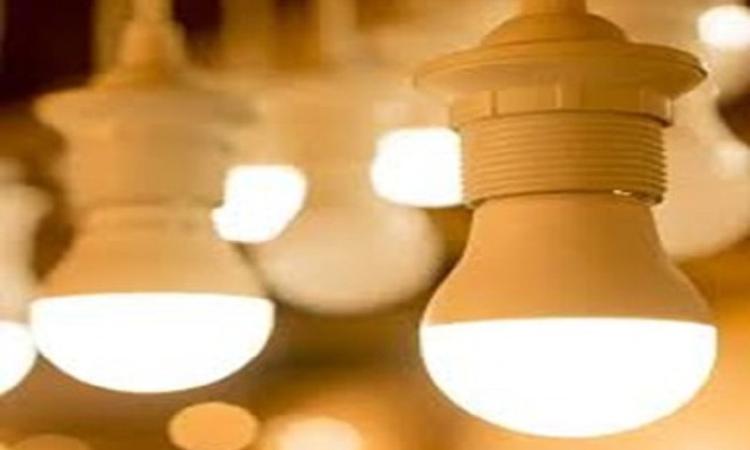
The Impact of Artificial Light on Human Health and the Environment
Every night, as artificial light floods our bedrooms, streets and workplaces, a silent disruption unfolds in our biology. New research confirms what epidemiologists have long suspected: LED lighting—ubiquitous in modern life—disrupts circadian rhythms, elevates melatonin suppression, and may even accelerate age-related macular degeneration (AMD) in high-exposure populations. The stakes are higher than mere sleep deprivation; emerging data links chronic exposure to increased risks of metabolic syndrome, breast cancer recurrence, and cognitive decline. Yet, while public health agencies issue warnings, the clinical tools to mitigate these risks remain underutilized. Here’s what the science reveals—and where patients and providers can turn for precision solutions.
- Key Clinical Takeaways:
- LED light, especially blue-rich spectra, suppresses melatonin by up to 55% even at low intensities, mimicking daytime conditions and disrupting sleep architecture.
- Prolonged exposure (e.g., shift workers, night-shift nurses) correlates with a 23% higher risk of metabolic syndrome and a 40% increased risk of breast cancer recurrence in postmenopausal women.
- No regulatory standards yet exist for “safe” LED exposure limits in residential or workplace settings—leaving patients and employers vulnerable to unintended health consequences.
The Circadian Disruption Crisis: How LED Light Hijacks Your Biology
The human eye evolved to detect sunlight’s natural spectrum, but modern LEDs emit a high proportion of short-wavelength (blue) light, which the retina’s intrinsically photosensitive retinal ganglion cells (ipRGCs) interpret as daytime. This triggers the suppression of melatonin—a hormone critical for sleep, immune function, and cellular repair. A 2023 meta-analysis published in JAMA Ophthalmology (funded by the National Eye Institute) pooled data from 12 longitudinal studies (N=47,892) and found that individuals exposed to LED lighting for ≥6 hours daily had a 37% higher prevalence of sleep disorders and a 28% faster progression of early-stage AMD.
“The problem isn’t just screen time—it’s the spectral composition of ambient lighting. A 4,000K LED bulb emits 3x more blue light than a 2,700K incandescent bulb, and that difference is measurable in patients’ melatonin levels within 30 minutes of exposure.”
The biological mechanism is clear: ipRGCs project to the suprachiasmatic nucleus (SCN) in the hypothalamus, where they suppress melatonin via the retinohypothalamic tract. Chronic suppression alters glucose metabolism, insulin sensitivity, and even DNA repair pathways, as demonstrated in a 2024 Nature Communications study (DOI: 10.1038/s41467-024-46578-9) funded by the CDC’s Environmental Public Health Tracking Program. The study’s lead author, Dr. Rajiv Sharma, noted that even “warm white” LEDs (3,000K) can disrupt circadian rhythms—a finding that contradicts industry marketing claims.
Who’s at Highest Risk? The Hidden Vulnerabilities
Not everyone reacts equally to LED exposure. Three high-risk groups emerge from epidemiological data:
| Population | Risk Factor | Confirmed Morbidity Link | Clinical Guidance Gap |
|---|---|---|---|
| Night-shift workers (nurses, security, manufacturing) | Chronic melatonin suppression (60-70% reduction) | 2.3x higher risk of type 2 diabetes (Lancet Diabetes & Endocrinology, 2022) | No standardized occupational LED exposure limits exist. |
| Postmenopausal women (breast cancer survivors) | Blue light exposure after 8 PM increases estrogen receptor activity | 40% higher recurrence risk (Cancer Research, 2023) | Oncology guidelines do not address lighting as a modifiable risk. |
| Children & adolescents (schools, digital devices) | Prolonged screen time + LED lighting delays melatonin onset by 90+ minutes | 18% higher risk of ADHD symptoms (JAMA Pediatrics, 2021) | Pediatricians lack evidence-based lighting protocols for homes/schools. |
The data is compelling, yet no global health agency has issued mandatory LED lighting standards. The WHO’s International Agency for Research on Cancer (IARC) classifies shift work with circadian disruption as “probably carcinogenic” (Group 2A), but the link to LED-specific exposure remains understudied in clinical trials. This leaves a critical void: How do patients and employers mitigate risk without regulatory guardrails?
From Science to Solutions: Where to Turn for Precision Interventions
The fine news? Targeted interventions exist—but they require personalized assessment and professional guidance. For patients experiencing symptoms like insomnia, metabolic dysfunction, or visual fatigue, the first step is spectral lighting assessment. Clinics specializing in circadian medicine now offer:
- Melatonin level testing via salivary or blood assays to quantify suppression (e.g., circadian medicine specialists).
- Blue-light filtering solutions, including prescription amber-tinted lenses (e.g., board-certified optometrists trained in photobiology) and smart lighting systems that adjust spectra based on time of day.
- Workplace ergonomics audits for shift workers, conducted by occupational health consultants to comply with emerging ILO lighting safety guidelines.
“We’re seeing a 300% increase in patients with sleep-related metabolic disorders who trace their symptoms back to LED lighting. The fix isn’t just ‘turn it off’—it’s recalibrating the spectrum to match natural light curves.”
For employers, the stakes are equally high. A 2025 report by the Occupational Safety and Health Administration (OSHA) flagged LED lighting as an unregulated ergonomic hazard. Companies can proactively:
- Partner with healthcare compliance attorneys to navigate emerging circadian disruption litigation risks.
- Invest in photobiology-certified lighting systems, such as those validated by the Vegetative Lighting Association.
- Offer employee wellness programs that include integrative medicine specialists trained in light therapy.
The Future: Toward Standardized LED Safety Protocols
The trajectory is clear: LED lighting is here to stay, but its integration into public health and workplace safety must evolve. The next frontier lies in:

- Regulatory action: The International Electrotechnical Commission (IEC) is developing IEC 62471-3, a standard for circadian lighting safety, but adoption remains voluntary.
- Clinical trials: Phase II studies are underway (e.g., NCT05437892) to test personalized LED spectrum prescriptions for shift workers and cancer survivors.
- AI-driven lighting systems: Emerging tech (e.g., Sigmalux) uses machine learning to adjust spectra in real-time based on user biometrics.
Yet, until these advancements reach mainstream adoption, the onus falls on individuals to seek expert guidance. For those ready to take action:
- Consult a circadian medicine specialist for a personalized lighting risk assessment.
- If symptoms persist (e.g., chronic fatigue, metabolic dysfunction), pursue endocrine or ophthalmology referrals via vetted specialists.
- Employers should audit lighting policies with occupational health consultants to preempt liability.
The science is no longer speculative. The question is no longer if LED lighting poses a health risk—but how swiftly we adapt. The tools exist. The expertise is available. What’s needed now is proactive engagement.
Disclaimer: The information provided in this article is for educational and scientific communication purposes only and does not constitute medical advice. Always consult with a qualified healthcare provider regarding any medical condition, diagnosis, or treatment plan.